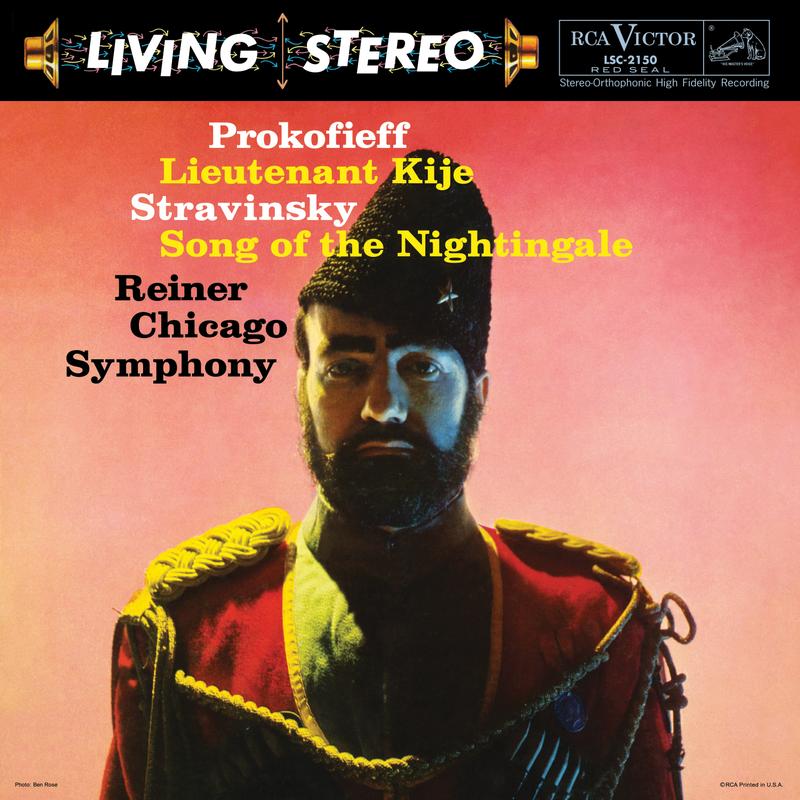
Prokofiev: Lieutenant Kijé / Stravinsky: Song of the Nightingale
An officer who never existed. A bird whose song cannot be replaced by clockwork. These two Living Stereo performances bring together stories of deception, told through very different orchestral imaginations. Fritz Reiner and the Chicago Symphony Orchestra pair Prokofiev’s Lieutenant Kijé with Stravinsky’s Song of the Nightingale. The scale of the orchestra is one attraction; following the individual characters within it is another, and a particularly rewarding way into this programme.

An imaginary biography and two kinds of song
Lieutenant Kijé develops its joke beyond the initial clerical mistake. Five movements supply the imaginary man with a life: birth, romance, wedding, troika and burial. The score invents emotions for somebody who exists only on paper, with tenor saxophone among its distinctive colours. Expecting only the familiar sleigh ride misses the quieter absurdity surrounding it.
Stravinsky’s contrast between the living and artificial bird works differently. Song of the Nightingale comes from an opera, but there are no singers on this record. The orchestra must convey what is alive, mechanical or courtly display. Its resources include piano, celesta and two harps: instruments capable of sharply defined events as well as contributing to a larger orchestral picture.
That gives the pairing a connection beyond spectacular sound. Instrumental colour carries narrative responsibility; the melody cannot be separated from the voice assigned to it. Moving from Prokofiev’s grotesque military world to Stravinsky’s fairy tale becomes part of the attraction. A machine may imitate a song, but the story asks what that imitation still cannot replace.

The nightingale before the record
Stravinsky’s contribution is an orchestral work, not a recording of the opera. Completed in 1917, the symphonic poem draws on the later acts of Le Rossignol. Behind it lies Andersen’s contrast between a living nightingale and a mechanical imitation. The changing instrumental colours invite attention to the difference between fluid song and sharply defined figures, rather than treating every bright orchestral gesture as spectacle alone.
The work also reached the ballet stage. The Balanchine Foundation records a 1925 production with designs by Henri Matisse. That theatrical connection offers a useful way of thinking about this entire pairing: music associated with a story or moving images becomes a complete experience without a visible stage. The orchestra carries the changes of scene.
About this pressing
Analogue Productions · RCA Living Stereo · AAPC 2150-45
Two 180-gram LPs, cut for 45 RPM and pressed at Quality Record Pressings (QRP). Acoustic Sounds identifies the original three-track tapes as the source.
Prokofiev occupies the first record. Song of the Nightingale is divided between the two sides of the second, so the side change forms part of the practical listening experience with this edition.
Also on SACD: Prokofiev: Lieutenant Kije / Stravinsky: Song of the Nightingale
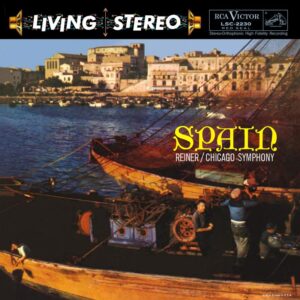
More by Fritz Reiner: Spain · Tchaikovsky: 1812 Overture
Artist page: All titles by Fritz Reiner
Customer question: Buying Analogue Productions records in Europe
Series: RCA Living Stereo – all 25 titles, conductors and soloists
Musicians
Documented selection of participating musicians. Personnel may vary by track; this list does not claim to be complete.
- Fritz ReinerConductor
- Chicago Symphony OrchestraOrchestra


Reviews
There are no reviews yet.