Willie Nelson finds his own direction
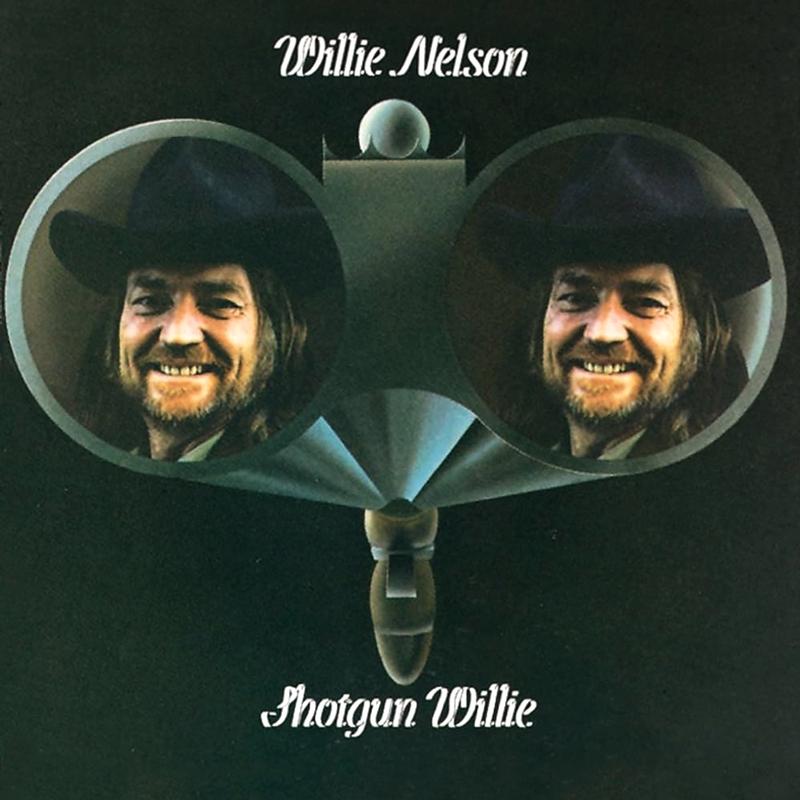
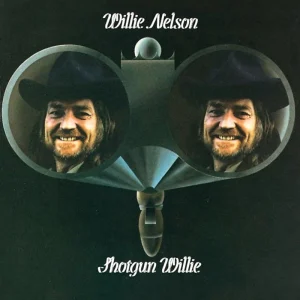
Released in 1973, Shotgun Willie belongs to a turning point in Willie Nelson’s career. He had left RCA, moved to Austin and found a new recording home at Atlantic. Jerry Wexler offered room for country to coexist with blues, soul and western swing. The later worldwide success was still ahead; this album captures an artist reshaping the musical world around him.
The main sessions took place at Atlantic Studios in New York in February 1973, with additional recording in Nashville and Memphis. Arif Mardin, Jerry Wexler and David Briggs contributed to the production. Nelson’s own musicians met guests from several musical circles, a breadth reflected in the album’s extensive personnel credits.

The Family and its guests
Bobbie Nelson travelled to New York for the sessions. The pianist and Willie’s older sister later remembered this as her first recording with her brother; she subsequently became a lasting member of his Family. Bassist Bee Spears, drummer Paul English and Jimmy Day on dobro and pedal steel were other close companions in this evolving musical life.
The guests bring their own histories. The Memphis Horns appear on the title track, while David Bromberg plays electric guitar on “Whiskey River”. “Stay All Night (Stay A Little Longer)” brings together Doug Sahm, Waylon Jennings, Jessi Colter and Johnny Gimble, among others. The changing line-ups show how openly Nelson approached each song during these sessions.

Twelve songs of change and continuity
Written by Johnny Bush and Paul Stroud, “Whiskey River” would become a familiar opening song at Nelson’s concerts. Here it belongs to a new studio sequence alongside his own “Sad Songs And Waltzes” and “Local Memory”. Two songs associated with Bob Wills retain the connection to western swing. Nelson’s new direction grows from music he had already lived with for years.
Leon Russell’s “A Song For You” closes the record with Nelson alone on acoustic guitar. After the varied ensembles of the preceding tracks, the ending returns to the direct relationship between voice and song. That movement from shared music-making to an individual address gives the complete album a particularly appealing shape.
The Atlantic 75 double LP
Analogue Productions’ AAPA 045-45 presents the twelve original tracks on two 180-gram LPs running at 45 RPM. Ryan K. Smith handled mastering and lacquer cutting at Sterling Sound, and the label identifies the original master tape as the source. The two-pocket tip-on gatefold jacket is manufactured by Stoughton Printing.
The first 2,000 copies follow the series policy of numbering and pressing at Quality Record Pressings; subsequent unnumbered copies may be pressed at QRP or RTI. At the heart of this edition is Nelson’s growing artistic freedom, expressed through his choice of songs, trusted companions and willingness to welcome new players into the room.
You order from Michael 45 in Germany. We arrange the US import and dispatch from Hilden.
More from the series: Atlantic 75 Series
Also on SACD: Shotgun Willie
More by Willie Nelson: And Then I Wrote
Customer questions: Atlantic 75: which titles are worth buying? · Buying Analogue Productions records in Europe
Series: Atlantic 75 Series – all 75 albums, time journey and the people behind Atlantic
Musicians
Participants and documented credit status. Track references correspond to the tracklist.
- Willie Nelsonlead vocals, lead acoustic guitarParticipation: Album personnel
- Bobbie NelsonpianoParticipation: A1, A2, A3, B1, B2, C1, C2, D1, D2
- Bee SpearsbassParticipation: A1, A2, A3, B1, B2, B3, D1, D2
- Paul EnglishdrumsParticipation: A1, A2, A3, B1, B2, B3, D1, D2
- Jimmy DayDobro (A1), pedal steel guitar (A2–D2), backing vocals (B3)Participation: A1, A2, A3, B1, B2, B3, C1, C2, C3, D1, D2
- Steve Burghlead electric guitar (A1), acoustic guitar (B2, C1, D2), electric guitar (C2)Participation: A1, B2, C1, C2, D2
- Jeff Gutcheonelectric piano (A1), organ (A2, A3)Participation: A1, A2, A3
- Steve Mosleysnare drum (A1), drums (C1, C2)Participation: A1, C1, C2
- Hugh McDonaldbassParticipation: C1, C2
- Wayne JacksontrumpetParticipation: A1
- Andrew Lovetenor saxophoneParticipation: A1
- Jack Hale Sr.tromboneParticipation: A1
- James Mitchellbaritone saxophoneParticipation: A1
- David Brombergelectric guitarParticipation: A2
- Dee Moellerbacking vocalsParticipation: A2, B3, C1
- Larry Gatlinbacking vocals (A2, B3, C1), acoustic guitar (C2)Participation: A2, B3, C1, C2
- Doug Sahmelectric guitar (B3, C1), backing vocals (B3)Participation: B3, C1
- Augie Meyersacoustic guitar (B3), backing vocals (B3), piano (C3)Participation: B3, C3
- Waylon Jenningsacoustic guitar, second acoustic guitar solo, backing vocalsParticipation: B3
- Jessi Colterbacking vocalsParticipation: B3
- Johnny GimblefiddleParticipation: B3, C3
- Red Laneacoustic guitarParticipation: C3
- Willie Bridgesbaritone saxophoneParticipation: C3
- Jack BarberbassParticipation: C3
- George RainsdrumsParticipation: C3


Personnel per original jacket: Willie Nelson (vocals, acoustic guitar; D3 solo) · Bobbie Nelson (piano; A1–B2, C1, C2, D1, D2) · Bee Spears (bass; A1–B3, D1, D2) · Paul English (drums; A1–B3, D1, D2) · Jimmy Day (Dobro A1; pedal steel A2–D2) · Steve Burgh (guitar; A1, B2, C1, C2, D2) · Jeff Gutcheon (electric piano A1; organ A2, A3) · Steve Mosley (snare A1; drums C1, C2) · Hugh McDonald (bass; C1, C2) · The Memphis Horns: Wayne Jackson (trumpet), Andrew Love (tenor saxophone), Jack Hale Sr. (trombone), James Mitchell (baritone saxophone) (A1) · David Bromberg (electric guitar; A2) · Dee Moeller, Larry Gatlin (backing vocals; A2, B3, C1; Gatlin acoustic guitar C2) · Doug Sahm (electric guitar, vocals; B3) · Waylon Jennings (acoustic guitar, guitar solo, vocals; B3) · Jessi Colter (vocals; B3) · Augie Meyers (acoustic guitar, vocals B3; piano C3) · Johnny Gimble (fiddle; B3, C3) · Red Lane (acoustic guitar), Willie Bridges (baritone saxophone), Jack Barber (bass), George Rains (drums) (C3). String arrangements: Arif Mardin (B2), Donny Hathaway (D2). Guitar roles on B2, C1, C2 vary between sources. Produced by Arif Mardin; Jerry Wexler (B3, C3); David Briggs (Nashville). Recorded by Gene Paul (Atlantic Studios, New York), Stan Hutto and Steve Ham (Quadrafonic, Nashville), Knox Phillips (Sam Phillips Recording Studio, Memphis). This edition: mastered and cut by Ryan K. Smith at Sterling Sound; Pressing: first 2,000 numbered copies QRP; later unnumbered copies QRP or RTI.

Reviews
There are no reviews yet.