A debut four years in the making
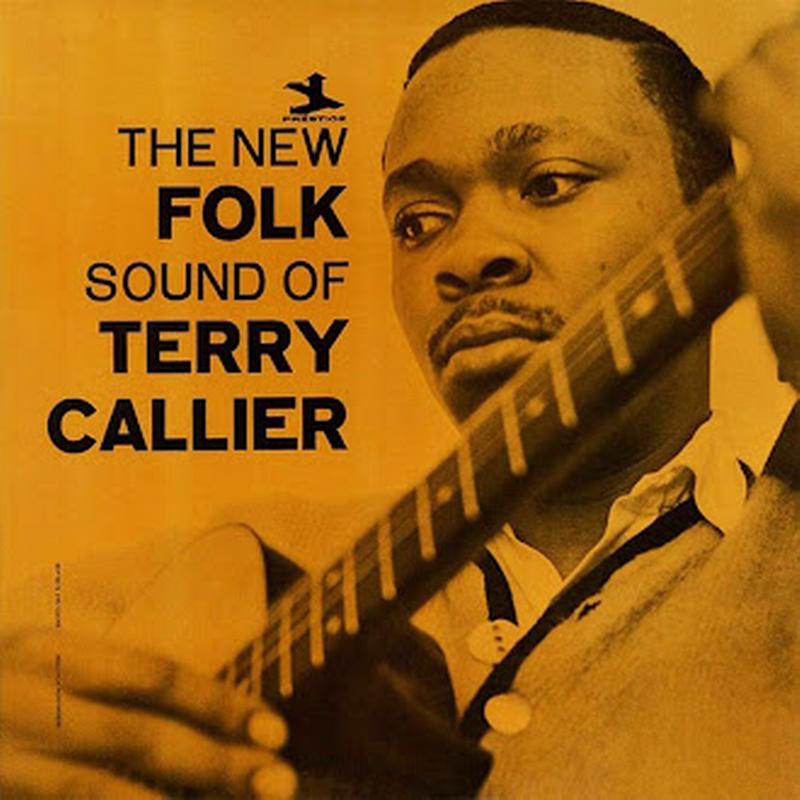
Terry Callier was nineteen when he recorded his debut album at Webb Recording in Chicago on July 29, 1964. It was not released until 1968. That delay gives The New Folk Sound of Terry Callier a particular historical perspective: by the time it appeared, the recording already represented an earlier moment in the life of a young singer whose career would cross folk, soul and jazz.
Samuel Charters produced the album. It was recorded in a single day, using an unusually spare line-up: Callier sings and plays guitar, while Terbour Attenborough and John Tweedle both play double bass. There are two basses, but no drums or piano. The “New” in the title can therefore begin with something quite concrete: an unfamiliar instrumental arrangement through which to approach a largely familiar body of songs.

Familiar songs, a different configuration
Side one contains “900 Miles,” “Oh Dear, What Can the Matter Be,” “Johnny Be Gay If You Can Be” and “Cotton Eyed Joe.” Traditional material consequently forms a substantial part of the programme. The second side includes “It’s About Time” and “Spin, Spin, Spin.” These are not eight Callier originals; his selection and treatment of existing songs are central to the record’s identity.
Familiar melodies can make it easier to direct your attention towards the accompaniment. Where does the guitar reinforce the singing, and when do the lower instruments establish independent movement? Two double basses need not perform the same function. Try following the low foundation first, then look for activity above it. The line-up becomes more than an unusual entry in the credits: it offers a practical listening route through the arrangements and the space they leave around the voice.

“I’m a Drifter” takes the long way home
The album closes with Travis Edmonson’s “I’m a Drifter.” At almost nine minutes, it is considerably longer than any of the other selections. That duration allows the relationship between singing, song structure and accompaniment to unfold over a larger span. It is worth hearing the piece as the destination of the whole second side, rather than treating it simply as an unusually long standalone track.
Callier grew up in Chicago and had recorded for Chess before this session. His later work with producer Charles Stepney yielded the Cadet albums Occasional Rain, What Color Is Love and I Just Can’t Help Myself. This debut precedes those records. It documents his work with a small acoustic ensemble and a repertoire drawn largely from other writers and traditional sources. If you came to Callier through the later soul recordings, it provides an earlier and distinct setting in which to encounter his voice.
The Bluesville vinyl edition
ACONC 844 / CR00844 is a 180-gram LP playing at 33⅓ RPM, pressed at Quality Record Pressings. Matthew Lutthans mastered it at The Mastering Lab, with Craft Recordings identifying the original tapes as the source. Packaging comprises a tip-on jacket and an obi with notes by Scott Billington. The eight selections reproduce the original album programme. The two historical dates describe different stages of its story: recorded in 1964, first released as an album in 1968.
Michael 45 holds the goods in Germany and dispatches from Hilden, removing the need for German and EU buyers to organise a private US import or wait for customs processing.
More from Analogue Productions
Musicians
Documented selection of participating musicians. Personnel may vary by track; this list does not claim to be complete.
| Name | Instrument / role |
|---|---|
| Terry Callier | Vocals, Guitar |
| Terbour Attenborough | Double bass |
| John Tweedle | Double bass |
🎧 Review video: 15 Amazing New Reissues you might want in your Collection
This video is hosted by YouTube (Google). It only loads once you switch on “Functional” in the cookie settings.

Reviews
There are no reviews yet.