
The night begins at the piano
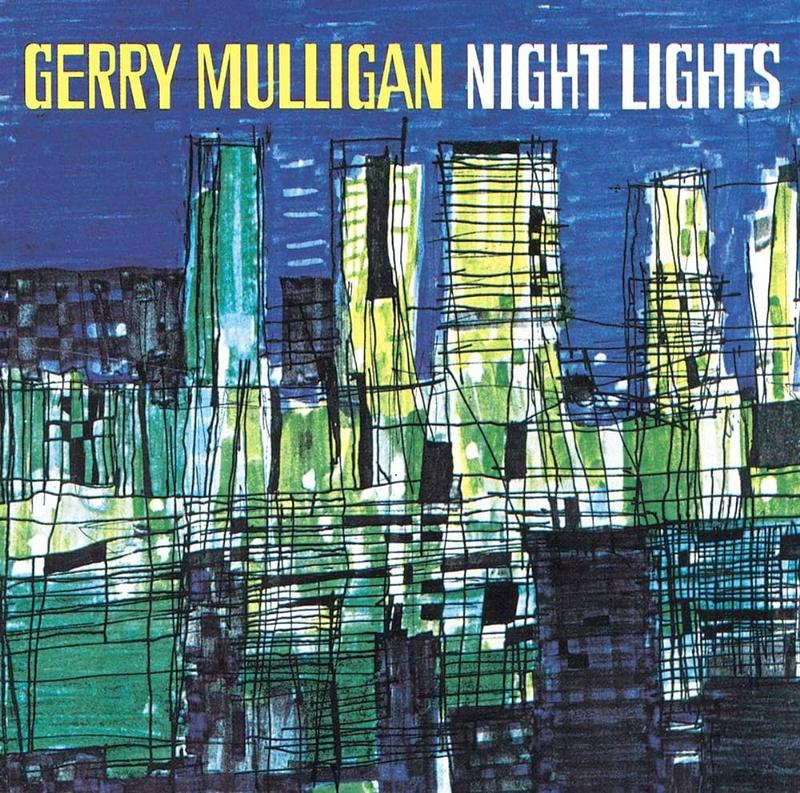
A Gerry Mulligan album that begins with Mulligan at the piano: the title piece of Night Lights immediately invites closer attention. He switches to baritone saxophone for the remaining five selections. Recorded in 1963 at New York’s Nola Penthouse Studios, the album brings together Art Farmer, Bob Brookmeyer, Jim Hall, Bill Crow and Dave Bailey. Hal Mooney supervised the recording, with Tommy Nola engineering.
It is an opportunity to focus on six musicians bringing distinct colors to a compact ensemble. Piano or baritone, flugelhorn and trumpet, valve trombone, guitar, bass and drums offer many ways of supporting a melody. The leader’s move from piano to saxophone is an explicitly documented feature of the personnel.

Farmer, Brookmeyer and Hall as individual voices
Art Farmer plays flugelhorn and trumpet, Bob Brookmeyer valve trombone and Jim Hall guitar. These instruments supply different registers and different ways of shaping a note. Bill Crow’s double bass and Dave Bailey’s drums complete the group. All six musicians are documented for the programme; the course of individual solos is something to discover by listening rather than infer from general album credits.
For a quiet evening, following one part at a time offers a rewarding approach. Listen first to the guitar, then to the bass, then to the relationship between the horns. A familiar theme can appear different on each visit. The pleasure lies in recognizing the musicians and noticing the small decisions through which they make room for one another.

From Brazil to Chopin
The six selections draw on different musical settings. Morning Of The Carnival brings Luiz Bonfá’s melody from Black Orpheus into the programme, alongside a Chopin prelude. Mulligan’s own compositions and standards such as In The Wee Small Hours Of The Morning complete the selection. Familiar material meets the particular character of this sextet.
The title Night Lights suggests an atmosphere, but the real exploration happens in the music. How does the group reshape a melody the listener already knows? What changes when Mulligan moves from piano to baritone? Hearing both sides as a continuous programme, then returning to the moments that raised a question, is a satisfying way to become acquainted with the record.
Night Lights in the Acoustic Sounds Series
This Philips Acoustic Sounds Series edition was released in 2024 as a stereo 180-gram LP running at 33⅓ RPM. Ryan K. Smith cut it at Sterling Sound, with the label identifying original analog tapes as the source. Quality Record Pressings manufactured the record. The presentation includes a Stoughton tip-on gatefold and an insert.
The recording itself dates from 1963. Sources differ over the precise session days, so no single date is presented here as conclusively established. The musical centre is clear: Mulligan’s sextet at Nola Penthouse Studios. This carefully documented edition offers an invitation to spend time with those six musicians and discover an album through its individual details.
You order from Michael 45 in Germany. We arrange the US import and dispatch from Hilden.
More from Analogue Productions
Musicians
Participants and documented credit status. Track references correspond to the tracklist.
- Gerry Mulliganpiano, baritone saxophone, arrangementParticipation: Piano: A1 · baritone: A2–B3
- Art Farmerflugelhorn, trumpetParticipation: Album personnel
- Bob Brookmeyervalve tromboneParticipation: Album personnel
- Jim HallguitarParticipation: Album personnel
- Bill Crowdouble bassParticipation: Album personnel
- Dave BaileydrumsParticipation: Album personnel


Gerry Mulligan: piano on Night Lights (A1), baritone saxophone on A2–B3. Sextet personnel throughout the six tracks. Produced by Hal Mooney; engineered by Tommy Nola.

Reviews
There are no reviews yet.