Four musicians. No passengers.
The excitement of Live at Leeds is not simply its force. It is the sense that any player could pull the others in a new direction at any moment. The songs have a shape, but very little within that shape feels comfortable.
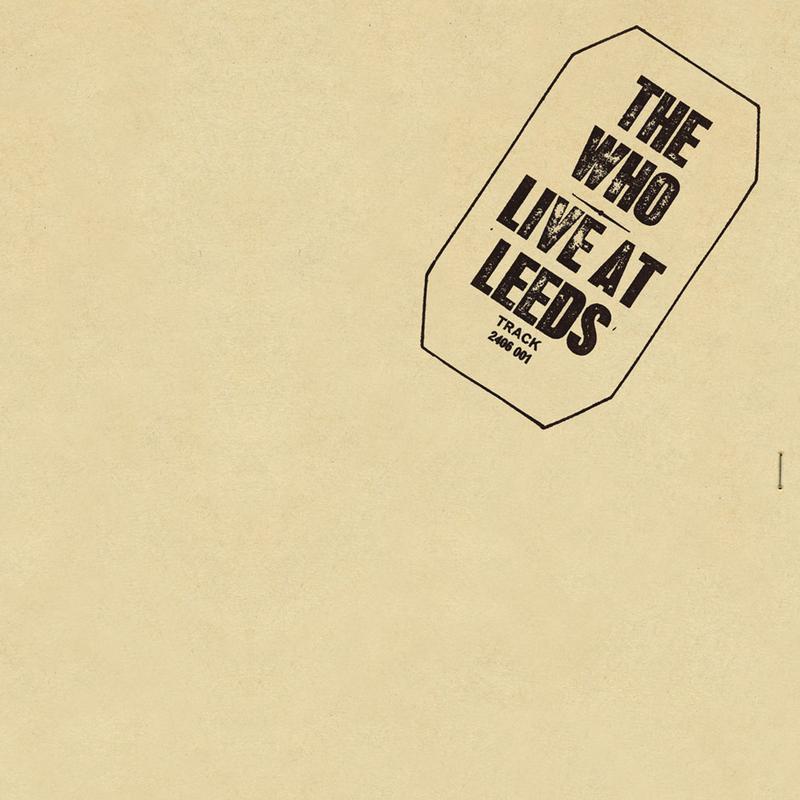
On 14 February 1970, The Who play Leeds University. Tommy has widened their horizons; on stage there are still just Daltrey, Townshend, Entwistle and Moon. No extra band member cushions what happens between them. Four independent voices create the tension, even when nobody is singing.

How far can a song travel?
“Young Man Blues”, originally by Mose Allison, becomes an exchange of attack and interruption. The pauses matter as much as the eruptions: they reveal how closely the players must respond to one another.
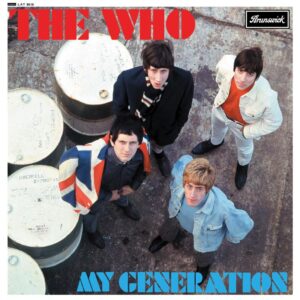
The extended “My Generation” opens the familiar song into a much larger space. An idea is suggested, taken up and driven onwards. “Magic Bus” uses persistence instead: repetition is not inertia, but the gradual building of a tension you can almost feel physically.

Leeds was not the only night on tape
The Who played Leeds on 14 February 1970 and Hull the following evening. Both concerts were recorded. Leeds becoming the celebrated album is therefore not simply a verdict that one performance was better. Part of the Hull recording lacked a bass track; passages were later repaired using bass material from Leeds for its eventual release. Behind the apparently straightforward live legend sits a practical history of recording tapes and technical limitations.
This edition follows the original six-track album. It is neither the complete concert nor the later expansion incorporating the Tommy performance. That selection has a particular dramatic shape: “Young Man Blues”, “Substitute”, “Summertime Blues” and “Shakin’ All Over” lead to the extended “My Generation”, with “Magic Bus” closing the record. Different editions of a familiar live title can consequently present quite different versions of the evening.
What matters within these six selections is the transformation of the material. A song title identifies the starting point, not necessarily the eventual scale of the performance. The studio running time of “My Generation” is little preparation for its life on stage. This original programme offers a deliberately limited selection, and that concentration gives it a distinct portrait of the 1970 band.
About this pressing
Analogue Productions · 2 LPs · 180-gram vinyl · 45 RPM. Mastered from the original analog master tapes by Chris Bellman at Bernie Grundman Mastering. Pressed at Quality Record Pressings (QRP). Stoughton Printing tip-on gatefold jacket.
Also on SACD: Live At Leeds
Listening comparison: Live at Leeds at 45 RPM against the UK and German first pressings
More by The Who: Tommy
Artist page: All titles by The Who
Customer question: The Who on Analogue Productions: which edition?
Musicians
Documented selection of participating musicians. Personnel may vary by track; this list does not claim to be complete.
- Roger DaltreyLead vocals, Harmonica
- Pete TownshendLead vocals, Guitar
- John EntwistleLead vocals, Bass
- Keith MoonBacking vocals, Drums


How Michael hears this edition
Listening impression · paraphrased from the video
Michael hears greater soundstage depth in the Analogue Productions edition than in the first pressings compared. The gap is smaller than in his “My Generation” comparison, and he regards the British first pressing as a strong competitor.
🎧 Review video: The Who at 45 RPM vs First Pressings – How Big Is the Difference?
This video is hosted by YouTube (Google). It only loads once you switch on “Functional” in the cookie settings.

Reviews
There are no reviews yet.