
Three compositions make an album
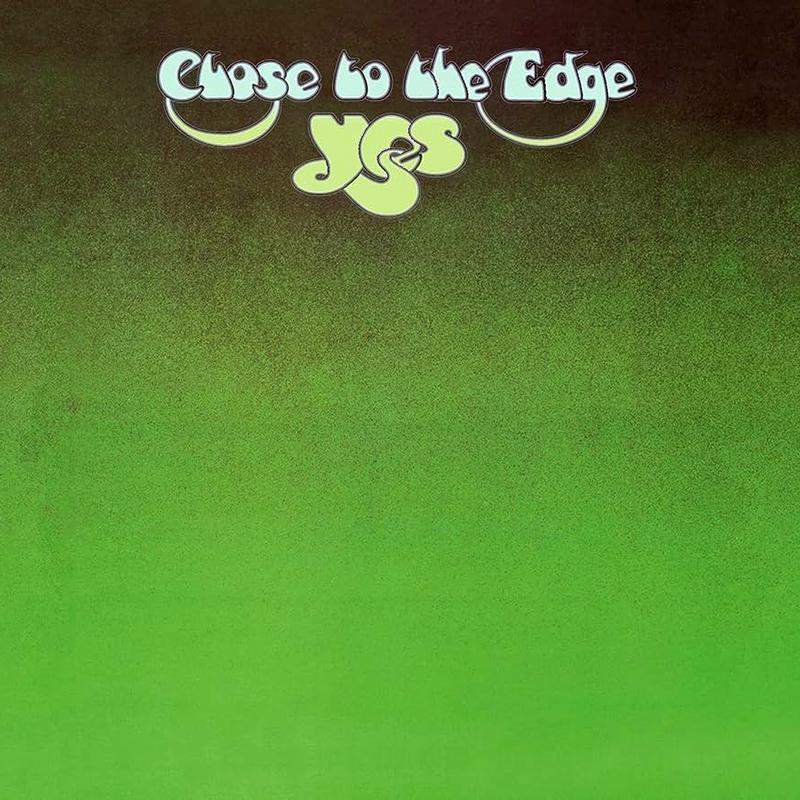
Close to the Edge contains just three compositions. In 1972 the title piece occupied an entire LP side, with “And You and I” and “Siberian Khatru” on the other. Jon Anderson, Steve Howe, Chris Squire, Rick Wakeman and Bill Bruford worked with Eddy Offord at London’s Advision Studios. The extended forms grew through many smaller decisions about transitions, instrumentation and recurring material.
The title composition in particular was developed in sections and assembled on tape. That method offers a useful way of understanding its changing states. A long piece need not originate as one uninterrupted performance. Here, working with tape forms part of the way Yes create musical relationships across an extended duration.

A church organ enters the recording
Wakeman’s pipe-organ contribution to the title track was recorded at St Giles-without-Cripplegate in London. The instrument really was in a church, and its recording subsequently had to be incorporated into the piece. Alongside electronic keyboards and piano comes an instrument with its own physical space and acoustic character.
At the transition to the organ, listen for changes beyond the instrumental colour. How are voice, dynamics and the sense of time organised around its entrance? This passage offers a concrete reason to hear instrumentation as part of musical form. Introducing an instrument can alter the weight of an entire section, as well as supplying a different sound.

Guitars, voices and a departure
Steve Howe’s instruments include guitars and pedal steel, while Wakeman’s keyboards include Mellotron and Minimoog. “And You and I” and “Siberian Khatru” provide different settings for these combinations. Chris Squire’s bass and the supporting voices are as much part of those arrangements as the immediately conspicuous solo instruments.
After the sessions, Bill Bruford left Yes for King Crimson. Alan White took over for the tour that followed. The record therefore captures one line-up at its endpoint, while the music’s subsequent life on stage involved a different drummer. Recording history and touring history take distinct paths at this moment in the band’s career.
Turning over during the title suite
For AAPA 044-45, Analogue Productions credits Kevin Gray at Cohearent Audio and a flat stereo copy of the original analogue master tape. The edition comprises two 180-gram LPs at 45 RPM, pressed at QRP and housed in a Stoughton tip-on gatefold. The title suite is divided across the first two sides: a turn is required between “Total Mass Retain” and “I Get Up, I Get Down”. “And You and I” and “Siberian Khatru” each occupy a side of their own.
Michael 45 holds the edition in Germany and dispatches it from Hilden, so customers in Germany and the EU can order without organising their own US import or waiting for customs clearance.
More from the series: Atlantic 75 Series
Also on SACD: Close To The Edge
More by Yes: Fragile · The Yes Album
Artist page: All titles by Yes
Customer questions: Atlantic 75: which titles are worth buying? · Buying Analogue Productions records in Europe
Series: Atlantic 75 Series – all 75 albums, time journey and the people behind Atlantic
Musicians
Documented selection of participating musicians. Personnel may vary by track; this list does not claim to be complete.
| Name | Instrument / role |
|---|---|
| Jon Anderson | Lead vocals |
| Steve Howe | Pedal steel guitar, Acoustic guitar, Backing vocals, Sitar |
| Chris Squire | Backing vocals, Electric bass |
| Rick Wakeman | Electric piano, Harpsichord, Synthesizer, Mellotron, Minimoog, Organ |
| Bill Bruford | Percussion, Drums |
How Michael hears this edition
Listening impression · paraphrased from the video
Michael describes more air, space and audible information on the Atlantic 75 edition. He finds the long title track particularly benefits from the 45 RPM presentation. This passage does not contain a direct comparison with an identified first pressing.

Reviews
There are no reviews yet.