A cowshed becomes an instrument
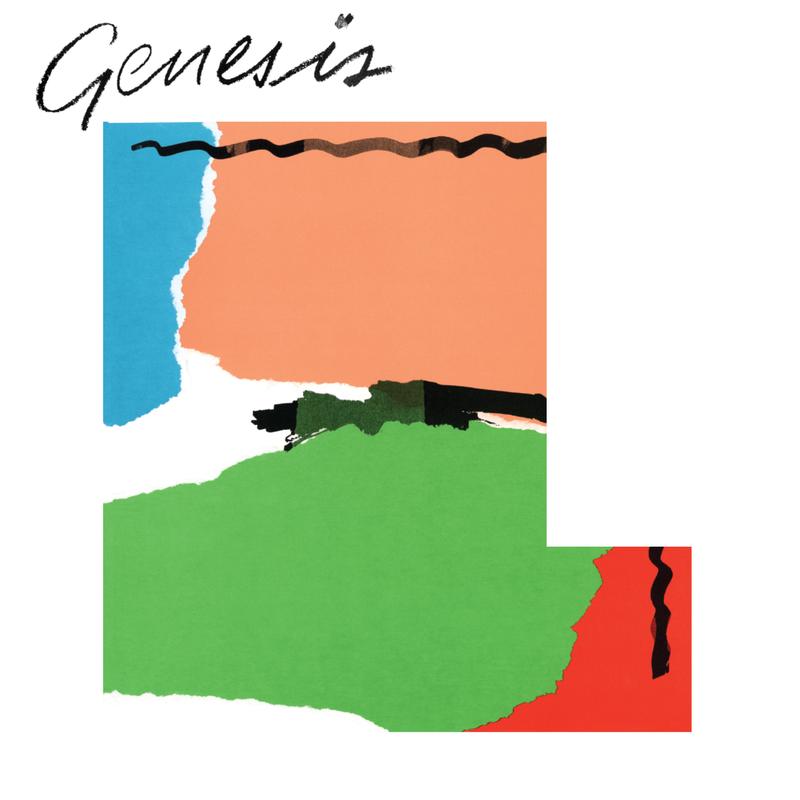
Before making Abacab, Genesis acquired a workplace of their own. In late 1980 the band bought The Farm in Surrey and converted a former cowshed into a studio. By the time the album took shape in 1981, Phil Collins, Tony Banks and Mike Rutherford no longer had to fit their ideas into booked studio days. They could develop material, discard it and begin again. They used that freedom to challenge familiar habits.
Genesis produced the record themselves, with Hugh Padgham engineering. The small control room and its new equipment belong to the story of this fresh start. A contemporary studio report describes an Amek console and a Studer A80 tape machine. An agricultural building had become a permanent musical workshop.

Giving the drums room
Collins and Padgham had previously worked together on Peter Gabriel’s recordings. Their experiments there with room sound and abruptly curtailed reverberation helped shape the possibilities they brought into the new studio. On Abacab, drum patterns and rhythmic repetitions carry considerable weight. Banks more often lets his keyboards make individual gestures rather than filling every opening with chords.
The title track is a useful place to begin: follow the space that guitar, keyboards and drums leave for one another. Its name came from an intermediate ordering of the song’s sections, an arrangement that had changed again by the finished version. Even the title retains a trace of the work in progress.

Keeping the doors open
“No Reply at All” brings the Phenix Horns, closely associated with Earth, Wind & Fire, into the Genesis studio. Tom Tom 84 supplies the horn arrangement. Those accents sit alongside the angular “Keep It Dark” and the extended “Dodo/Lurker”. This is not yet a single new stylistic formula: the band explores several directions at once.
The album’s boundaries tell a similar story. “Paperlate”, “You Might Recall” and “Me and Virgil”, from the same working period, appeared on 3×3 in 1982. Hearing Abacab as a moment of reorientation means hearing a deliberate selection from a larger body of material, rather than a neatly closed chapter.
Four sides for a fresh start
AAPA 042-45 is the Analogue Productions Atlantic 75 edition: two 180-gram LPs at 45 RPM, pressed at QRP and housed in a Stoughton tip-on gatefold. “Abacab” and “No Reply at All” occupy side one; “Dodo/Lurker” and “Who Dunnit?” share side three. Its playing sequence therefore also distinguishes this edition from the hybrid SACD. The publisher’s product page does not identify a tape source.
Michael 45 keeps the goods in Germany and ships from Hilden, so European collectors can order without arranging their own US import or waiting at customs.
Also on SACD: Abacab
More by Genesis: Foxtrot · “Genesis”
Artist page: All titles by Genesis and Phil Collins
Customer questions: Atlantic 75: which titles are worth buying? · Buying Analogue Productions records in Europe
Series: Atlantic 75 Series – all 75 albums, time journey and the people behind Atlantic
Musicians
Documented selection of participating musicians. Personnel may vary by track; this list does not claim to be complete.
| Name | Instrument / role |
|---|---|
| Tony Banks | Keyboards |
| Phil Collins | Vocals, Drums |
| Mike Rutherford | Guitar, Bass |
| EWF Horns | Horn section |
How Michael hears this edition
Listening impression · paraphrased from the video
Michael highlights the punch of the drums and percussion in the title track, finding the presentation airy, dynamic and engaging. In his view, listeners who appreciate AP’s Phil Collins Face Value edition will find a similar appeal here.


Reviews
There are no reviews yet.