
Two cities within one album
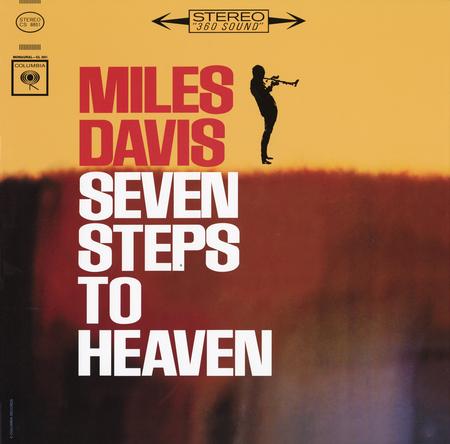
In 1963, Seven Steps to Heaven captured a change taking place in Miles Davis’ band. Recording sessions in Los Angeles and New York used different pianists and drummers. The finished album draws from both stages, allowing you to hear a selection from the process through which a new group was taking shape.
On 16 and 17 April in Los Angeles, Davis worked with Victor Feldman on piano, Ron Carter on bass and Frank Butler on drums. Three standards from those dates made the album: “Basin Street Blues”, “I Fall in Love Too Easily” and “Baby Won’t You Please Come Home”. They sit alongside three performances recorded later. The running order interleaves the sessions, so knowing their origins provides another way to navigate the record.

A composer’s contribution crosses the country
Feldman has two distinct roles here. He plays on the selected Los Angeles performances, and he wrote “Joshua” as well as co-writing the title composition with Davis. Yet Herbie Hancock plays piano on the released versions of those two originals, recorded in New York on 14 May.
Feldman chose not to take on the regular touring commitment with Davis, remaining connected to his working life in Los Angeles. His music travelled into the next stage of the project. That makes his contribution especially interesting: a musician can help shape the direction of a band even when somebody else performs his compositions on the finished album.

Standards beside a newly forming rhythm section
The New York line-up includes Hancock, Carter, 17-year-old drummer Tony Williams and tenor saxophonist George Coleman. It supplies “Seven Steps to Heaven”, “So Near, So Far” and “Joshua”. Hancock, Carter and Williams already form the rhythmic core that will accompany Davis through the coming years. Wayne Shorter is not part of this recording; he joins the band in 1964.
Try placing one of the standards beside “Joshua” in your listening. Follow the piano’s responsibilities, then the relationship between bass and drums. The personnel change becomes something to explore within the music rather than simply a list of names. Produced by Teo Macero, the album brings several possibilities together without presenting every stage of the sessions in chronological order.
The Ryan K. Smith single-LP edition
Analogue Productions AAPJ 8851 is one 180-gram record playing at 33⅓ RPM. Ryan K. Smith mastered it at Sterling Sound from the original analogue tape, according to the publisher. Quality Record Pressings handles manufacture, and the sleeve is a Stoughton tip-on. These specifications identify the single LP; the separate 45 RPM double-LP release uses different mastering.
Michael 45 keeps the goods in Germany and dispatches from Hilden, allowing customers in Germany and the EU to avoid a personal US import and the wait for customs clearance.
In the magazine: Miles Davis: A History in Records
Also in another edition: Seven Steps To Heaven
More by Miles Davis: Someday My Prince Will Come · Bags Groove
Artist page: All titles by Miles Davis
Customer question: Buying Analogue Productions records in Europe
Musicians
Documented selection of participating musicians. Personnel may vary by track; this list does not claim to be complete.
| Name | Instrument / role |
|---|---|
| Miles Davis | Trumpet |
| George Coleman | Tenor saxophone |
| Victor Feldman | Piano |
| Ron Carter | Bass |
| Frank Butler | Drums |
| Herbie Hancock | Piano |
| Tony Williams | Drums |
Two sessions with different pianists and drummers. George Coleman’s participation is not established for every track.



Reviews
There are no reviews yet.