Doug Sax founded The Mastering Lab and shaped how audiophile records sound for decades. His cuts are a small, choice corner of our catalogue.
This page lists every edition in the shop that credits him as mastering engineer.
Every edition in the shop
19 of 19 editions
All mastering engineers at a glance
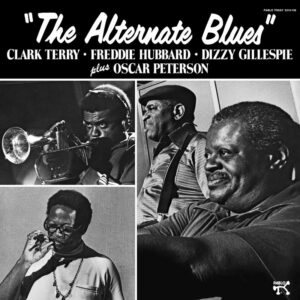
Clark Terry, Freddie Hubbard, Dizzy Gillespie Plus Oscar Peterson - The Alternate Blues
33⅓ RPM · 180 Gram · AAPJ 152
„Pablo is well known for its great-sounding records, and my first thought was of course: let’s hope they can deliver. And of course, they did.“
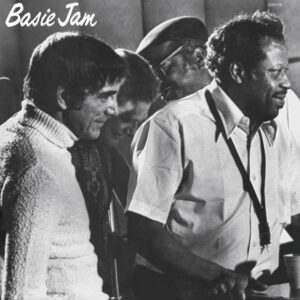
Count Basie - Basie Jam
33⅓ RPM · 180 Gram · AAPJ 155
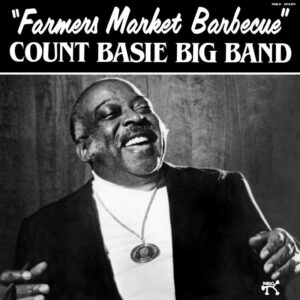
Count Basie - Farmer's Market Barbecue
33⅓ RPM · 180 Gram · AAPJ 157
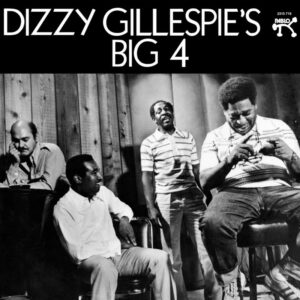
Dizzy Gillespie - Dizzy Gillespie's Big 4
33⅓ RPM · 180 Gram · AAPJ 158
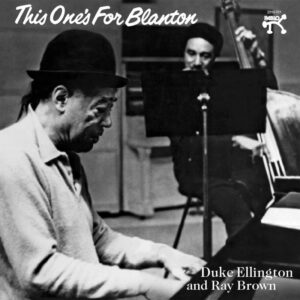
Duke Ellington & Ray Brown - This One's For Blanton
33⅓ RPM · 180 Gram · AAPJ 154
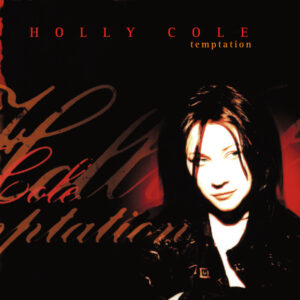
Holly Cole - Temptation
33⅓ RPM · 180 Gram · AAPP 048
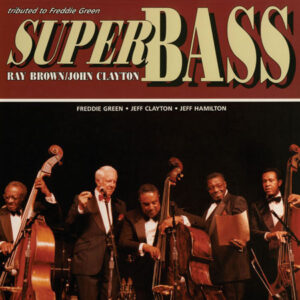
Ray Brown - Super Bass
33⅓ RPM · 180 Gram · ACPR 74018


The Doors - L.A. Woman
45 RPM · 180 Gram · AAPP 75011-45
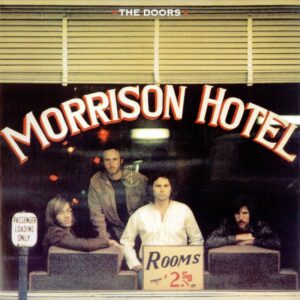
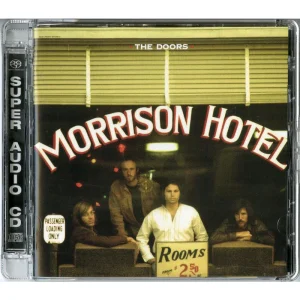
The Doors - Morrison Hotel
45 RPM · 180 Gram · AAPP 75007-45
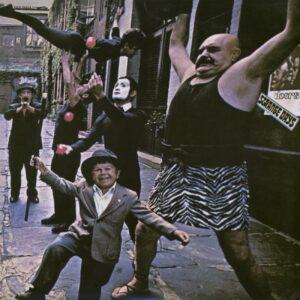
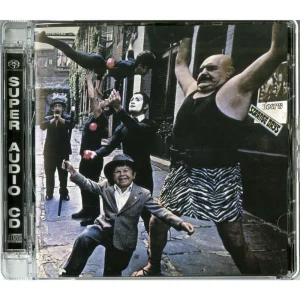
The Doors - Strange Days
45 RPM · 180 Gram · AAPP 74014-45
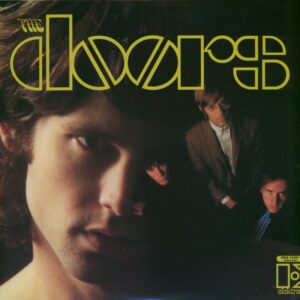
The Doors - The Doors
45 RPM · 180 Gram · AAPP 74007-45
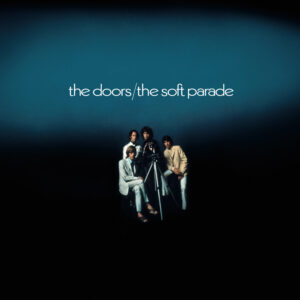
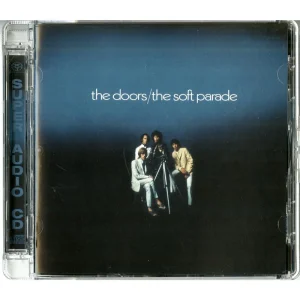
The Doors - The Soft Parade
45 RPM · 180 Gram · AAPP 75005-45
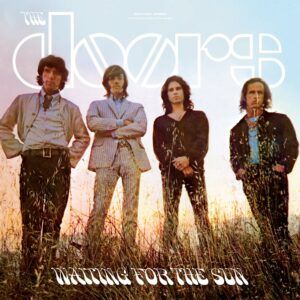
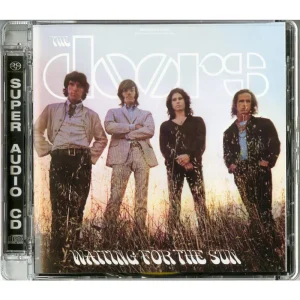
The Doors - Waiting For The Sun
45 RPM · 180 Gram · AAPP 74024-45
Questions about mastering and this selection
Does this mastering credit apply to every edition of the album?
No. The credit belongs to the catalogue number shown in that row. Other pressings and formats of the same album may have been mastered by someone else.
Is this really everything you have from Doug Sax?
Yes. This page shows every published edition in the shop whose product page credits Doug Sax as mastering engineer — including the ones that are sold out right now. When a new record arrives, it appears here on its own.
Do all records by the same engineer sound alike?
The name alone cannot tell you that. The recording, the source used, the cut and the specific edition all matter too. This page helps you explore; it does not replace a listening comparison.
Why does a second name appear in some rows?
Because that edition was worked on together. We then name both people the way the publisher does, instead of crediting the work to one of them alone.
