

Tom Waits through Holly Cole’s perspective
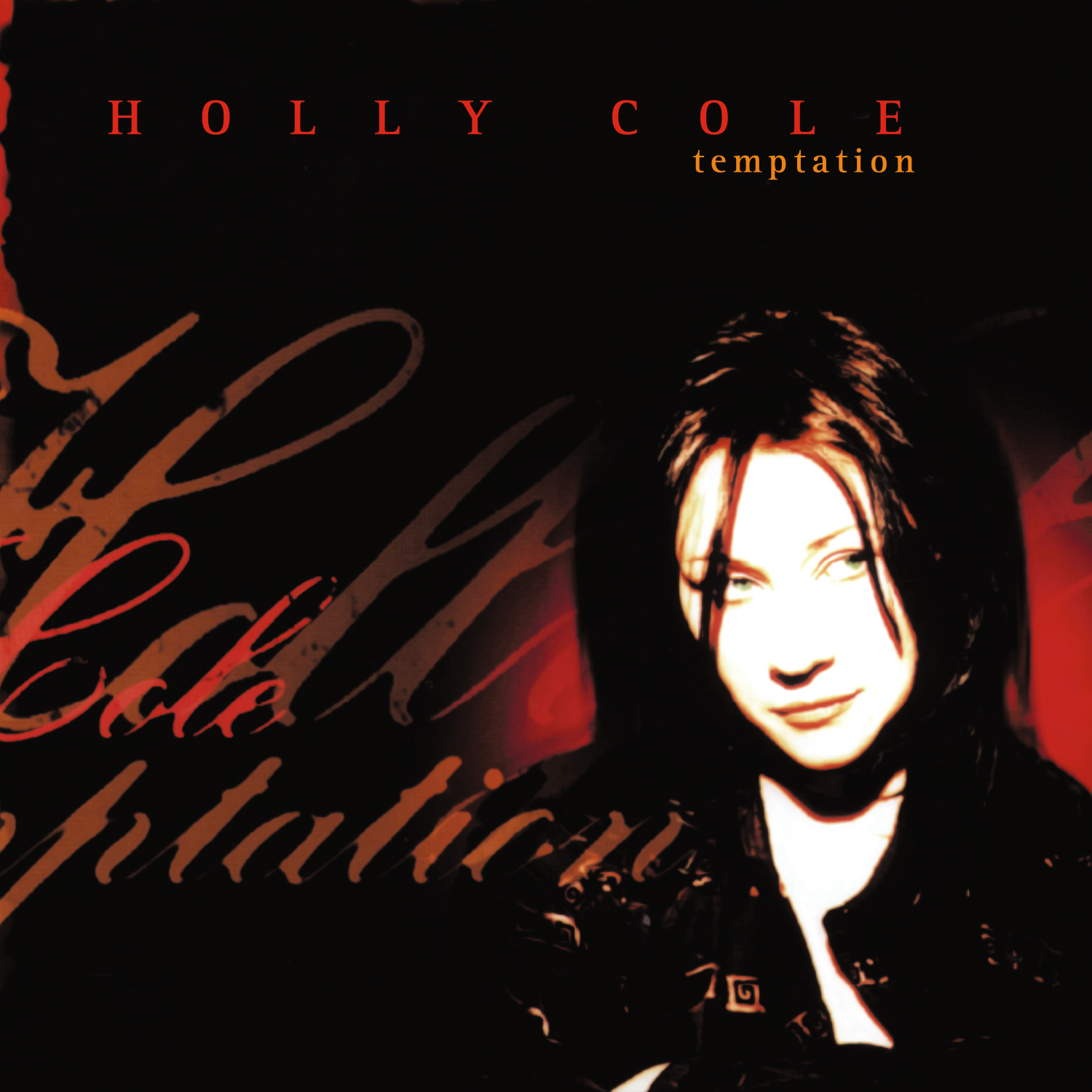
With Temptation, Holly Cole explores an entire world of songs: the Tom Waits songbook. Originally released in 1995, the album places her voice alongside piano, bass, drums and carefully chosen guests. Its central attraction is the possibility that a familiar composition can acquire new meaning through another interpreter. If you want to buy Holly Cole on vinyl and value an album with its own dramatic shape, this is a particularly rewarding double LP. This Analogue Productions edition plays at 33⅓ RPM and contains nineteen entries, including additional selections.
A project of this kind depends on the material chosen. Take Me Home, Jersey Girl, Invitation To The Blues and I Don’t Wanna Grow Up lead into distinctly different situations. Their proximity alone suggests a programme capable of sustaining more than one mood. Tenderness, longing, resistance and the possibilities of a small musical drama lie close together in this repertoire. Cole therefore has numerous starting points for interpretation while retaining the coherence that comes from concentrating on a particular body of songs.
Producer Craig Street accompanies that undertaking. Pianist Aaron Davis and bassist and percussionist David Piltch form part of the core personnel alongside drummer Dougie Bowne. Cole, Davis and Piltch also receive arrangement credits. That matters to the album’s identity: the songs are treated as material whose emphasis, accompaniment and shape can be reconsidered. A new interpretation does not begin only with the vocal line. It also begins with decisions about which instruments should surround that line and how much room they should leave.
The record sides make this approach easy to follow. Brief pieces alternate with longer narratives, while smaller instrumental settings are joined by distinctive additional colours. Moving through the album can feel like turning the pages of a songbook illuminated differently from one selection to the next. A familiar title offers an entry point, after which the programme can take over. It demonstrates how productive it can be to separate a song, for a while, from the voice with which it was first associated.

A band that works with changing colours
The opening side begins with Take Me Home and Train Song. Cyro Baptista’s percussion is among the specifically credited guest contributions to Train Song. Jersey Girl brings in the Colettes as additional voices, with Dougie Bowne credited for that track’s arrangement. The title song and Falling Down follow, the latter featuring Howard Levy on harmonica. Even within this first sequence, the core personnel is expanded in several ways, rather than applying precisely the same instrumental setting to every selection.
Aaron Davis’s piano provides an important point of reference. Together with Piltch and Bowne, it belongs to the instrumental centre around which the guest contributions are organised. That framework permits considerable variety. One song can depend on a limited number of musical voices, while another acquires a different direction through extra percussion or a further melodic instrument. The personnel consequently explains part of the range the album can achieve while remaining within a clearly defined repertoire and a recognisable artistic project.
Little Boy Blue introduces three saxophone parts: Phil Dwyer on alto, Earl Seymour on baritone and Perry White on tenor. Naming those players is more than a matter of completing the credits. It shows that the additional colours have distinct contributors, rather than forming an anonymous background. Elsewhere, the second side moves from Invitation To The Blues through Cinny’s Waltz and Frank’s Theme to I Don’t Wanna Grow Up. Following the changing forms provides another way into the programme.
The guest list also demonstrates why album personnel and individual appearances should be kept distinct. Not everyone credited performs on every track, and not every entry is a vocal number. The overview below therefore places the core album credits beside the documented guest assignments. While listening, it can help connect a particular colour with a name, without turning a general album credit into an unsupported claim that a musician appears throughout all nineteen entries. The precision makes the musical variety easier to appreciate.

A songbook with several closing chapters
The third side opens with Tango Til They’re Sore. Next, (Looking For) The Heart Of Saturday Night brings together a particularly varied group of guests: Rob Piltch on acoustic guitar, Kevin Breit on guitar, Howard Levy on harmonica and Cyro Baptista on percussion. Levy and Baptista are also credited on Soldiers Things. Their appearances connect particular songs without implying a fixed additional band across the entire album. The documented contributions belong to the individual selections for which they are identified.
On I Want You, the palette turns towards strings. Cellist Anne Bourne, violist Douglas Perry and violinist Anne Lederman contribute to the recording. The relationship between a singing voice and these instruments offers a different perspective from the saxophone setting of Little Boy Blue. Good Old World closes the side in a compact form. Changes of scale give the album its own rhythm: the selections do not all need to occupy the same duration or the same degree of instrumental density.
The fourth side begins with The Briar And The Rose, featuring Canadian Brass. It is followed by a second version of (Looking For) The Heart Of Saturday Night. This is a separate entry in the edition, not an accidental duplication in the tracklist. Shiver Me Timbers and Last Rose Of Summer are identified as bonus tracks. The double LP therefore allows several ways for the journey through the repertoire to reach its conclusion, extending the programme beyond a simple return to familiar album sequencing.
Listeners already familiar with Waits’ songs can follow the new relationships between voice, instrumentation and selection. Those discovering the repertoire through Cole can equally approach the record as an independent album. Tom Waits is the songbook’s point of reference here, not a participating singer. That distinction helps establish the right expectation: this is an interpretive project by Holly Cole and her musicians, with its coherence emerging from their work on the songs rather than from a guest appearance by their celebrated author.
The Analogue Productions 33⅓ RPM edition
The version offered here carries catalogue number AAPP 048 and spreads its programme across two stereo LPs at 33⅓ RPM. It is distinct from the separate 45 RPM edition. Doug Sax at The Mastering Lab is credited for mastering, assisted by Gavin Lurssen, and the label identifies the original master tapes as the source. Quality Record Pressings is named for pressing and Stoughton for the traditional tip-on gatefold. Those details form part of this particular reissue’s identity and provide useful points of comparison when choosing an edition.
The recording credits identify Grant Avenue Studio and McClear Pathé, with mixing at Sear Sound and Manta/Eastern Sound. Danny Kopelson is credited for recording and Tom Berry for executive production. These details make the work behind the album traceable without promising an identical experience through every playback system. The musical centre remains the interaction of Cole’s voice, the core personnel and the guests selected for individual tracks. Their changing relationships give the programme its shape and sustain interest beyond any one familiar song.
The complete tracklist and personnel overview support both choosing the record and consulting its credits while listening. Temptation is particularly well suited to a collection that values vocal jazz, independent song interpretation and thoughtfully organised album programmes. The double LP provides space to spend time with the individual stories, while allowing the shorter pieces and transitions to register as part of the whole. It rewards attention to the album’s design as well as to the songs that first attract you.
You order from Michael 45 in Germany. We arrange the US import and dispatch from Hilden.
Customer question: Buying Analogue Productions records in Europe
Musicians
Participants and documented credit status. Track references correspond to the tracklist.
- Holly ColeLater portrait reference: 2008vocals, arrangementsParticipation: Album personnel
- Aaron Davispiano, arrangementsParticipation: Album personnel
- David Piltchbass, percussion, arrangementsParticipation: Album personnel
- Dougie Bownedrums, arrangementParticipation: Album personnel; arrangement A3
- Cyro BaptistapercussionParticipation: A2, C1, C2, C3
- Howard LevyharmonicaParticipation: A5, C2, C3
- The Colettesbacking vocalsParticipation: A3
- Rhoda Dogcredited vocal contributionParticipation: A4
- Phil Dwyeralto saxophoneParticipation: B4
- Earl Seymourbaritone saxophoneParticipation: B4
- Perry Whitetenor saxophoneParticipation: B4
- Rob Piltchacoustic guitarParticipation: C2
- Kevin BreitguitarParticipation: C2
- Anne BournecelloParticipation: C4
- Douglas PerryviolaParticipation: C4
- Anne LedermanviolinParticipation: C4
- The Canadian Brassbrass ensembleParticipation: D1

Craig Street: producer; Danny Kopelson: recording; Tom Berry: executive producer. Grant Avenue Studio and McClear Pathé; mixed at Sear Sound and Manta/Eastern Sound. Doug Sax / The Mastering Lab, assisted by Gavin Lurssen: mastering from the original tapes; QRP: pressing; Stoughton: gatefold. Tom Waits is a songwriter, not a performing musician. Core personnel follows album credits; guests are assigned by track. Rhoda Dog: named vocal credit, not a verified human identity. D2 is the second version of The Heart Of Saturday Night; D3/D4 are bonus tracks.

Reviews
There are no reviews yet.