
The singer is also at the piano
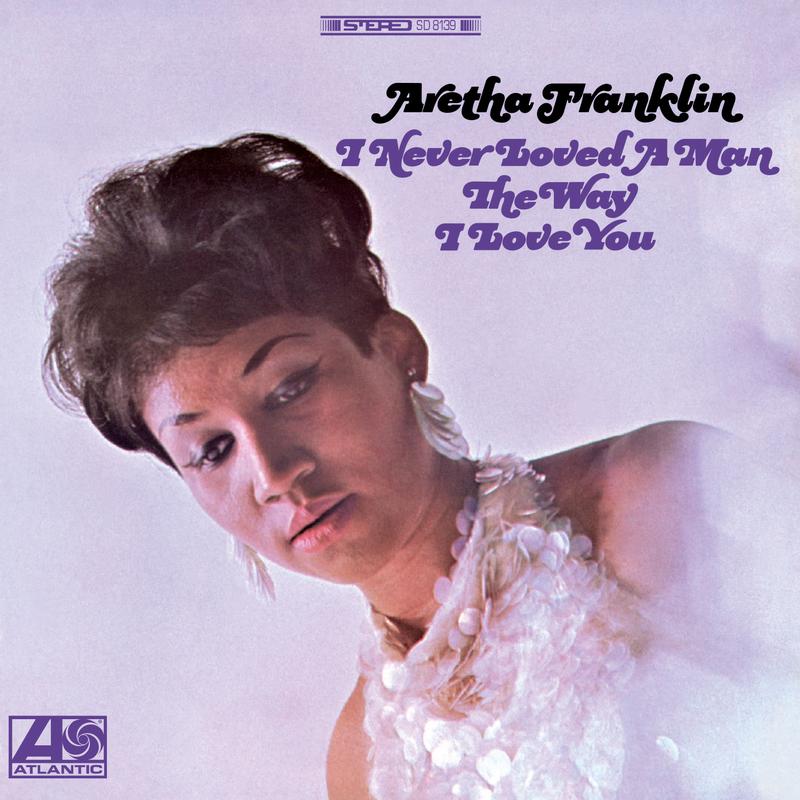
Aretha Franklin’s first Atlantic album opens with “Respect”. Otis Redding wrote the song, but Franklin develops a perspective of her own. The opening points towards what I Never Loved a Man the Way I Love You offers: a singer taking charge of material, playing piano and shaping the musical responses around her. Released in 1967, it presents her as an active maker of the performances.
The collaboration with Jerry Wexler begins after her Columbia years. Some recording took place at FAME in Muscle Shoals, with most of the album completed at Atlantic in New York. The title track and “Do Right Woman, Do Right Man” belong to the Alabama beginning. Treating the entire record as one Muscle Shoals session would miss the journey between those working environments.

A family around the microphone
Carolyn and Erma Franklin are among the singers supporting Aretha. On “Respect”, follow their responses consciously. They do more than add weight to the lead: the backing parts help determine the form of the performance. Its familiar call and response can be heard as a collaboration involving several people rather than a signature gesture belonging to one voice alone.
Carolyn also appears among the songwriters, including on “Baby, Baby, Baby”. Singing and writing connect within the same family. King Curtis supplies another distinctive contribution with the saxophone solo on “Respect”. Following the handover between lead voice, backing singers and horn offers a way back into a song whose familiarity can otherwise make its individual parts easy to overlook.

Two routes to Sam Cooke
“Good Times” and the closing “A Change Is Gonna Come” both lead to Sam Cooke. Their different demands give the programme further points of reference. Alongside them are songs Franklin wrote or co-wrote, including “Dr. Feelgood”. Material from other writers and her own compositions belong to the same work of interpretation.
The piano supplies another practical listening route. When does it lead a section, and when does it sit between the voice and rhythm players? Spooner Oldham, Tommy Cogbill and Roger Hawkins are among the participants, as are Jimmy Johnson and Chips Moman. Their contributions show accompaniment being built around this particular singer. Let the album continue to Cooke’s closing song: it reaches a different final point than a selection of the celebrated singles alone would suggest.
Four sides in the Atlantic 75 Series
The Analogue Productions edition consists of two 180-gram records at 45 RPM. Kevin Gray at Cohearent Audio is credited with mastering from the original master tape. The publisher specifies Quality Record Pressings and a Stoughton tip-on gatefold jacket. Catalogue number AAPA 016-45 identifies this release. Its eleven album tracks are distributed across four sides; the bonus versions included on later CDs are not part of this programme.
Michael 45 keeps the goods in Germany and ships from Hilden, so customers in Germany and the EU can order without arranging a personal US import or waiting for customs processing.
More from the series: Atlantic 75 Series
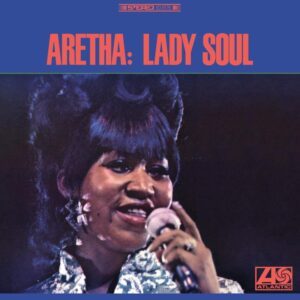
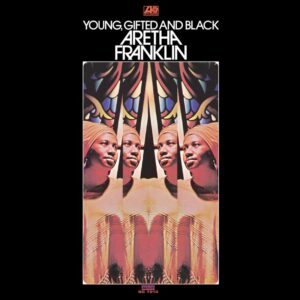
More by Aretha Franklin: Lady Soul · Young, Gifted And Black
Customer questions: Atlantic 75: which titles are worth buying? · Buying Analogue Productions records in Europe
Series: Atlantic 75 Series – all 75 albums, time journey and the people behind Atlantic
Musicians
Documented selection of participating musicians. Personnel may vary by track; this list does not claim to be complete.
| Name | Instrument / role |
|---|---|
| Aretha Franklin | Vocals, Piano |
| Spooner Oldham | Keyboards, Piano |
| Jimmy Johnson | Guitar |
| Chips Moman | Guitar |
| Tommy Cogbill | Electric bass |
| Gene Chrisman | Drums |
| Roger Hawkins | Drums |
| Melvin Lastie | Trumpet |
| Charles Chalmers | Tenor saxophone |
| King Curtis | Tenor saxophone |
| Willie Bridges | Baritone saxophone |
| Carolyn Franklin | Backing vocals |
| Erma Franklin | Backing vocals |
| Cissy Houston | Backing vocals |


Reviews
There are no reviews yet.