
A different second guitar
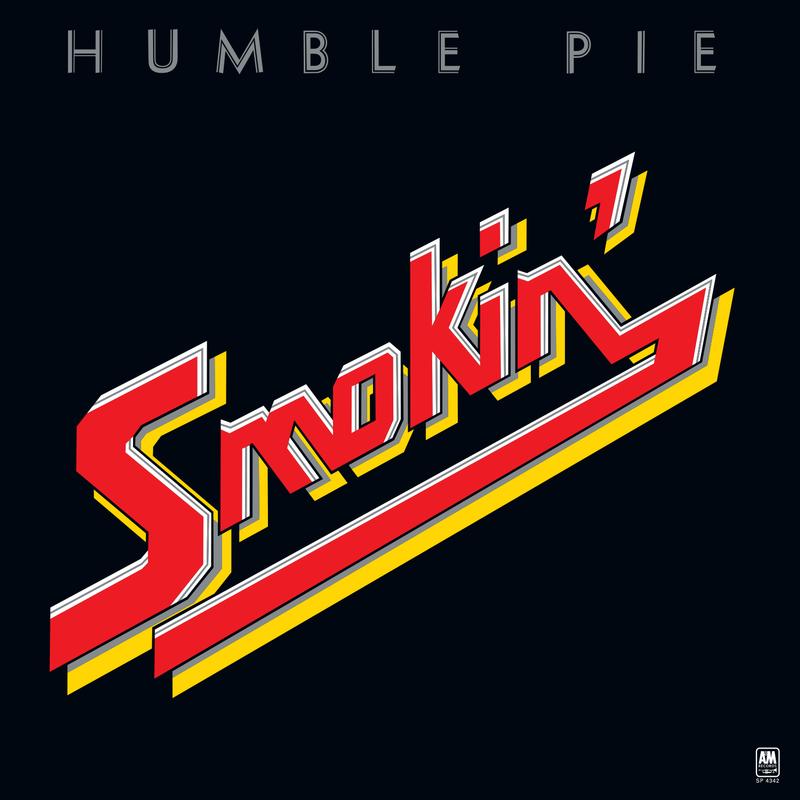
Humble Pie entered the sessions for Smokin’ with a major change already behind them. Peter Frampton had left in 1971, and Clem Clempson arrived from Colosseum. Steve Marriott had taken notice of his solo playing; now Marriott, Greg Ridley and Jerry Shirley would build an album with him. Recorded at Olympic Studios in London during February 1972, the record appeared on A&M the following month.
That change offers a useful way into the music. Marriott sings and plays guitar, Clempson provides the second guitar voice, Ridley plays bass and Shirley drums. Follow the movement between accompanying figures, short replies and longer guitar passages. The interest lies in how those responsibilities work within the new line-up, rather than in treating every moment as a comparison with the former guitarist.

Songs brought into the room
Original material sits beside songs from different corners of the musicians’ listening lives. “C’mon Everybody” connects to Eddie Cochran, “Road Runner” to Junior Walker, and “I Wonder” to Cecil Gant. “The Fixer”, “Sweet Peace and Time” and “30 Days in the Hole” belong to the band’s own material. Together they provide a route through the sources and interests behind the album.
Try comparing a concise song with the more extended course of “Road Runner”. What happens to the instrumental roles when there is more room? Instead of asking only how closely the group follows an earlier recording, consider what a composition allows this particular quartet to do with it.

Familiar guests, less obvious roles
The guest credits contain some especially appealing details. Alexis Korner plays tiple, a small stringed instrument, on “Old Time Feelin’”. Stephen Stills supplies organ on “G Jam”, the closing section of “Road Runner”. Doris Troy and Madeline Bell contribute vocals. These additions broaden the instrumental and vocal possibilities beyond the basic four-piece line-up.
Korner and Stills are worth remembering because their contributions may be different from what their names first suggest. Listening for those parts gives you a reason to return to a passage that might otherwise sit in the background. The album has several such paths beyond its best-known song, “30 Days in the Hole”; the credits help make them visible without prescribing how the record should sound to you.
The 45 RPM pressing
Analogue Productions AAPP 168-45 contains two 180-gram LPs playing at 45 RPM. Kevin Gray handled the mastering, and the publisher specifies a ½-inch flat tape copy of the original master tape as the source. The separate single-LP version plays at 33⅓ RPM and carries a different catalogue number. Those two configurations should not be confused.
Michael 45 holds the record in Germany and ships from Hilden, avoiding the need for a personal US import and the accompanying customs wait.
Also in another edition: Smokin’
Customer question: Buying Analogue Productions records in Europe
Musicians
Documented selection of participating musicians. Personnel may vary by track; this list does not claim to be complete.
| Name | Instrument / role |
|---|---|
| Steve Marriott | Backing vocals, Keyboards, Harmonica, Guitar |
| Clem Clempson | Backing vocals, Lead vocals, Keyboards, Guitar |
| Greg Ridley | Backing vocals, Bass |
| Jerry Shirley | Piano, Drums |

Reviews
There are no reviews yet.