An album is also made in the mix
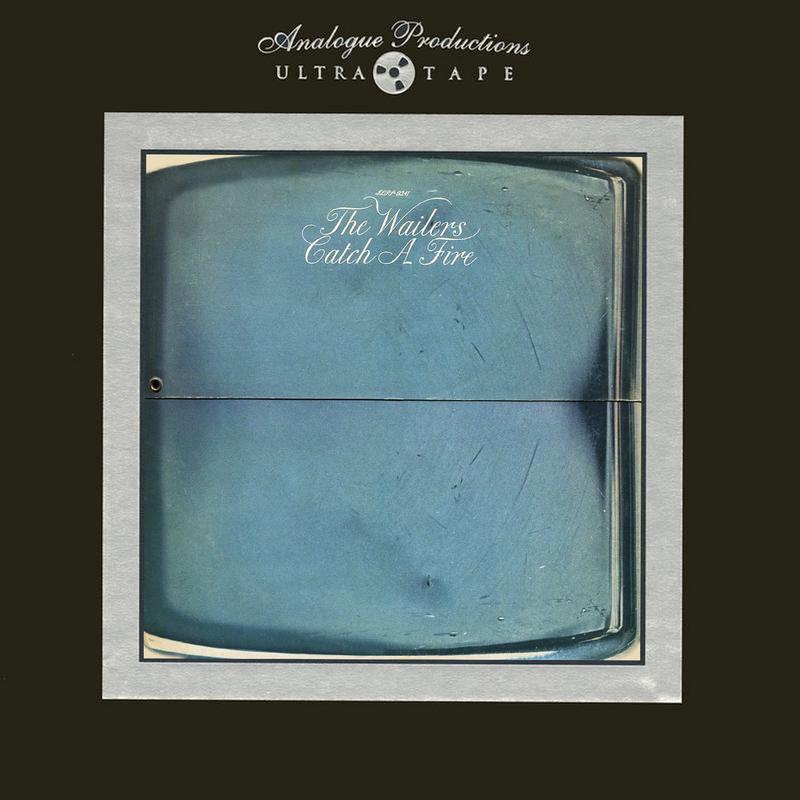
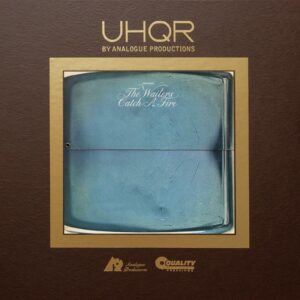
For Catch a Fire, the tape format leads directly into the recording history. The Wailers worked on eight-track machines in Kingston during 1972. Tony Platt later explained that several instruments were sometimes already combined on a single track. Drums, bass, guitars and keyboards could not simply be separated at will. Relationships had been established during the initial performance and recording. Those musical and technical decisions travelled with the tapes to London.
Additional instrumental lines were recorded there. Platt handled overdubs by Wayne Perkins and John “Rabbit” Bundrick and worked on the mix. The Jamaican foundations developed into the Island album released in 1973. The route to the stereo master is therefore part of the music's history, rather than a separate technical footnote. Anyone interested in a tape edition also encounters a necessary question: what precisely does an “original recording” mean in the context of this particular album?

The musicians inside the nine-track programme
Bob Marley, Peter Tosh and Bunny Wailer were still working together. The Barrett brothers anchor the ensemble on bass and drums, but the recording story contains additional names. Robbie Shakespeare is credited in historical accounts on “Concrete Jungle” and “Stir It Up”; the later deluxe-edition credits confirm his involvement on “Concrete Jungle”. Such details widen the perspective on a record so often represented by Marley's face alone.
Tosh wrote “400 Years” and “Stop That Train”. Placed consecutively in the first half, they establish his separate writing voice within the sequence. The second half contains “Stir It Up”, “Kinky Reggae”, “No More Trouble” and “Midnight Ravers”. Across the programme, melody, social experience and collective singing receive different treatments. Heard in full, Catch a Fire reveals more of this Wailers configuration than a selection of its best-known songs. The album's identity depends on the relationships between these contributions.

What the later Jamaican versions reveal
The 2001 deluxe edition placed eleven Jamaican versions alongside the nine-track Island album. “High Tide or Low Tide” and “All Day All Night” expanded the programme, while sequence and running times also differed. That release made clear that the material had developed into more than one historically significant form. The London overdubs and the mixing work are therefore substantial parts of an edition's identity.
One question helps when choosing a release: which programme and treatment are actually being offered? Nine tracks in the familiar sequence point towards the Island album, but they do not replace an explicit confirmation of the mix. A tape edition deserves the same precision here as any other format. The medium alone establishes neither the version nor the copying generation. Both belong to the specific release, however familiar the songs may already be to the listener.
This edition: the announced Ultra Tape
RRAP 0041 is announced on two quarter-inch reels at 15 ips in two-track stereo. The publisher specifies transfer using an ATR-modified Ampex and a custom slipcase. As of 10 September 2026, the tape remains a preorder without a confirmed arrival date. Five tracks are assigned to the first reel and four to the second.
The series description specifies IEC equalisation, but the individual product page does not separately confirm it. Reel size and hub type also remain unstated there and should be established when planning playback. No individual mastering engineer or exact copying generation is identified. The track sequence points towards the Island version without expressly confirming it. These specifications describe the announced release; UHQR mastering credits and accessories documented for other Ultra Tapes have not been transferred to this product.
You order from Michael 45 in Germany. We arrange the US import and dispatch from Hilden. Editions not currently in stock are dispatched after the goods arrive.
In the magazine: Bob Marley: Burnin’ and Natty Dread on UHQR
More by Bob Marley and The Wailers: Exodus · Natty Dread
Artist page: All titles by Bob Marley & The Wailers
Customer question: Buying Analogue Productions records in Europe
Musicians
Documented selection of participating musicians. Personnel may vary by track; this list does not claim to be complete.
| Name | Instrument / role |
|---|---|
| Bob Marley | Vocals, Guitar |
| Peter Tosh | Vocals, Guitar, Piano, Organ |
| Bunny Wailer | Vocals, Congas, Bongos |
| Aston "Family Man" Barrett | Electric bass |
| Rita Marley | Backing vocals |
| Marcia Griffiths | Backing vocals |
| Robbie Shakespeare | Electric bass |
| Tommy McCook | Flute |
| Winston Wright | Organ |
🎧 Review video: Inside Abbey Road: Re-Mastering Bob Marley with Chad Kassem & Michael Ludwigs
This video is hosted by YouTube (Google). It only loads once you switch on “Functional” in the cookie settings.

Reviews
There are no reviews yet.