Louisiana finds a stage in Kansas
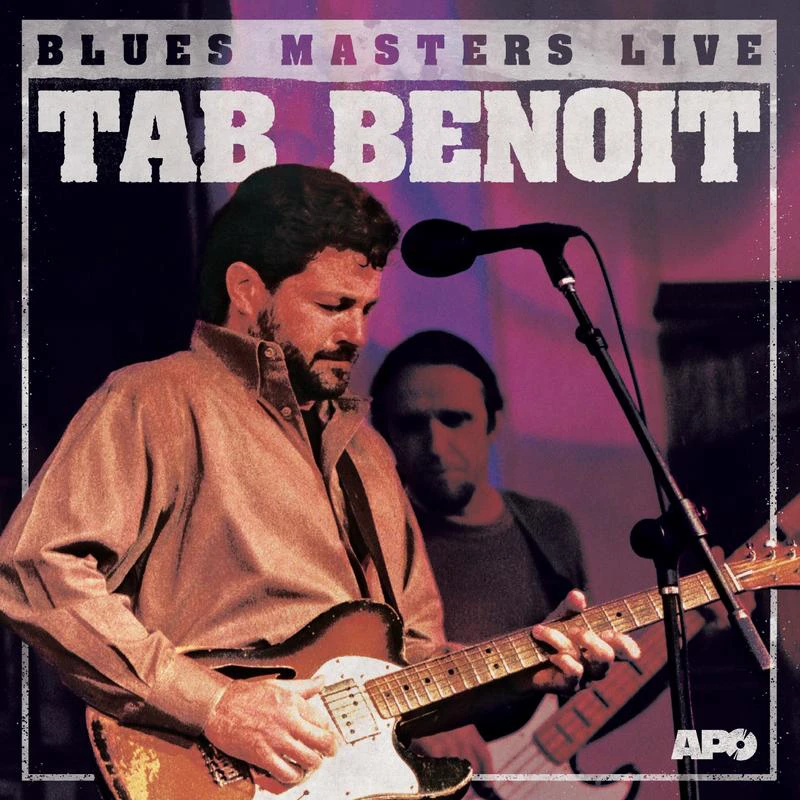
The journey from Louisiana to Salina brings a musical community into focus on this record. On October 19, 2002, Tab Benoit took the stage at Blue Heaven Studios, aged 34, with a programme that placed his own songs alongside music associated with older artists from his home state. Blues Masters Live preserves that evening across four record sides. Professor Longhair, Boozoo Chavis and Lil’ Bob enter the story through their songs, while Benoit connects their work with his own. Eleven tracks document his appearance at the fifth Blues Masters at the Crossroads.
The concert happened in Kansas, but its musical points of reference lay further south. Benoit grew up in Houma and encountered blues through direct contact with working musicians at the Blues Box in Baton Rouge. At the club run by Tabby Thomas, he played alongside Thomas, Raful Neal and Henry Gray. That experience gives the meeting of generations at Blue Heaven a personal context: older musicians belonged to the world in which he had learned his craft.
Benoit was touring behind Wetlands around the time of this performance. Bassist Carl Dufrene Jr. and drummer Darryl White joined him in Salina, forming the core ensemble documented on the recording. Voice, guitar, bass and drums provide a clear starting point for following the traditions represented in the programme. The official release announcement identifies blues, New Orleans R&B, swamp pop and zydeco as part of the musical background he brought to the concert.

A programme of songs and encounters
Side A places Benoit’s material in conversation with an earlier Louisiana repertoire. “Muddy Bottom Blues” opens the album, followed by Professor Longhair’s “Her Mind Is Gone” and Benoit’s “Nice And Warm”. The last of those runs for more than eight minutes here. Its extended running time gives the song a substantial share of the opening side and a prominent place within that first group of selections. Read as a sequence, the side offers an introduction to Benoit’s musical background: an original, a link to New Orleans, then another original.
Side B begins with “Let Love Take Control” before “Dog Hill” introduces the connection to Boozoo Chavis. “I Got Loaded” brings the relationship between generations into the performance itself. Lil’ Bob, whose name was Camille Bob, appears on that track; the official announcement identifies him as the song’s creator and confirms his participation. Here, a piece in a younger guitarist’s repertoire is also part of the history of an older musician sharing the occasion.
The second LP opens with “Louisiana Style” and “Crawfishin’”, continuing the thread of Benoit originals. The “Mardi Gras Medley” follows, its 9:23 running time making it the longest entry in the published tracklist. “Cherry Tree Blues” and “Bayou Boogie” occupy the final side. Listening on vinyl gives that arrangement a physical rhythm: each side starts afresh, while the eleven selections remain connected by the concert that brought them together. The alternation of original material and inherited songs also offers a way into the record. You can follow where Benoit places his own writing within the wider music of Louisiana.
A church built for listening
Blue Heaven Studios supplies an unusual setting for that exchange. The Salina venue occupies a restored Gothic-style church. According to the release announcement, the sanctuary was designed to allow a preacher to be heard throughout the room without amplification. That original purpose is a useful way to understand the building’s place in this story. It was a space intended for people to listen together. Tall stained-glass windows, wooden fittings and rows of pews recall the room’s earlier life alongside its role as a concert and recording venue.
David Baker and Katsuhiko “Katsu” Naito were the recording engineers. The performance was recorded live to two-track on half-inch tape running at 15 inches per second. Those details establish the documented recording method: the live performance was captured directly as a two-track recording. The tape then provides the starting point for the album’s later preparation and release. The recording preserves the connection between the musicians, the event and its setting. All three belong to the same evening, held on tape and later prepared for release.
Blues Masters at the Crossroads ran from 1998 to 2018. Benoit’s performance remained unreleased for more than two decades, before Acoustic Sounds began opening the archive through Blues Masters Live in its fortieth anniversary year. That interval gives the album a particular perspective. It makes a concert from 2002 available as a release in its own right, retaining the personnel and repertoire of that occasion.

The original tapes and this edition
Issued by APO Records as AAPO 1001, this edition consists of two 180-gram LPs playing at 33⅓ RPM. Matthew Lutthans mastered the album at The Mastering Lab from the original analogue master tapes, and Quality Record Pressings handled the pressing. A direct-to-board gatefold jacket houses the records. The liner notes are by Keith Spera, the New Orleans-based music journalist and author, adding a written perspective to the concert’s appearance on vinyl.
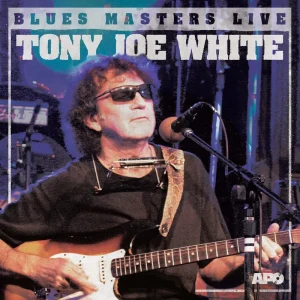
The series also opens with Tony Joe White’s Blues Masters Live, recorded in the same venue on October 18, 2003. A shared location connects two distinct evenings. On Benoit’s album, the trio anchors the programme, with Lil’ Bob’s documented appearance on “I Got Loaded” adding a direct link to an earlier generation. Across the four sides, the record brings together Benoit’s own writing, the Louisiana music around it and the Kansas room where that particular meeting took place.
Customer question: Buying Analogue Productions records in Europe

Reviews
There are no reviews yet.