
A personal voice in other writers’ songs
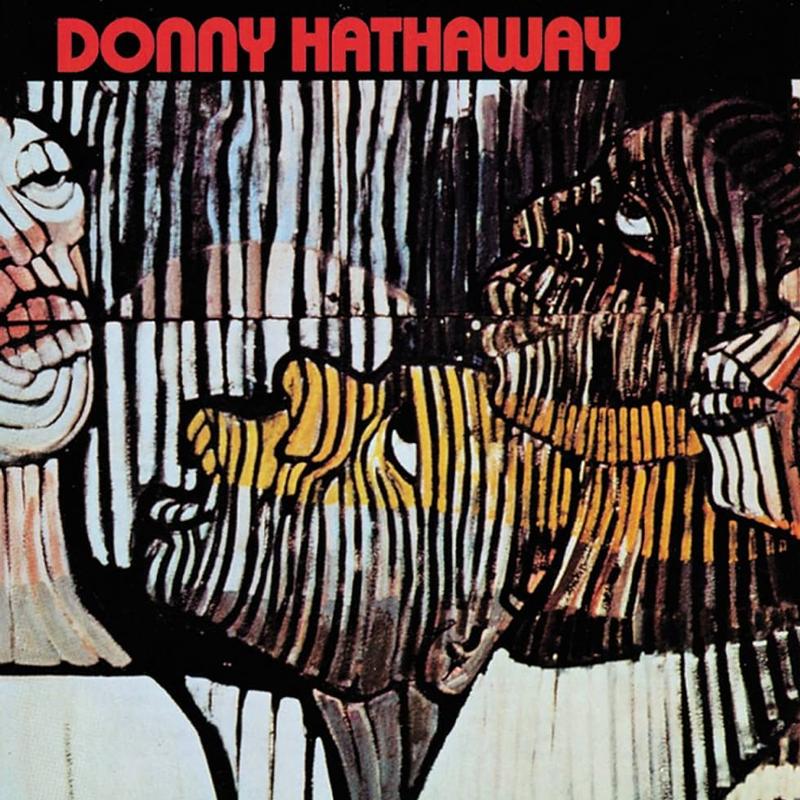
Donny Hathaway’s second studio album appeared under his own name in 1971. Eight of its nine pieces were written by other composers. That provides a useful way into the record: its personality arises through selection, arrangement and performance. Hathaway brings songs from soul, pop and gospel into a shared album context without erasing their different origins. Leon Russell’s “A Song For You” was still a recent composition. Hathaway’s recording became part of the song’s continuing history, but Russell wrote it. Keeping that distinction clear brings the interpreter’s contribution into sharper focus.
The recordings were made in 1970 and 1971. Jerry Wexler and Arif Mardin produced most of the album, while Hathaway produced “Take A Love Song.” The arrangements also reflect the work of Hathaway and Mardin. The sequence moves from the opening appeal of “Giving Up” through personal expressions of affection to songs with communal and spiritual associations. Hathaway’s voice and musical decisions provide continuity. The album does not have to be treated as either a collection of standards or an exclusively gospel program to understand how those connections work.

Several sessions and distinct contributions
Much of the recording took place at Atlantic Recording Studios in New York, supplemented by work at Criteria Studios in Miami. “Take A Love Song” was recorded separately at Universal Studios in Chicago with a different group. Important participants in the New York setting include Cornell Dupree on guitar, Chuck Rainey on bass and Al Jackson Jr. on drums. Hathaway sings and plays keyboards. Phil Upchurch, Steve Novosel and Morris Jennings are among the documented musicians on the Chicago track. These differences belong to the recording’s history and should remain visible in its personnel credits.
Individual solo contributions can also be identified: King Curtis plays the tenor saxophone solo on “Giving Up,” while Joe Newman takes the trumpet solo on “She Is My Lady.” The arrangements provide changing instrumental counterparts to the voice. Listen for moments when an instrument answers a vocal line or opens a new section. Strings, horns and backing voices participate in that design, but an album-level credit does not automatically establish a musician’s presence on every track. Assigning the documented appearances helps connect the names with their actual musical settings.

From personal address to a communal voice
“Giving Up” and “A Song For You” open the program with different kinds of personal address. “Little Girl” and “He Ain’t Heavy, He’s My Brother” follow, with “Magnificent Sanctuary Band” and “She Is My Lady” later in the sequence. The range comes partly from movement between individual intimacy and a broader communal expression. Hathaway’s gospel background is a useful reference, though it does not fully explain every song. A popular composition can gain another character through phrasing, harmonic treatment and the placement of backing voices while retaining its melodic identity.
The final side of this double LP contains “I Believe In Music,” “Take A Love Song” and “Put Your Hand In The Hand.” The first of these is indeed “I Believe In Music”; similar song titles can cause confusion. “Take A Love Song,” co-written with Nadine McKinnor, is Hathaway’s only original composition on the album. Its producer and recording location also distinguish it from the other selections. The record thus brings together several forms of musical authorship: writing, arranging, accompanying and contributing to an existing song’s identity through a new interpretation.
The complete album on two records
This Analogue Productions edition in the Atlantic 75 Series spreads the nine original tracks across two 180-gram LPs at 45 RPM. The publisher credits Kevin Gray at Cohearent Audio with mastering and identifies the original master tape as the source. Packaging includes a two-pocket Stoughton gatefold jacket. QRP is named for the series, with RTI also used for later pressings; a particular early numbered copy is not assumed. These details identify the edition rather than other reissues with different formats or bonus material.
The product number is AAPA 051-45. Included is the original nine-track album, without additional songs from later compilations. This is especially useful for listeners who discovered Hathaway through individual recordings: those performances return to the sequence of his second studio album. “A Song For You” becomes part of a broader program shaped as much by repertoire and ensemble work as by the lead voice. The separate sessions remain visible rather than disappearing behind one generalized lineup. They explain how different musical situations came together on a record carrying Hathaway’s name alone.
You order from Michael 45 in Germany. We arrange the US import and dispatch from Hilden.
Also on SACD: Donny Hathaway
More by Donny Hathaway: Everything Is Everything
Customer questions: Atlantic 75: which titles are worth buying? · Buying Analogue Productions records in Europe
Series: Atlantic 75 Series – all 75 albums, time journey and the people behind Atlantic
Musicians
Participants and documented credit status. Track references correspond to the tracklist.
- Donny Hathawayvocals, keyboardsParticipation: Album personnel
- Chuck Raineyelectric bassParticipation: A1, A2, B1, B2, C1, C2, D1, D3
- Cornell DupreeguitarParticipation: A1, A2, B1, B2, C1, C2, D1, D3
- Al Jackson Jr.drumsParticipation: A1, A2, B1, B2, C1, C2, D1, D3
- King Curtistenor saxophone soloParticipation: A1
- Joe Newmantrumpet soloParticipation: C2
- Phil Upchurchelectric bassParticipation: D2
- Steve NovoselbassParticipation: D2
- Morris JenningsdrumsParticipation: D2
- Cissy Houstonbacking vocalsParticipation: A1, A2, B1, B2, C1, C2, D1, D3
- Myrna Smithbacking vocalsParticipation: A1, A2, B1, B2, C1, C2, D1, D3
- Sylvia Shemwellbacking vocalsParticipation: A1, A2, B1, B2, C1, C2, D1, D3
- Judy Claybacking vocalsParticipation: A1, A2, B1, B2, C1, C2, D1, D3
- Deirdre Tuckbacking vocalsParticipation: A1, A2, B1, B2, C1, C2, D1, D3
- J.R. Baileybacking vocalsParticipation: A1, A2, B1, B2, C1, C2, D1, D3
- Ronnie Brightbacking vocalsParticipation: A1, A2, B1, B2, C1, C2, D1, D3
- Sammy Turnerbacking vocalsParticipation: A1, A2, B1, B2, C1, C2, D1, D3
- Myrna Summersbacking vocals (with the Interdenominational Singers)Participation: A1, A2, B1, B2, C1, C2, D1, D3
- Ivory Stonebacking vocalsParticipation: D2
- Lillian Perrybacking vocalsParticipation: D2
- S. Whitebacking vocalsParticipation: D2


D2 comes from a separate Chicago session. Other group credits identify the documented recording block, not every audible appearance by every backing singer.
How Michael hears this edition
Listening impression · paraphrased from the video
Michael highlights the energy, commitment and emotion in Donny Hathaway’s voice, choosing “He Ain’t Heavy, He’s My Brother” as his listening example. He explicitly praises the sound quality of this Atlantic 75 edition; he does not compare it with other pressings in this passage.
🎧 Review video: Genesis, John Coltrane and Donny Hathaway
This video is hosted by YouTube (Google). It only loads once you switch on “Functional” in the cookie settings.

Reviews
There are no reviews yet.