

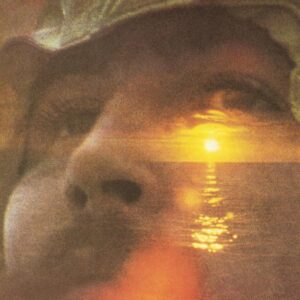
An album about watching the world
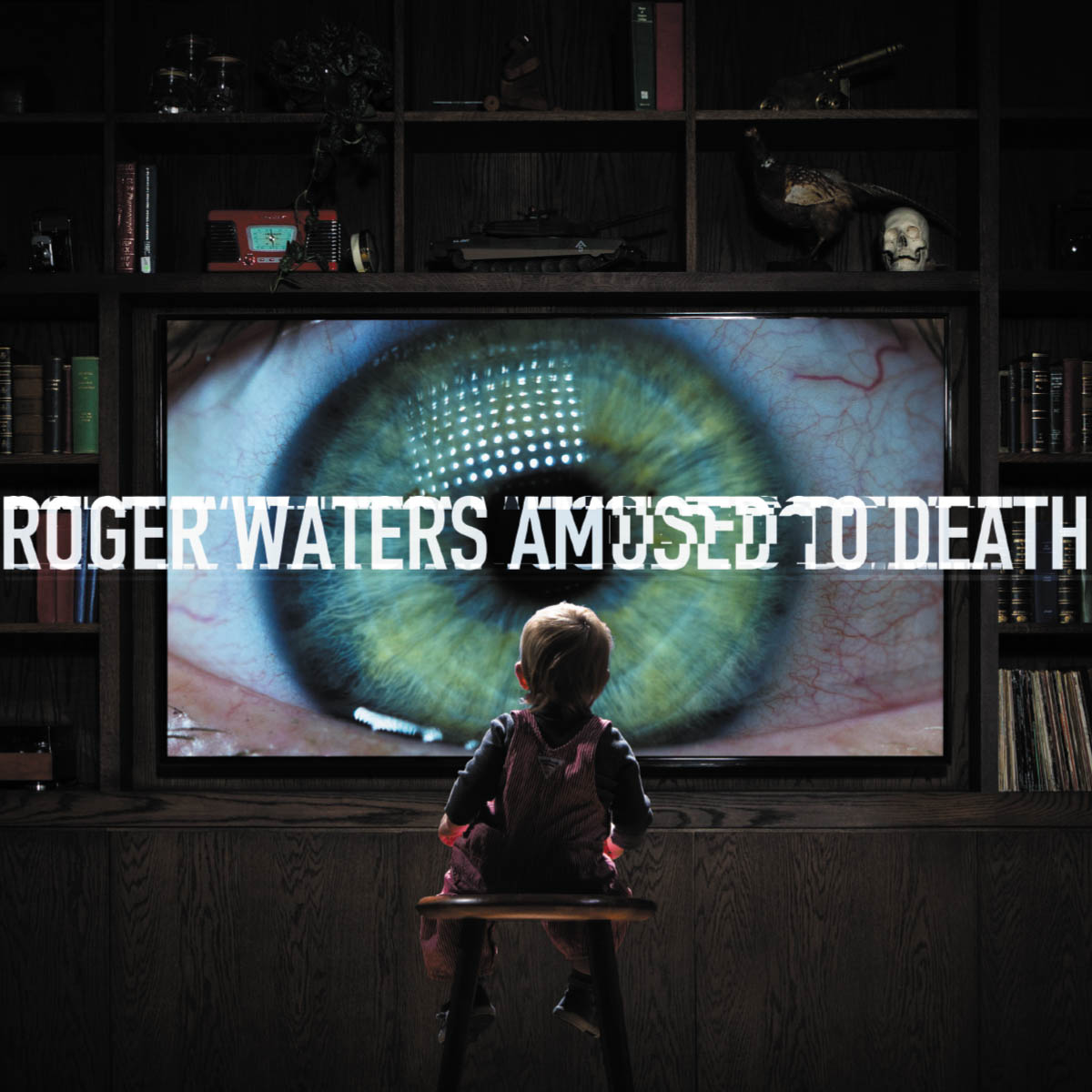
Amused to Death is Roger Waters’s extended reflection on a world increasingly encountered through images. War, entertainment, religious certainty and the distance between an event and its audience define its thematic territory. Columbia released the album on September 7, 1992, following recordings made between 1987 and 1992 across several London studios. The listed locations include The Billiard Room, Olympic, CTS, Angel and Abbey Road. Its fourteen tracks form a carefully constructed studio work whose ideas and voices repeatedly connect one section with another.
A specific human memory frames that broader perspective. At the beginning and end, British First World War veteran Alf Razzell is heard recounting his experience concerning Bill Hubbard. This is not simply another fictional character in a lyric. His recorded testimony brings an individual wartime experience into an album concerned with the mediation and consumption of violence. The distance between one person’s history and a larger public narrative is consequently given a tangible point of reference.
Waters wrote all the songs. His voice leads the programme, but the design extends beyond a sequence of tracks performed by an unchanging band. Spoken passages, guest singers, guitars, keyboards and orchestral contributions form a continuous dramatic structure. The edition offered here requires another important distinction: it is based on James Guthrie’s 2015 remix. The original album and the later mix belong to the same work’s history, but they are not interchangeable descriptions of an unchanged technical version. That difference also matters when identifying certain instrumental contributions.

Many musicians, with carefully placed contributions
Patrick Leonard occupies a central position. Alongside his production involvement, he plays keyboards across much of the programme and contributes programming, choir arrangements and other elements. Waters appears not only as singer but also on bass, synthesizer, acoustic guitar and twelve-string guitar. Those instruments are not all present on every song. The album uses changing combinations, which makes the detailed personnel information more useful than a general list implying one constant line-up.
Jeff Beck supplies one of its distinctive guitar voices. His appearances include “The Ballad of Bill Hubbard,” “Watching TV” and “It’s a Miracle,” with further contributions to solo passages elsewhere. His part on “The Bravery of Being Out of Range” belongs specifically to the 2015 remix. The organ credit on that track also changes from the original version, with David Paich appearing in the later mix. These details are a practical reason to identify the personnel of the edition being discussed rather than importing every credit from a general account of the 1992 album.
The guitar contributors also include Andy Fairweather Low, Tim Pierce, Geoff Whitehorn, Steve Lukather, Rick DiFonzo and Bruce Gaitsch; B. J. Cole plays pedal steel on the two “Perfect Sense” sections. Graham Broad handles a substantial share of the drums, while Denny Fongheiser plays on “The Bravery of Being Out of Range” and Jeff Porcaro on “It’s a Miracle.” Bass duties are distributed too, with Randy Jackson, Jimmy Johnson, John Pierce and John Patitucci among the credited players. This is a studio production with track-specific combinations rather than one band performing every part of the programme.
The guest vocalists establish especially direct changes of character: P. P. Arnold in “Perfect Sense,” Don Henley in “Watching TV” and Rita Coolidge in the closing title track. Backing singers, the London Welsh Chorale and additional spoken voices expand the cast. Michael Kamen contributes orchestral arrangements and conducting, with the National Philharmonic Orchestra among the participating ensembles. Different voices broaden the album’s perspective and give particular sections individual identities while remaining part of Waters’s larger design.

Fourteen tracks and a recurring perspective
“The Ballad of Bill Hubbard” opens the sequence, followed by the first part of “What God Wants.” Two further parts return later, connecting different points within the album. “Perfect Sense” is also divided into two sections. The movement between song, commentary and a staged media environment forms part of the storytelling; Marv Albert’s sportscaster voice in Part II is a particularly clear example. The subjects are developed through the presentation of voices as well as through the words being sung.
“The Bravery of Being Out of Range” introduces the idea of distance in its title. The two-part “Late Home Tonight” follows, before “Too Much Rope” and the remaining “What God Wants” sections occupy the centre of the programme. Repetition and return give the record an internal structure beyond that of an anthology of political songs. Following the sequence allows attention to recurring ideas and to the different effect a familiar voice can have when it reappears in another context. The connections are part of the experience of the album as a whole.
The final four tracks lead through the closing portion: “Watching TV,” “Three Wishes,” “It’s a Miracle” and “Amused to Death.” On this double LP, they occupy parts of sides C and D. Returning to Razzell’s testimony reconnects the ending with the opening. His personal account remains a human reference within the broader criticism of media culture. That frame gives the programme a continuity extending beyond individual choruses and the recognisable names of its guests.
Spatial production through QSound is also part of the design. The process works through specially treated stereo and does not indicate a separate multichannel programme on this double LP. Following the placement of spoken voices and effects can be as interesting as following the instruments. Their perceived position in a particular listening room also depends on speaker placement and the listening position. The spatial treatment nevertheless belongs to the production itself and contributes to the way the album presents its themes, rather than functioning only as an added demonstration effect.
The 200-gram double LP at 33⅓ RPM
This Analogue Productions edition, AAPP 468761, presents Amused to Death on two stereo LPs at 33⅓ RPM. According to the publisher, the 200-gram records are manufactured at Quality Record Pressings and housed in a gatefold jacket. The release is based on the version reworked in 2015. James Guthrie and Joel Plante transferred the material from the original analogue tapes into high-resolution digital, with Bernie Grundman responsible for cutting the lacquers. That digital stage is part of the documented production. An origin in analogue tapes should therefore not be confused with an entirely analogue AAA chain.
The fourteen tracks occupy four sides: four selections on side A, five on B, three on C and two on D. “Watching TV” and “Three Wishes” follow Part III of “What God Wants” on side C; “It’s a Miracle” and the title track share the closing side. This arrangement differs from the edition spread across four 45-RPM records. The 33⅓-RPM double LP connects longer portions of the album between side changes and uses fewer records. For a work built around recurring voices and thematic returns, that more continuous practical sequence is a reasonable consideration. It does not establish a general sonic verdict on the other edition.
Collectors can distinguish the work itself, the mix and the particular format. The original album dates from 1992 and the reworking underlying this release from 2015; two LPs, speed, vinyl weight, pressing plant and gatefold packaging describe this edition. The detailed personnel list accounts for the later version and retains the smaller, track-specific contributions. You order from Michael 45 in Germany. We arrange the US import and dispatch from Hilden. Amused to Death is thus more than a familiar concept album in a particular vinyl format: it is a specifically documented release of its later reworking. For listeners wishing to follow Waters’ storytelling over longer stretches, this double LP offers a clear, compact presentation of the complete programme.
Also on 45 RPM vinyl: Amused To Death
Customer question: Buying Analogue Productions records in Europe
Musicians
Participants and documented credit status. Track references correspond to the tracklist.
- Roger Waters2007 · later portrait referencevocals, bass, synthesizer, acoustic/12-string guitarParticipation: Vocals 2–14; instruments on selected tracks
- Patrick Leonardkeyboards, programming, choir arrangements, spoken voiceParticipation: Keyboards 1–5, 8–14; other roles vary by track
- Jeff Beck2009 · later portrait referenceguitarParticipation: 1, 2, 5 (2015 remix), 10–14
- Andy Fairweather LowguitarsParticipation: 2, 6–9, 11, 12
- Tim PierceguitarParticipation: 2, 5, 9, 12
- Geoff WhitehornguitarParticipation: 2, 8, 10, 14
- B. J. Colepedal steel guitarParticipation: 3, 4
- Rick DiFonzoguitarParticipation: 3, 4
- Steve LukatherguitarParticipation: 3, 4, 8
- Bruce Gaitschacoustic guitarParticipation: 3, 4
- David PaichHammond organParticipation: 5 (2015 remix)
- John “Rabbit” BundrickHammond organParticipation: 12
- Steve SidwellcornetParticipation: 6, 7
- Randy JacksonbassParticipation: 2, 9
- Jimmy JohnsonbassParticipation: 3, 4, 6–8, 10, 12–14
- John Pierceelectric bassParticipation: 5
- John Patituccidouble bass, electric bassParticipation: 11
- Guo Yi & the Peking BrothersChinese instrumental ensembleParticipation: 11; individual instrument assignment unconfirmed
- Graham Broaddrums, percussionParticipation: Drums 2–4, 6–10, 12, 14; percussion 6, 7
- Denny FongheiserdrumsParticipation: 5
- Jeff PorcarodrumsParticipation: 13
- Brian MacLeodsnare, hi-hatParticipation: 3, 4
- Luis ContepercussionParticipation: 1, 3, 4, 6–8, 10, 12
- John Dupreestring arrangements and conductingParticipation: 3, 4
- National Philharmonic OrchestraorchestraParticipation: 7, 8
- Michael Kamenorchestral arrangements and conductingParticipation: 7, 8
- Alf Razzellspoken voiceParticipation: 1, 14
- London Welsh ChoralechoirParticipation: 2, 10, 11, 13
- Kenneth Bowenchoir conductingParticipation: 2, 10, 11, 13
- Katie Kissoonbacking vocalsParticipation: 2, 8, 9, 12, 14
- Doreen Chanterbacking vocalsParticipation: 2, 8, 9, 12, 14
- N’Dea Davenportbacking vocalsParticipation: 2
- Natalie Jacksonbacking vocalsParticipation: 2, 5
- P. P. ArnoldvocalsParticipation: 3, 4
- Marv Albertsportscaster voiceParticipation: 4
- Lynn Fiddmont-Linseybacking vocalsParticipation: 5
- Jessica Leonardchild voiceParticipation: 8
- Jordan Leonardchild voiceParticipation: 8
- Charles FleischerTV evangelist voiceParticipation: 9
- Don Henley2008 · later portrait referencevocalsParticipation: 11
- Jon Joycebacking vocalsParticipation: 13
- Stan Farberbacking vocals (credited as Stan Laurel)Participation: 13
- Jim Haasbacking vocalsParticipation: 13
- Rita CoolidgevocalsParticipation: 14


Track numbers 1–14 follow album order from A1 to D2. Supplementary discographic personnel, including the 2015 remix changes on track 5. Not every listed instrument appears on every track credited to a player.
How Michael hears this edition
Listening impression · paraphrased from the video
Michael already finds this 33⅓ RPM edition impressive and praises its soundstage depth and clarity. In his direct comparison, the 45 RPM box adds dynamics, information and a greater sense of space.
🎧 Review video: Roger Waters: Amused To Death: 45RPM Box Set vs. Analogue Production 33 1/3 Version
This video is hosted by YouTube (Google). It only loads once you switch on “Functional” in the cookie settings.

Reviews
There are no reviews yet.