

Six musicians and a shared beginning
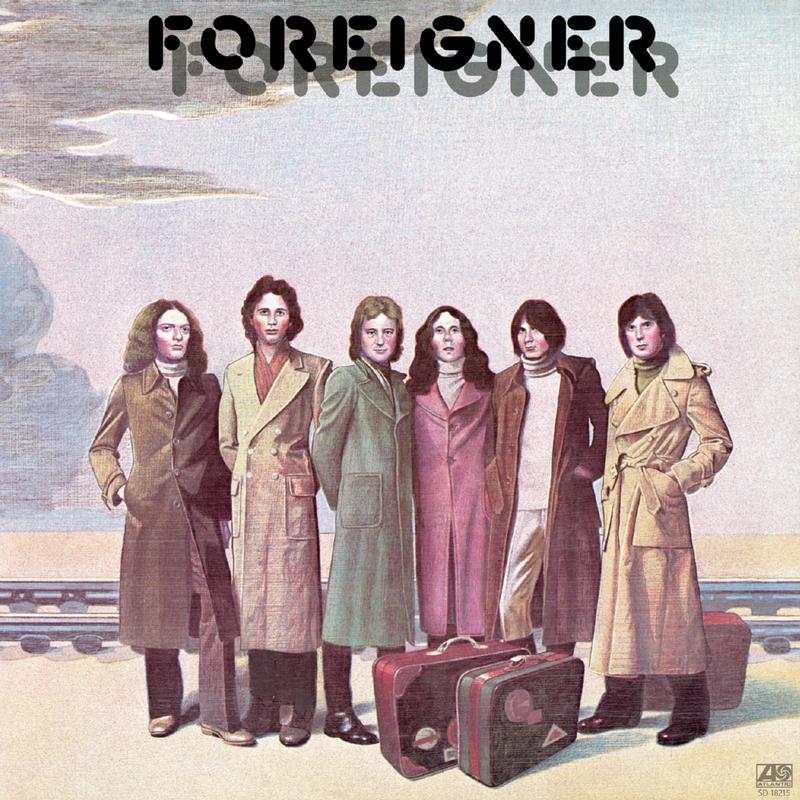
Feels Like the First Time opens a debut backed by considerable experience. Mick Jones had played with Spooky Tooth, Ian McDonald was a founding member of King Crimson, and Lou Gramm came from Black Sheep. Alongside keyboard player Al Greenwood, bassist Ed Gagliardi and drummer Dennis Elliott, they formed a new band in New York in 1976. Three Englishmen and three Americans gave the name Foreigner its meaning. Their backgrounds remained different, while the ten songs released on the 1977 debut show how quickly they could establish a shared musical language.
The beginning was not a straightforward success story. Jones needed the right line-up and, especially, a voice able to give his songs a distinct personality. He knew Gramm through Black Sheep recordings. At the audition, that voice met material already taking shape in Jones’ imagination. Both musicians later recalled this significant moment of connection in interviews. The group initially used the name Trigger before appearing on Atlantic as Foreigner.
John Kalodner championed the band at the label, with Feels Like the First Time making a particular impression. The song later reached number four on the American singles chart, followed by Cold as Ice at number six; the album itself also reached number four on the Billboard 200. Those songs became familiar enough to overshadow the rest of the record. Yet hearing all ten tracks is especially worthwhile. Flute, saxophone, piano, additional vocal parts and the players’ different musical histories expand the picture of an apparently straightforward guitar band.

Making a record between songs and the mixing desk
Gary Lyons and John Sinclair, both associated with London’s Sarm Studios, joined the project as producers. Recording took place in New York in late 1976 and early 1977. Atlantic Recording Studios is a documented location; memories and subsequent accounts disagree about another early studio. More significant to the album’s story is the work devoted to its final shape. An initial mix made in London was rejected. The released mix was created at Atlantic with Jimmy Douglass, Mick Jones and Ian McDonald.
Cold as Ice was a relatively late addition. Jones later described finding its defining riff at the piano at home. According to the participants’ recollections, the song was then recorded during a single night at Atlantic. That small story suits a piece whose piano figure immediately establishes a distinctive temperature and motion. It also cautions against assigning contributions according to an assumed division of band roles: Jones’ account does not attribute the famous figure to keyboard player Al Greenwood.
The six members offer more colours than a short list of voice, guitar, bass and drums would suggest. McDonald is credited with guitars, keyboards, horns and vocals; Greenwood with keyboards and synthesizers. Jones plays guitar and also takes vocal parts. Gagliardi and Elliott provide the rhythmic foundation, with Ian Lloyd contributing additional vocals. The album credits do not support a precise track assignment for every part. They do establish that a versatile group of musicians stands behind the songs’ direct impact.

Familiar choruses and less familiar voices
Starrider provides a particularly appealing change of perspective. Jones sings the verses while Gramm takes the choruses, an arrangement Gramm also described for Woman Oh Woman. Listeners who associate Foreigner primarily with a single commanding rock voice encounter another kind of vocal partnership here. The flute part in Starrider, attributed to McDonald in supplementary documentation, opens a space beyond the stronger guitar emphasis of the album’s opening tracks.
Headknocker and The Damage Is Done complete the first half before Long, Long Way from Home begins the second. McDonald’s songwriting contribution to that song is specifically credited, and supplementary personnel information also identifies his saxophone. The interest lies in how a horn colour becomes part of a concise rock song. It belongs within the movement of voice, keyboards and rhythm section. Even with a familiar track, following those instrumental answers to the singing can reveal another route through it.
At War with the World, Fool for You Anyway and I Need You carry the record’s changing emphases through to its conclusion. For collectors, the debut therefore offers more than several successful singles placed beside one another. It documents the first Foreigner line-up and its six distinct personalities. The melodies’ immediate impact belongs with the smaller characteristics of the arrangements. Giving the album its full running time allows the familiar songs to become parts of a larger sequence again.
The Atlantic 75 vinyl edition at 45 RPM
This release is Analogue Productions AAPA 008-45, part of the Atlantic 75 Series. The ten original tracks are spread across two 180-gram LPs running at 45 RPM. Their sequence is preserved, with each original album side divided between two new record sides. Demos subsequently added to other editions do not form part of this programme.
Ryan K. Smith at Sterling Sound is responsible for the mastering and lacquer cutting. The publisher identifies the original master tape as the source. Documented runouts carry “RKS STERLING”; additional “RE1” markings on several sides identify the cuts without, by themselves, explaining why those versions were made. The source description remains a publisher statement and is not expanded here into an independently verified guarantee of the entire production chain.
The edition is described as having a Stoughton Printing tip-on gatefold sleeve with two pockets and film lamination. Numbering and manufacture at Quality Record Pressings are documented for the first 2,000 copies. That does not promise a particular number or pressing batch for a supplied copy. The clearly described edition and complete debut programme give collectors a concrete basis for choosing it. The invitation within is to return to a band at the moment when its different experiences first became these ten songs. You order from Michael 45 in Germany. We arrange the US import and dispatch from Hilden.
Also on SACD: Foreigner
More by Foreigner: Head Games · 4
Customer questions: Atlantic 75: which titles are worth buying? · Buying Analogue Productions records in Europe
Series: Atlantic 75 Series – all 75 albums, time journey and the people behind Atlantic
Musicians
Participants and documented credit status. Track references correspond to the tracklist.
- Lou Grammlead vocals; choruses (verses sung by Jones) (A3, C2); percussionParticipation: Album personnel
- Mick Joneslead guitar, vocals; lead vocals, verses (A3, C2); piano (A2)Participation: Album personnel
- Ian McDonaldguitar, keyboards, horns, vocals; saxophone (C1); flute (A3); keyboards (A2, C1)Participation: Album personnel
- Al Greenwoodkeyboards, synthesizersParticipation: Album personnel
- Ed Gagliardibass, vocalsParticipation: Album personnel
- Dennis ElliottdrumsParticipation: Album personnel
- Ian Lloydbacking vocalsParticipation: Album personnel


Album credits do not mean that every instrument appears on every track. Documented track assignments are given beside the relevant roles; further assignments remain unconfirmed.
How Michael hears this edition
Listening impression · paraphrased from the video
Michael hears rich, full sound filling the room, with clear instrument separation, punch and dynamics. He explicitly says he could not compare this edition with a first pressing.

Reviews
There are no reviews yet.