George Marino spent decades at Sterling Sound in New York. On these shelves he stands behind Elvis, Sam Cooke and Getz/Gilberto as much as behind Miles Davis’ Seven Steps To Heaven.
This page lists every edition in the shop that credits him as mastering engineer.
Every edition in the shop
11 of 11 editions
All mastering engineers at a glance
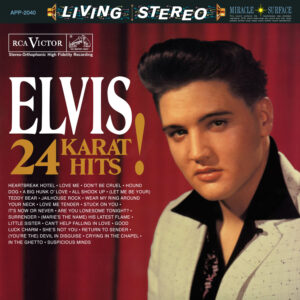
Elvis Presley - 24 Karat Hits
45 RPM · 180 Gram · AAPP 2040
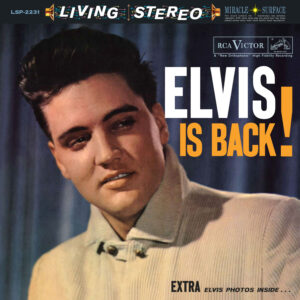
Elvis Presley - Elvis is Back
45 RPM · 200 Gram · AAPP 2231
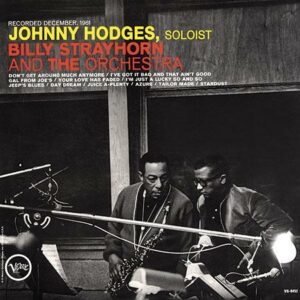
Johnny Hodges - Johnny Hodges With Billy Strayhorn
45 RPM · 180 Gram · AVRJ 8452-45
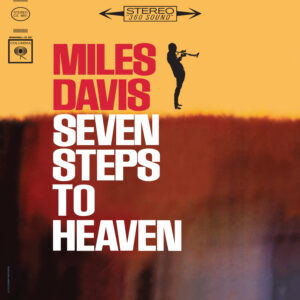
Miles Davis - Seven Steps To Heaven
45 RPM · 180 Gram · AAPJ 8851-45
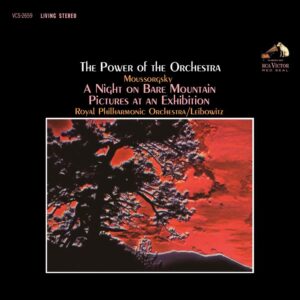
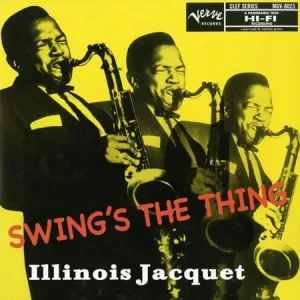
SACD Illinois Jacquet - Swing's The Thing (Mono)
CVRJ 8023 SA
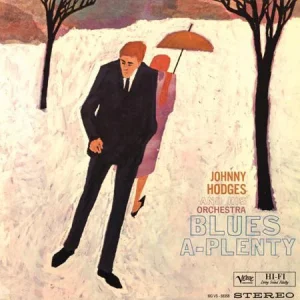
SACD Johnny Hodges - Blues A-Plenty
CVRJ 6123 SA
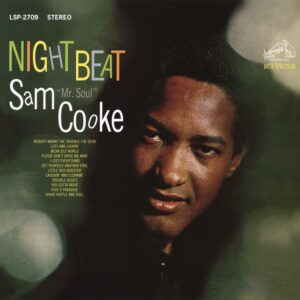
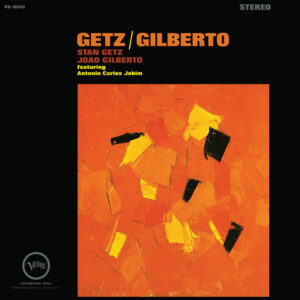
Stan Getz & Joao Gilberto - Getz and Gilberto
33⅓ RPM · 180 Gram · AVER 69001
Currently sold out
„Another classic from the UME series by Analogue Productions and Acoustic Sounds: Getz/Gilberto. A beautiful recording and pressing – an all-time classic. You can’t go wrong with this album and this version. Everything you want as an audiophile, this release has.“
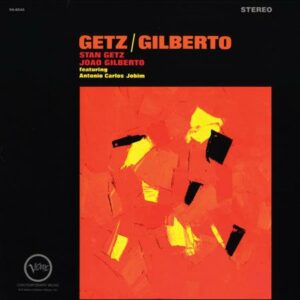
Stan Getz & Joao Gilberto - Getz and Gilberto
45 RPM · 180 Gram · AVRJ 8545-45
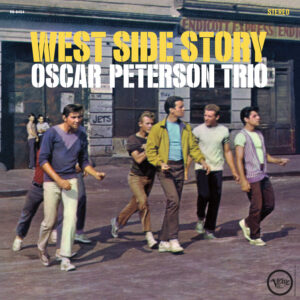
The Oscar Peterson Trio - West Side Story
45 RPM · 200 Gram · AVRJ 8454-45
Questions about mastering and this selection
Does this mastering credit apply to every edition of the album?
No. The credit belongs to the catalogue number shown in that row. Other pressings and formats of the same album may have been mastered by someone else.
Is this really everything you have from George Marino?
Yes. This page shows every published edition in the shop whose product page credits George Marino as mastering engineer — including the ones that are sold out right now. When a new record arrives, it appears here on its own.
Do all records by the same engineer sound alike?
The name alone cannot tell you that. The recording, the source used, the cut and the specific edition all matter too. This page helps you explore; it does not replace a listening comparison.
Why does a second name appear in some rows?
Because that edition was worked on together. We then name both people the way the publisher does, instead of crediting the work to one of them alone.
