Acoustic Sounds Series
The Acoustic Sounds Series has become a landmark of the modern vinyl revival because it gives major recordings the full attention of a dedicated audiophile production. This is music chosen for lasting value, handled by experienced mastering engineers and presented as a physical edition made to remain in a collection. Miles Davis’ Birth of the Blue, Sonny Rollins’ Way Out West, Ben Webster Meets Oscar Peterson and Art Pepper’s Gettin’ Together! show the breadth: decisive jazz sessions, superb ensembles and albums whose appeal has survived every change of format.
What defines the Acoustic Sounds approach?
The series is built around an all-analogue route wherever the recording and source permit it. Analogue tape is prepared for a new lacquer cut without inserting a digital stage, and QRP in Kansas handles manufacture of the 180-gram records. Chad Kassem supervises the programme, while mastering credits can include leading engineers working at specialist rooms. That title-by-title choice is part of the strength of the series: the production follows the recording rather than forcing every album through one preset recipe.
Presentation receives the same level of attention. Many releases use heavyweight tip-on jackets, often as gatefolds that restore photographs, notes and artwork to their intended scale. A collector can recognise the editions through the Acoustic Sounds Series credit, the catalogue number, the mastering details and the QRP manufacturing information. The result is far more meaningful than a generic “180-gram” sticker: source, cut, pressing and sleeve form one coherent project.
Jazz history in editions made for today
The catalogue moves naturally between Verve, Impulse!, Contemporary, Bluesville and related archives. It includes elegant small-group recordings, adventurous post-bop, vocal jazz and foundational blues. That range makes the category rewarding both for an established collection and for anyone building a serious jazz library from new pressings. These are albums to explore as music first, with the reassurance that the physical production has been considered from tape box to finished jacket.
There is also a curatorial pleasure in following the programme. Familiar cornerstones sit beside records ready for rediscovery, and the shared production standard lets very different sessions belong together on the shelf. A Webster ballad album, a Rollins soundtrack and an Art Pepper date may lead in different musical directions, yet each receives the focused treatment of a major release.
Michael 45 keeps the offered titles in Germany and ships from Hilden. Customers in Germany and the EU can therefore buy these American audiophile editions from a German warehouse instead of placing a US order and waiting for customs clearance. The shorter, clearer route is especially welcome with carefully made jackets and heavyweight records.
Frequently asked questions
What makes an Acoustic Sounds Series LP different from an ordinary 180-gram reissue?
Vinyl weight is only one element. These editions combine documented tape sources, dedicated mastering, specialist lacquer cutting, QRP production and carefully reproduced packaging.
Is every title mastered by the same engineer?
No. Engineers are selected for particular projects, and the individual credit is part of each release’s identity. The common thread is the analogue production philosophy.
Is the Acoustic Sounds Series the same as Analogue Productions?
No. Analogue Productions is a reissue label. The Acoustic Sounds Series includes collaborative programmes with major catalogue owners, supervised within the wider Acoustic Sounds production world.
Are these records 33⅓ or 45 RPM?
The principal jazz series is generally issued at 33⅓ RPM, while related audiophile projects can use other formats. Michael 45 lists the speed and disc configuration for the specific edition.
Showing 1–16 of 37 results
-
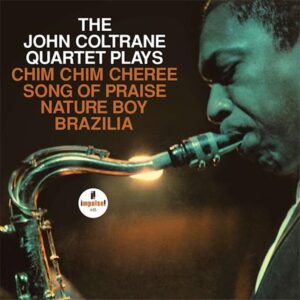
In stock
✓ Usually ships within 1-2 business days
John Coltrane QuartetThe John Coltrane Quartet Plays
Impulse (Acoustic Sounds Series) · 33⅓ RPM · 180g
44,00 € incl. VATFour pieces at a turning point A song from Mary Poppins, a composition made famous by Nat King Cole and two originals form the programme of The John Coltrane Quartet…
-
 Sold out
Lightnin' Hopkins with Sonny TerryLast Night Blues
Bluesville (Acoustic Sounds Series) · 33⅓ RPM · 180g
39,00 € incl. VATView detailsTexas blues in Englewood Cliffs On October 26, 1960, Lightnin’ Hopkins and Sonny Terry meet at the Van Gelder Studio in Englewood Cliffs. Hopkins brings guitar and vocals, Terry his…
-
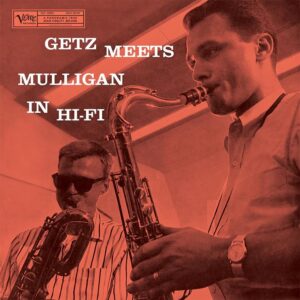
In stock
✓ Usually ships within 1-2 business days
Stan Getz & Gerry MulliganGetz Meets Mulligan In Hi-Fi (Mono)
Verve (Acoustic Sounds Series) · 33⅓ RPM · 180g
42,00 € incl. VATFirst, exchange instruments Stan Getz plays tenor and Gerry Mulligan plays baritone: that familiar association is part of how listeners identify the two musicians. Getz Meets Mulligan in Hi-Fi begins…
-
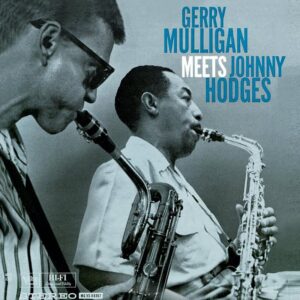
In stock
✓ Usually ships within 1-2 business days
Gerry Mulligan & Johnny HodgesGerry Mulligan Meets Johnny Hodges
Verve (Acoustic Sounds Series) · 33⅓ RPM · 180g
44,00 € incl. VATTwo tunes for “Rabbit” “Bunny” and “18 Carrots for Rabbit” are not arbitrary titles. Johnny Hodges was known among musicians as “Rabbit,” and Gerry Mulligan used the nickname for two…
-
In stock
✓ Usually ships within 1-2 business days
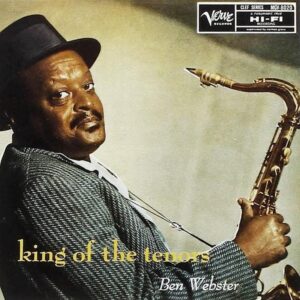
Ben WebsterKing Of The Tenors (Mono)
Verve (Acoustic Sounds Series) · 33⅓ RPM · 180g
42,00 € incl. VATBefore the record acquired its royal title When these recordings appeared on Norgran in 1954, the album was called The Consummate Artistry of Ben Webster. It became King of the…
-
Low stock
✓ Usually ships within 1-2 business days
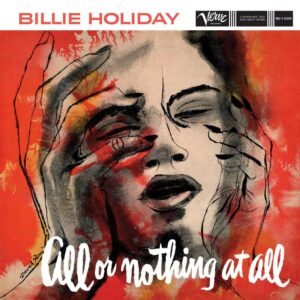
Billie HolidayAll Or Nothing At All (Mono)
Verve (Acoustic Sounds Series) · 33⅓ RPM · 180g
44,00 € incl. VATFamiliar songs, individual decisions A familiar standard gives you something useful when listening to Billie Holiday: a melody against which to follow her decisions. All or Nothing at All brings…
-
 Sold out
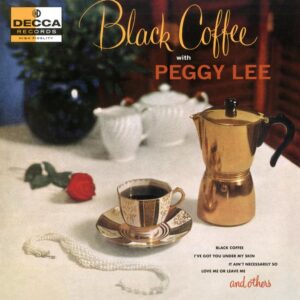
Peggy LeeBlack Coffee (Mono)
Decca (Acoustic Sounds Series) · 33⅓ RPM · 180g
44,00 € incl. VATView detailsA small ensemble, a full album Peggy Lee’s original Black Coffee sessions use a compact group: trumpet, piano, bass and drums around the singer. Recorded for Decca in 1953, they…
-
In stock
✓ Usually ships within 1-2 business days
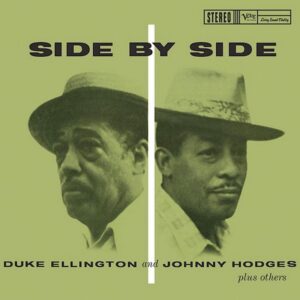
Duke Ellington & Johnny HodgesSide By Side
Verve (Acoustic Sounds Series) · 33⅓ RPM · 180g
44,00 € incl. VATTwo sessions behind two famous names Side by Side brings together recordings from two New York sessions in 1958 and 1959. Johnny Hodges is their shared centre. Duke Ellington plays…
-
Low stock
✓ Usually ships within 1-2 business days
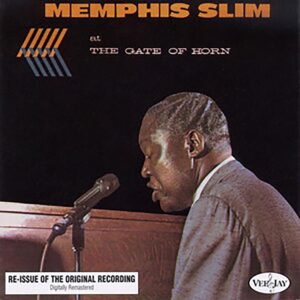
Memphis SlimMemphis Slim At The Gate Of Horn (Remastered)
Bluesville (Acoustic Sounds Series) · 33⅓ RPM · 180g
42,00 € incl. VATA club name, a studio session At the Gate of Horn sounds like the title of a concert recording. In fact, the album was made during a Chicago studio session…
-
Low stock
✓ Usually ships within 1-2 business days
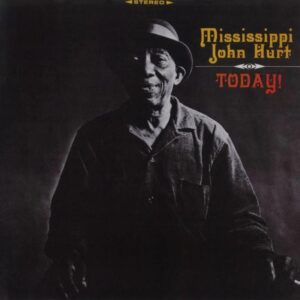
Mississippi John HurtToday!
Bluesville (Acoustic Sounds Series) · 33⅓ RPM · 180g
42,00 € incl. VATA quiet return Decades separate Mississippi John Hurt’s first records from his rediscovery. He recorded for OKeh in 1928, then spent many years working outside the music business. In the…
-
 Sold out
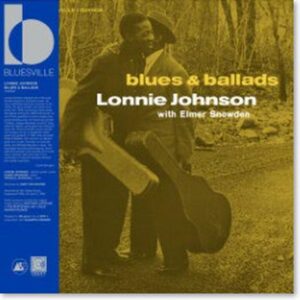
Lonnie JohnsonBlues & Ballads
Bluesville (Acoustic Sounds Series) · 33⅓ RPM · 180g
42,00 € incl. VATView detailsTwo guitars and a long musical memory Lonnie Johnson’s recording history reaches far back beyond the LP era. In 1927 he was already recording with Louis Armstrong’s Hot Five. On…
-
 Sold out
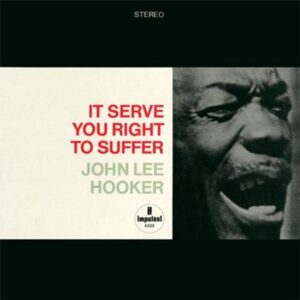
John Lee HookerIt Serve You Right To Suffer
Verve (Acoustic Sounds Series) · 33⅓ RPM · 180g
44,00 € incl. VATView detailsHooker meets a jazz rhythm section On 23 November 1965, John Lee Hooker recorded in New York with musicians experienced in jazz and studio work. Barry Galbraith supplied the second…
-
In stock
✓ Usually ships within 1-2 business days
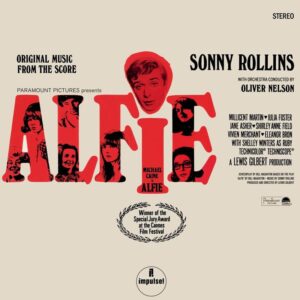
Sonny RollinsAlfie (Original Music From The Score)
Verve (Acoustic Sounds Series) · 33⅓ RPM · 180g
44,00 € incl. VATA film commission becomes a jazz album Sonny Rollins' Alfie begins with a distinction that helps explain the record. Rollins recorded musical sketches in London in 1965 for Lewis Gilbert's…
-
Low stock
✓ Usually ships within 1-2 business days
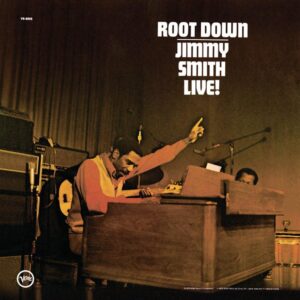
Jimmy SmithRoot Down
Verve (Acoustic Sounds Series) · 33⅓ RPM · 180g
44,00 € incl. VATAn evening between jazz and funk By the time Jimmy Smith was recorded in Los Angeles on February 8, 1972, he had long established the Hammond organ as an independent…
-
In stock
✓ Usually ships within 1-2 business days
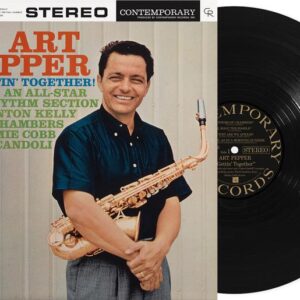
Art PepperGettin' Together!
Contemporary Records (Acoustic Sounds Series) · 33⅓ RPM · 180g
39,00 € incl. VATA sequel with new partners Three years after Art Pepper Meets The Rhythm Section, Art Pepper returned to a related idea. For Gettin’ Together!, he again joined musicians from Miles…
-
In stock
✓ Usually ships within 1-2 business days
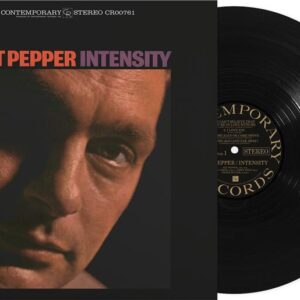
Art PepperIntensity
Contemporary Records (Acoustic Sounds Series) · 33⅓ RPM · 180g
39,00 € incl. VATBetween recording and release Intensity was recorded in November 1960 but did not appear on Contemporary Records until 1963. That separation matters when placing the music in Art Pepper’s career.…
