
A record built from other records
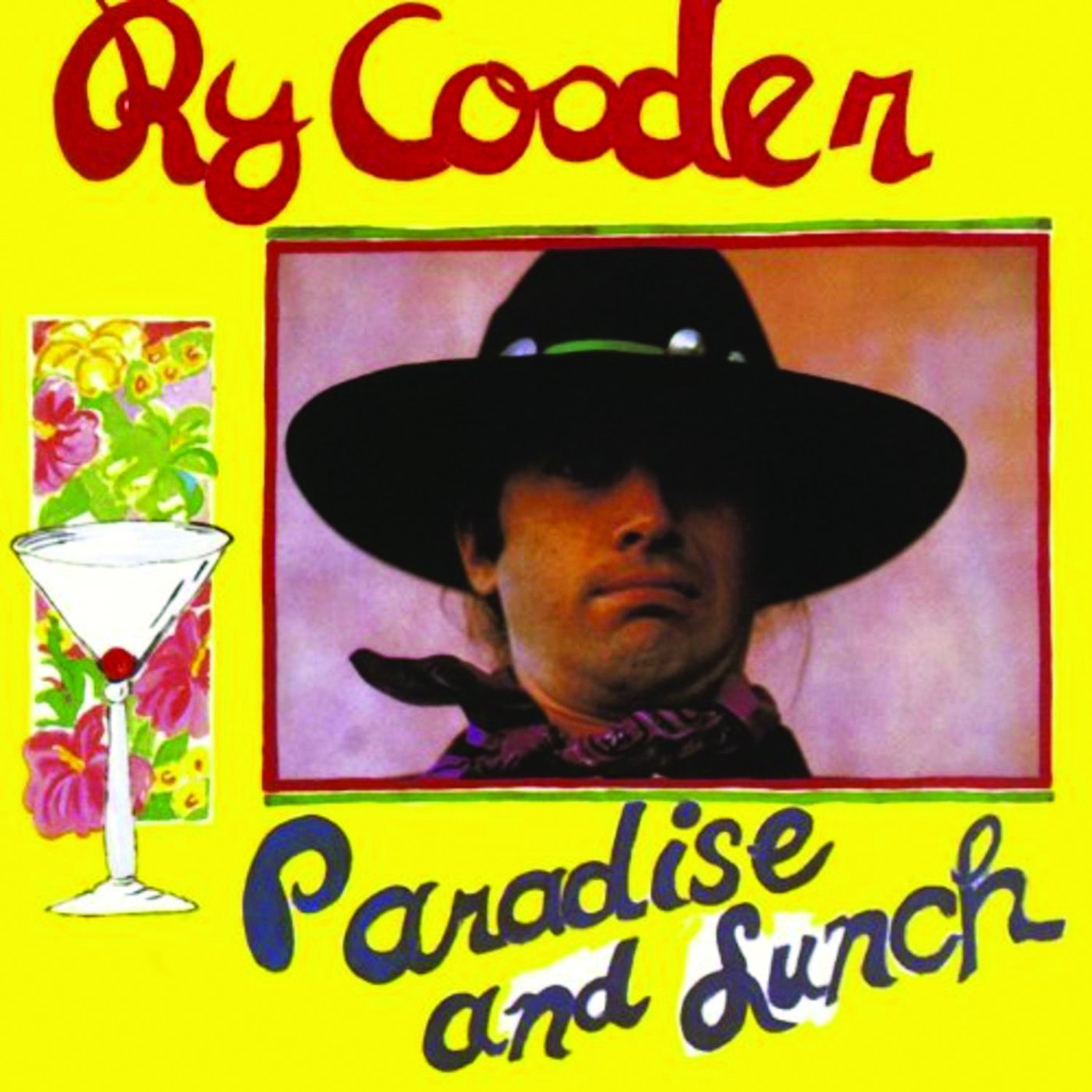
On Paradise and Lunch, Ry Cooder approaches musical tradition as material that remains open to new possibilities. His fourth studio album, released in 1974, brings together gospel, blues and rhythm and blues without turning the programme into a chronological lesson. “Tamp ’Em Up Solid”, “Jesus on the Mainline” and “Mexican Divorce” arrive from different contexts. Cooder places them alongside one another and explores what a new group of musicians can do with them.
Russ Titelman and Lenny Waronker produced the album. It was recorded at Warner Brothers in North Hollywood and at Burbank Studios, with Lee Herschberg engineering. Cooder sings and plays guitar and mandolin. His personal contribution is located not only in instrumental performance, but also in selection, adaptation and the relationships created within an ensemble.

Familiar songs in new company
“It’s All Over Now” sits between “Jesus on the Mainline” and the medley “Fool for a Cigarette / Feelin’ Good”. Those changes of context are part of the record’s construction. A song acquires different associations from the pieces that precede and follow it. The album can therefore be heard as a considered sequence in which the connections between tracks matter alongside the individual selections.
The personnel include Jim Keltner and Milt Holland on drums and percussion, Ronnie Barron on piano and organ, and additional bass and horn players. Plas Johnson contributes alto saxophone and Oscar Brashear cornet. This range of instruments offers different ways of accompanying the material; it does not mean that every credited musician plays on every track.

Ending with a piano conversation
The album’s distinctive guest appears on its final number. Earl “Fatha” Hines plays piano in a duet with Cooder on “Ditty Wa Ditty”. Two musical biographies meet directly in that performance. The smaller ensemble provides a different framework from the larger groups heard elsewhere. Rather than ending by adding more players, the record closes with a concentrated encounter between two.
That final change of scale gives a good reason to follow all nine selections in order. The programme moves through different combinations before arriving at two musicians shaping a song together. Listen to the relationship between guitar and piano phrases: where does one instrument take the lead, and where does the other respond?
This edition
Analogue Productions’ AAPR 020-45 belongs to the Acoustic Sounds 40 Series. The nine original tracks are presented on two 180-gram LPs at 45 RPM, pressed at QRP and packaged in a Stoughton tip-on gatefold. The publisher names the original master tape as its source but does not identify a title-specific mastering engineer or document the complete transfer chain. Credits for the earlier 33⅓-RPM Speakers Corner LP refer to a different edition and do not establish the production details of this one.
Also on SACD: Paradise And Lunch
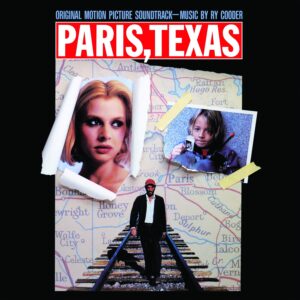
More by Ry Cooder: Paris, Texas · Buena Vista Social Club
Customer question: Buying Analogue Productions records in Europe
Series: Acoustic Sounds 40th Anniversary – all 25 albums, recommendations and musicians
Musicians
Documented selection of participating musicians. Personnel may vary by track; this list does not claim to be complete.
| Name | Instrument / role |
|---|---|
| Ry Cooder | Mandolin, Vocals, Guitar |
| Milt Holland | Percussion, Drums |
| Jim Keltner | Drums |
| Russ Titelman | Electric bass |
| Chris Ethridge | Electric bass |
| Ronnie Barron | Piano, Organ |
| Red Callender | Electric bass |
| John Duke | Electric bass |
| Plas Johnson | Alto saxophone |

Reviews
There are no reviews yet.