Four musicians, no unnecessary detours
A guitar can deliver a riff. It can also sound like an engine starting and set the entire band in motion before the song has properly begun. “Bad Motor Scooter” is one of those moments when Ronnie Montrose does more than accompany a composition: he invents its entrance. The debut thrives on that kind of clear idea, with direct riffs and a group that knows where to concentrate its energy.
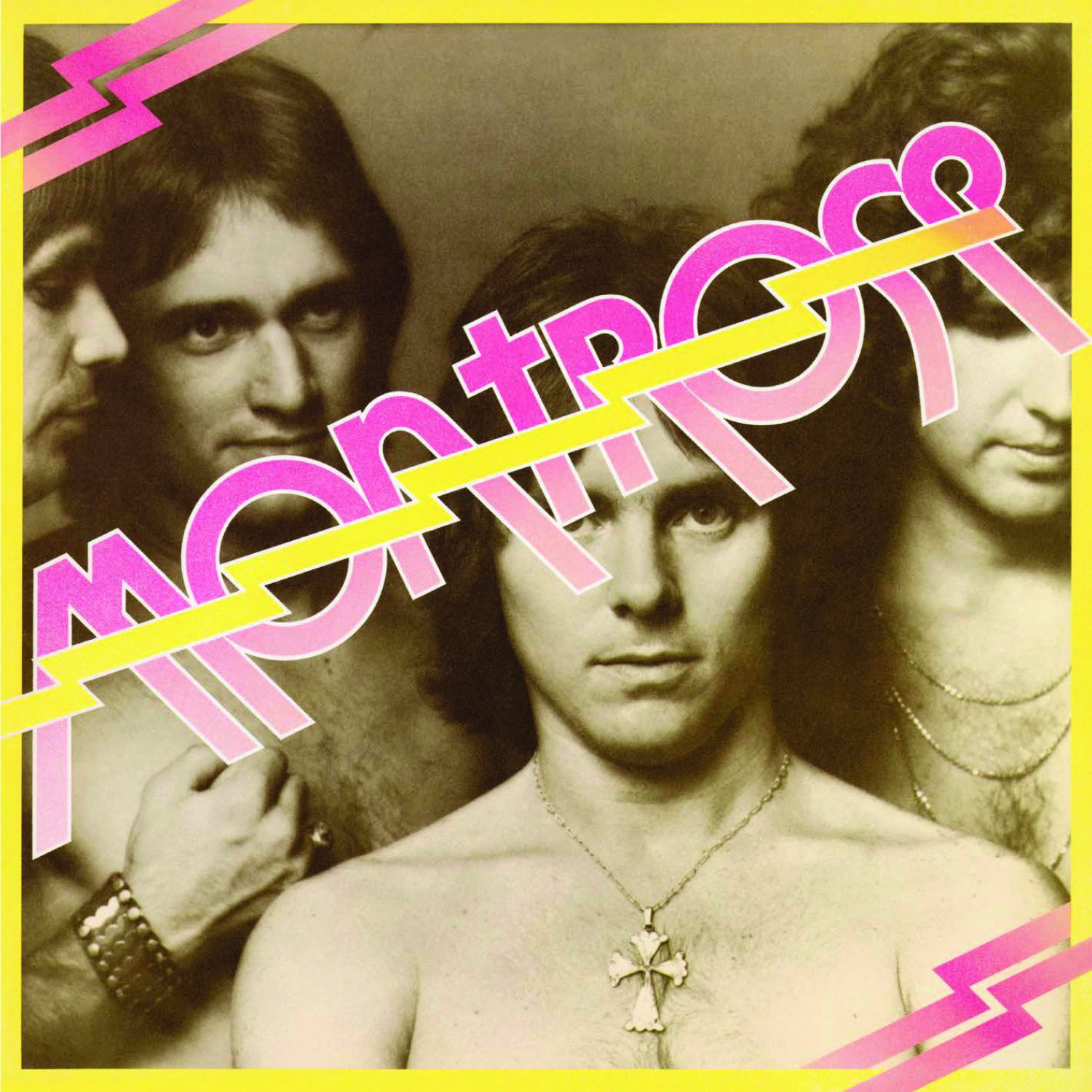
In 1973, that group brought together Ronnie Montrose on guitar, Sammy Hagar on vocals, Bill Church on bass and Denny Carmassi on drums. Eight tracks are enough to establish their roles. Hagar has room for his voice, the guitar remains immediate, and bass and drums supply more than weight. In a band this lean, small rhythmic choices become especially consequential.

Experience behind a first album
Ronnie Montrose was not starting from nowhere. He had already worked with Van Morrison and Edgar Winter before putting a band under his own name. Here, studio experience meets the appetite of a new group. It is a productive combination: the record’s directness should not be mistaken for a lack of knowledge about how recordings are made.
Ted Templeman produced and Donn Landee handled recording engineering. Both names would subsequently appear on Van Halen’s debut. The connection is therefore more concrete than a vague resemblance between two American hard-rock records. There is a real line of personnel to follow, with Sammy Hagar becoming part of Van Halen’s history himself much later.

“Rock Candy” starts with the drums
Concentrating only on the guitars means missing part of the pleasure. “Rock Candy” is credited to all four members, and its drum opening puts the foundation in front of the voice. Follow Carmassi’s accents and the bass as musical parts in their own right. The riff does not generate its force independently; the band gives it a body.
“Good Rockin’ Tonight” supplies another connection, this time to Roy Brown and an earlier rhythm-and-blues tradition. Among the original songs is a piece that makes the music’s ancestry explicit. Hard rock is not being invented outside history. An existing vocabulary of rhythm, emphasis and physical movement is being charged with fresh energy.
A compact record with a long reach
“Rock the Nation”, “Space Station #5”, “Bad Motor Scooter” and “Make It Last” offer different points of attack without breaking the album’s concentration. It works as an immediate burst of energy. It becomes still more interesting when you follow the route from a memorable opening into a complete song: when is the riff enough, when does a vocal melody take over, and when does a break change the pressure?
This 45 RPM edition places the eight tracks across four sides, two songs per side. Each pairing is easy to take in as a small sequence. That is a practical feature of this pressing rather than a substitute for its musical appeal: the debut’s compact drama is encountered in four concentrated stages, with each new side offering a fresh point of entry.
More from the series: Acoustic Sounds 40th Anniversary Series
Also on SACD: Montrose
Customer question: Buying Analogue Productions records in Europe
Series: Acoustic Sounds 40th Anniversary – all 25 albums, recommendations and musicians
Musicians
Personnel checked against album sources.
- Sammy HagarVocals
- Ronnie MontroseGuitar
- Bill ChurchBass
- Denny CarmassiDrums


How Michael hears this edition
Listening impression · paraphrased from the video
Compared with first German and French pressings, Michael hears more detail, richness, punch and clarity. The guitars especially benefit from the cleanly resolved midrange of the AP 45.
🎧 Review video: 5 Legendary Reissues: Before Van Halen, Pulp Fiction & Rolling Stones Name
This video is hosted by YouTube (Google). It only loads once you switch on “Functional” in the cookie settings.

Reviews
There are no reviews yet.