A change of setting
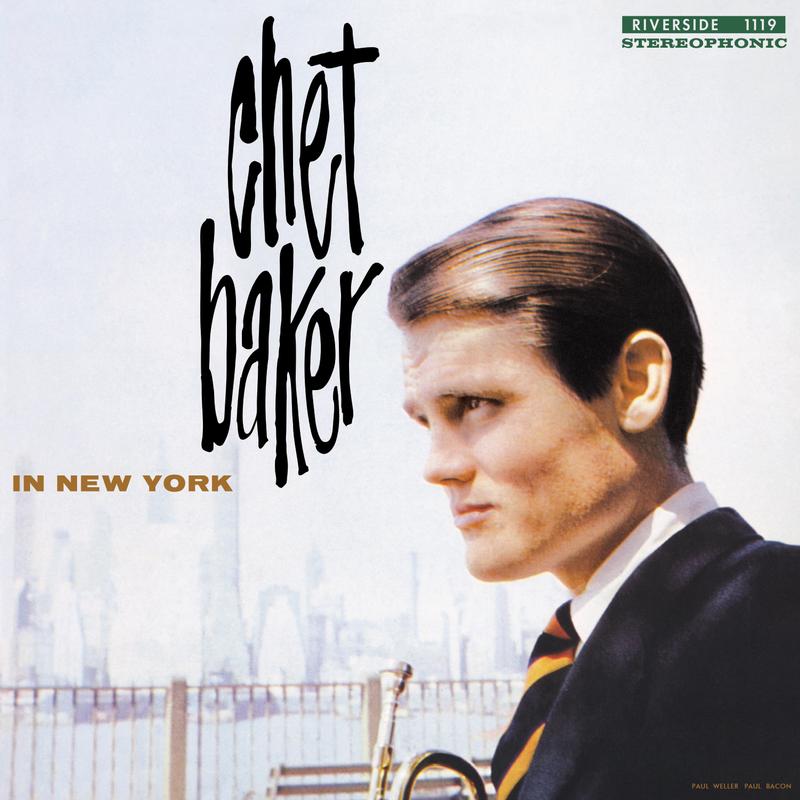
Chet Baker in New York places a trumpeter closely associated with California in a different musical environment. At Reeves Sound Studios in 1958, Baker joins pianist Al Haig, bassist Paul Chambers and drummer Philly Joe Jones. Tenor saxophonist Johnny Griffin adds a second horn on three of the six selections. That changing instrumentation gives the album a useful thread to follow.
Producer Orrin Keepnews and engineer Jack Higgins oversee the Riverside session. The title identifies a place of work as well as a musical encounter. Baker brings his own approach into the room; the interest lies in how it meets these particular partners. Moving between quartet and quintet allows the record to explore more than one kind of exchange.

With and without Johnny Griffin
Griffin appears on “Fair Weather”, “Hotel 49” and “Blue Thoughts”. Benny Golson wrote both “Fair Weather” and “Blue Thoughts”. Listen for the relationship between the two horns, then compare the group's balance with the tracks where trumpet stands alone in front of the rhythm section. The distribution itself provides a reason to hear the complete sequence.
“Polka Dots and Moonbeams” is one of those quartet performances. Baker shares the space with Haig, Chambers and Jones. Follow the melody, then shift your attention towards the accompaniment: where does the piano respond, how does the bass guide the harmony, and what does the drummer contribute to the movement of a phrase? This compact group makes those separate responsibilities easy to recognise.

Six selections across four sides
“Hotel 49” occupies an entire side of this edition. At nearly ten minutes, it is the original album's longest performance. The second record pairs “Solar” with “Blue Thoughts”, leaving “When Lights Are Low” to the final side. The arrangement gives the longer performances distinct spaces while preserving the original programme.
Baker appears here entirely as an instrumentalist. For listeners who know him mainly as a singer, the album offers another route into his work: themes, improvisation and the relationships within a jazz ensemble. The movement between one horn and two supplies a clear point of reference. Returning to the record makes it possible to notice where the accompanying musicians redirect the conversation, and how the same rhythm section adapts to each setting.
This edition
AAPJ 206-45 belongs to the Analogue Productions Fantasy 45 Series. Its two 180-gram LPs play at 45 RPM and are pressed at Quality Record Pressings. The mastering is credited to Kevin Gray and Steve Hoffman at AcousTech Mastering. A Stoughton tip-on gatefold with a matte finish houses the records. The edition contains the original album's six selections.
More by Chet Baker: Baker’s Holiday
Customer question: Buying Analogue Productions records in Europe
Musicians
Documented selection of participating musicians. Personnel may vary by track; this list does not claim to be complete.
| Name | Instrument / role |
|---|---|
| Chet Baker | Trumpet |
| Johnny Griffin | Tenor saxophone |
| Al Haig | Piano |
| Paul Chambers | Bass |
| Philly Joe Jones | Drums |
How Michael hears this edition
Listening impression · paraphrased from the video
Michael highlights Chet Baker’s crystal-clear, powerful, direct trumpet sound from the outset. His assessment concerns the AP 45 RPM edition discussed.
🎧 Review video: 8 Amazing New Reissues you want in your Collection
This video is hosted by YouTube (Google). It only loads once you switch on “Functional” in the cookie settings.


Reviews
There are no reviews yet.