Two rhythm sections on one record
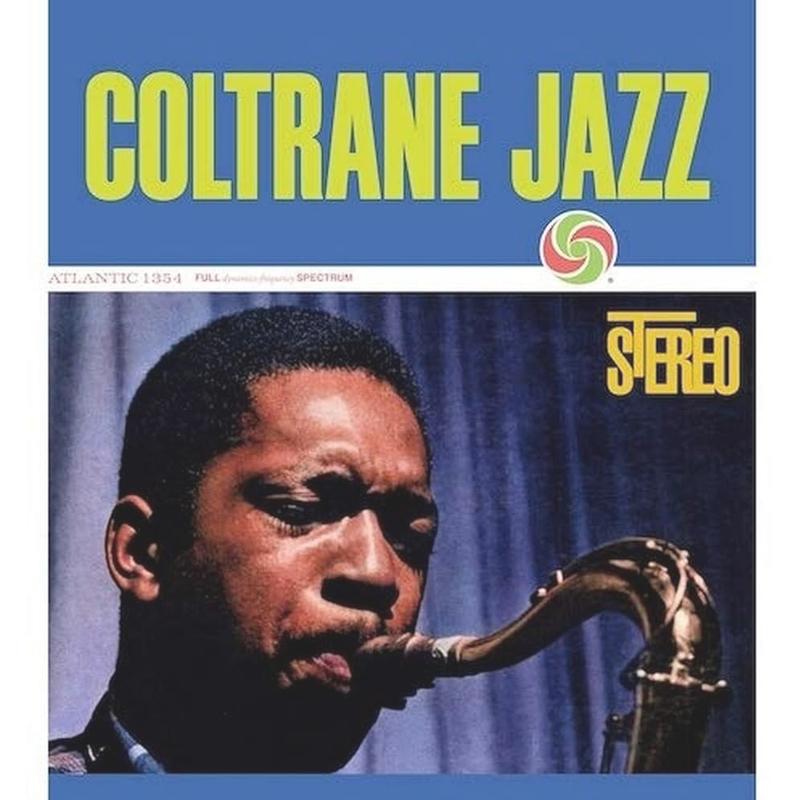
Coltrane Jazz appeared in 1961, but its music comes from two different phases. Seven tracks were recorded in November and December 1959 with Wynton Kelly, Paul Chambers and Jimmy Cobb, the rhythm section John Coltrane knew from Miles Davis’ band. An eighth, “Village Blues”, was recorded in October 1960 with McCoy Tyner, Steve Davis and Elvin Jones.
The album therefore brings familiar collaboration together with the beginning of something new. Coltrane plays tenor saxophone on these recordings. The change to follow concerns the musicians around him: how does the piano respond to a line, and how do bass and drums distribute movement and stillness beneath it?

A salute to Sonny Rollins
“Like Sonny” names its inspiration in the title. Coltrane takes a turn of phrase he had heard Sonny Rollins play and develops it into a composition of his own. The connection leads to Rollins’ recording of “My Old Flame” on Jazz Contrasts. A small phrase, closely heard, becomes a personal response.
Five Coltrane compositions sit alongside three standards: “Little Old Lady”, “My Shining Hour” and “I’ll Wait and Pray”. Familiar song forms provide a particularly clear framework for Wynton Kelly’s accompaniment. Listen to his brief interjections and to the way Coltrane develops longer thoughts over that flexible foundation.

Wynton Kelly and a glimpse ahead
Kelly, Chambers and Cobb shape most of the album, making “Village Blues” all the more interesting. Tyner and Jones already point towards the quartet that would define Coltrane’s coming years, although Steve Davis is still the bassist here. The change of personnel occurs within the same release, making comparison unusually immediate.
“Harmonique” offers another route into the music. Coltrane explores multiphonics on the saxophone and investigates his instrument’s possibilities. That experiment sits alongside lyrical standard playing without the album drawing a firm boundary between them. Nesuhi Ertegun produces; Tom Dowd and Phil Iehle belong to the engineering team. Coltrane’s curiosity about melody, sound and conversation with his fellow musicians holds the programme together.
The 45 RPM edition
Analogue Productions releases AAPA 062-45 in its Atlantic 75 series as two 180-gram LPs at 45 RPM, pressed at QRP and housed in a Stoughton tip-on gatefold. This is the eight-track stereo album, including “Village Blues” and “Harmonique”. The publisher’s product page does not identify a specific tape source.
Michael 45 stores the goods in Germany and dispatches from Hilden, so European collectors need not organise a personal US import or wait for customs processing.
Also on SACD: Coltrane Jazz
More by John Coltrane: Coltrane Plays The Blues · Coltrane’s Sound
Artist page: All titles by John Coltrane
Customer questions: Atlantic 75: which titles are worth buying? · Buying Analogue Productions records in Europe
Series: Atlantic 75 Series – all 75 albums, time journey and the people behind Atlantic
Musicians
Documented selection of participating musicians. Personnel may vary by track; this list does not claim to be complete.
| Name | Instrument / role |
|---|---|
| John Coltrane | Tenor saxophone |
| Paul Chambers | Bass |
| Wynton Kelly | Piano |
| Jimmy Cobb | Drums |
| McCoy Tyner | Piano |
| Steve Davis | Bass |
| Elvin Jones | Drums |
McCoy Tyner, Steve Davis and Elvin Jones play on “Village Blues”. Cedar Walton and Lex Humphries from the earlier “Like Sonny” session are not assigned to this LP.
🎧 Review video: 5 Amazing new Reissues + 1 UHQR + 1 Grail of a Boxset
This video is hosted by YouTube (Google). It only loads once you switch on “Functional” in the cookie settings.

Reviews
There are no reviews yet.