
The Velvet Underground open up their songs
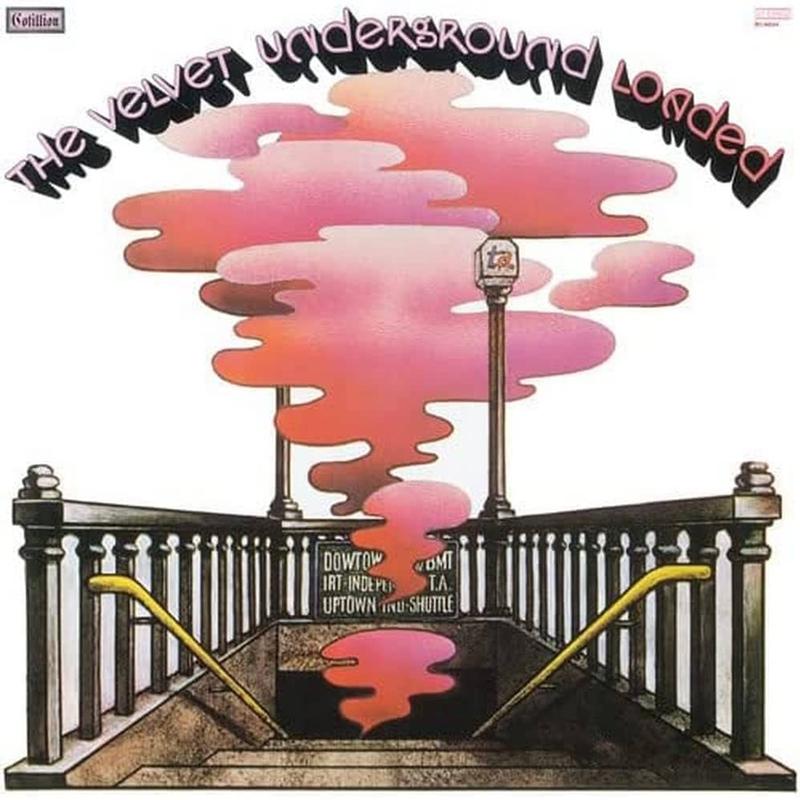
New York, 1970: Loaded takes shape at Atlantic Studios between April and August. Released by Cotillion, the Velvet Underground’s fourth studio album places its songs firmly in the foreground. “Sweet Jane” and “Rock & Roll” are among the best-known results of this period. That immediate accessibility changes the perspective on a group whose name is often associated first with rock’s experimental edges. Here, a clear melody and a relatively direct song form can contain a remarkable amount of individual character.
Lou Reed writes the songs, but the recording is made by an ensemble whose responsibilities shift. Doug Yule takes on a substantial share of the instrumental work and sings several selections. Sterling Morrison contributes guitar. Production is credited to Geoffrey Haslam, Shel Kagan and the band. Loaded therefore depends both on the strength of its writing and on decisions made in the studio. Looking at the actual roles helps explain how those two layers meet within the finished record.

Doug Yule behind the melodies
Yule is a bassist, singer and multi-instrumentalist here. His contributions also include piano, organ, guitars and drums on individual tracks. He sings lead on “Who Loves The Sun,” “New Age,” “Lonesome Cowboy Bill” and “Oh! Sweet Nuthin’,” while Reed handles the other six songs. The changing voices are already part of the album’s shape. Listening for that exchange reveals different ways of carrying a song beneath a surface that can initially feel entirely unified.
The drum credits deserve equal care. Tommy Castanaro and Billy Yule participate, while some additional track assignments remain inconsistent across the sources. Although named on the original sleeve, Maureen Tucker did not play on these recordings because of her pregnancy. The personnel on the finished music should therefore not simply be equated with the familiar band lineup. Loaded shows how a record can emerge from several combinations. Its continuity comes from the songs, the shared vocabulary and the work invested in their individual parts.

“Sweet Jane” is only a beginning
“Who Loves The Sun” opens the album before “Sweet Jane” and “Rock & Roll.” “Cool It Down” and “New Age” follow. The second half moves through “Head Held High,” “Lonesome Cowboy Bill” and “I Found A Reason” to “Train Round The Bend” and “Oh! Sweet Nuthin’.” This sequence offers much more than a route between familiar favourites. It allows direct momentum, storytelling and more patiently developed passages to sit alongside one another, with each song contributing another aspect to the whole.
One inviting listening approach is to concentrate on transitions. How does a change of singer alter the relationship to a lyric? When does an accompanying figure become a defining motif? How much effect is created through repetition? These questions suit an album whose clarity can conceal the care with which its parts are placed. Loaded is easy to enjoy immediately and rewarding to know more closely. Its melodic openness and distinctive character reinforce one another, making accessibility part of its lasting musical strength.
Atlantic 75 on two 45 RPM LPs
Analogue Productions’ AAPA 034-45 belongs to the Atlantic 75 Series. It spreads the stereo album across two 180-gram LPs playing at 45 RPM. Ryan K. Smith handled mastering and lacquer cutting at Sterling Sound, with the publisher describing mastering directly from the original master tape. Four record sides give the album a different physical arrangement: “Who Loves The Sun,” “Sweet Jane” and “Rock & Roll” occupy the first, while the final two selections share side D.
The package includes a Stoughton Printing tip-on gatefold with two pockets. The first 2,000 copies were numbered and pressed at Quality Record Pressings; the series specifies QRP or RTI for subsequent pressings. Numbering is therefore not promised for every copy. This edition directs attention towards an album whose songs have established their own durability. Returning to Loaded as a complete work reveals substantial craftsmanship behind the familiar entrances, and a band reorganising its means of expression around the possibilities of the song.
You order from Michael 45 in Germany. We arrange the US import and dispatch from Hilden.
Customer questions: Atlantic 75: which titles are worth buying? · Buying Analogue Productions records in Europe
Series: Atlantic 75 Series – all 75 albums, time journey and the people behind Atlantic
Musicians
Participants and documented credit status. Track references correspond to the tracklist.
- Lou Reedlead vocals, guitarParticipation: Album personnel
- Doug Yulebass, lead vocals, drums, piano, organ, keyboards, fuzz bass, lead guitar, guitar, acoustic guitarParticipation: Album personnel
- Sterling MorrisonguitarParticipation: Album personnel
- Tommy CastanarodrumsParticipation: B1, C1
- Billy YuledrumsParticipation: C2, D2


Lou Reed (vocals, guitar; lead vocals on A2, A3, B1, C1, C3, D1) · Doug Yule (bass; lead vocals on A1, B2, C2, D2; also piano, organ, guitar and, on individual tracks, drums, incl. A2, A3, B2) · Sterling Morrison (guitar) · Tommy Castanaro (drums; B1, C1) · Billy Yule (drums; C2, D2) · Adrian Barber (drums; A1 according to the encyclopedia, per Doug Yule A1 by either Barber or Yule). Maureen Tucker is credited with drums on the original sleeve but, according to Doug Yule, the encyclopedia and the specialist press, does not play on the album because she was pregnant. Track assignments follow Doug Yule’s own breakdown (1996); drums on C3 and D1 are not clearly documented. Recorded April to August 1970 at Atlantic Studios, New York. Produced by Geoffrey Haslam, Shel Kagan and The Velvet Underground · Recording engineers: Adrian Barber, Geoffrey Haslam · Mix: Geoffrey Haslam · Cover: Stanisław Zagórski · Mastering and lacquer cutting for this edition: Ryan K. Smith, Sterling Sound · Pressed at Quality Record Pressings. Series pressing specification: first 2,000 at QRP, later copies at QRP or RTI.
How Michael hears this edition
Listening impression · paraphrased from the video
Michael highlights the clear separation and space between instruments. He hears many details and particularly praises the presentation of Lou Reed’s voice on this Atlantic 75 edition.

Reviews
There are no reviews yet.