More colors behind the heavy guitars
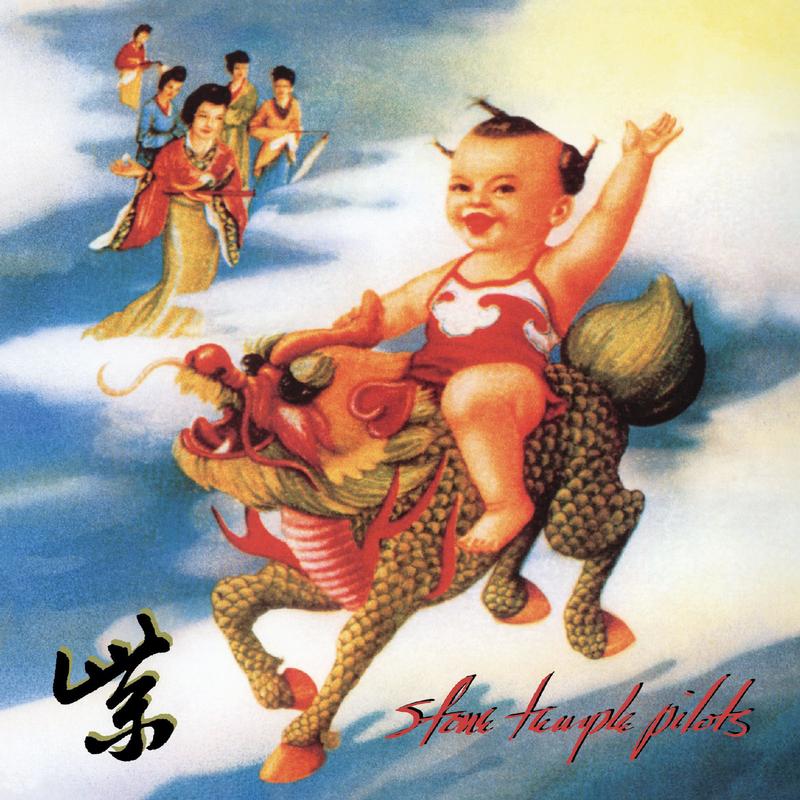
On Purple, Stone Temple Pilots give their songs more freedom to move. The 1994 second album retains the heavy guitars associated with Core, while making room for acoustic passages, unexpected chord changes and a singer who adjusts his role from track to track. “Meatplow” and “Vasoline” can suggest a solid wall of sound. By “Interstate Love Song”, the melodic flexibility behind that surface is impossible to miss. The band expands its vocabulary without expanding its permanent lineup.
Scott Weiland sings, Dean DeLeo plays guitar, Robert DeLeo plays bass and Eric Kretz handles drums. Brendan O’Brien returned as producer. The group recorded most of the album in Atlanta, with individual songs originating earlier. That staggered development does not make it feel like a bundle of unrelated recordings. Recurring textures and the four musicians’ identities connect the material, while the arrangements deliberately take different paths. The movement between density and openness gives the sequence much of its momentum.

A radio favorite with an unexpected beginning
Robert DeLeo recalled “Interstate Love Song” beginning on a nylon-string guitar in an RV, with something of a bossa nova feel. It is a useful listening clue: beneath the instantly recognizable guitar figure lies harmonic movement that does not depend entirely on heavy rock riffs. Weiland places a vocal melody above it that follows those turns. The song feels immediate, yet that apparent simplicity comes from carefully interlocking parts rather than a lack of detail in the writing.
“Big Empty” had already appeared on The Crow soundtrack. Its restrained passages and forceful chorus demonstrate another way of building tension. “Pretty Penny”, meanwhile, brings the group’s acoustic side forward. Anyone approaching Purple mainly through “Vasoline” will find a different perspective here. Loud and quiet are not separate territories on this record. The gentler moments also change the impact of the heavier songs, giving the ear another reference point and making the transitions matter as much as the individual sounds.

Four players and a wealth of decisions
Dean DeLeo’s guitar contributes agile figures and contrasting textures as well as weight. Robert DeLeo’s bass provides a useful second point of orientation: notice when it reinforces a guitar movement and when it follows an independent route beneath it. Eric Kretz holds those elements together as Weiland moves between conversational restraint and greater emphasis. The band’s character lives in these relationships as much as in its immediately recognizable melodies. Familiar choruses need not exhaust what the performances have to offer.
A guest adds a focused contribution: Paul Leary of the Butthole Surfers plays the closing guitar solo on “Lounge Fly”. It suits an album whose curiosity often appears in details rather than sweeping stylistic declarations. “Still Remains”, “Silvergun Superman” and “Kitchenware & Candybars” broaden the picture beyond the singles. Heard in sequence, the record becomes more than a set of well-known rock songs: weight, melody and acoustic colors continually sharpen one another, revealing how much variety the group could fit inside its sound.
This edition
The Analogue Productions Atlantic 75 edition carries catalog number AAPA 029-45. It contains two 180-gram LPs running at 45 RPM. Ryan K. Smith mastered it at Sterling Sound directly from the original master tape, as described by the publisher. The records are pressed at Quality Record Pressings and housed in a tip-on gatefold from Stoughton Printing. The album is spread across four sides in this edition.
Also on SACD: Purple
Customer questions: Atlantic 75: which titles are worth buying? · Buying Analogue Productions records in Europe
Series: Atlantic 75 Series – all 75 albums, time journey and the people behind Atlantic
Musicians
Documented selection of participating musicians. Personnel may vary by track; this list does not claim to be complete.
| Name | Instrument / role |
|---|---|
| Scott Weiland | Percussion, Vocals, Guitar |
| Dean DeLeo | Slide guitar, Percussion |
| Robert DeLeo | Percussion, Guitar, Bass |
| Eric Kretz | Percussion, Drums |
How Michael hears this edition
Listening impression · paraphrased from the video
Compared with his US first pressing, Michael hears greater openness and punch. Even the dense walls of sound retain structure, while he notes a calmer, clearly separated presentation on Interstate Love Song. Overall he strongly prefers the Atlantic 75 edition.



Ralf Doerner –
Beim zuhören meint man im Konzert dabei zu sein. Eine hervorragende Pressung die unglaublich viel Spaß macht, obwohl ich kein Crunge Fan bin. 😍🥰