When Cinema became Yes
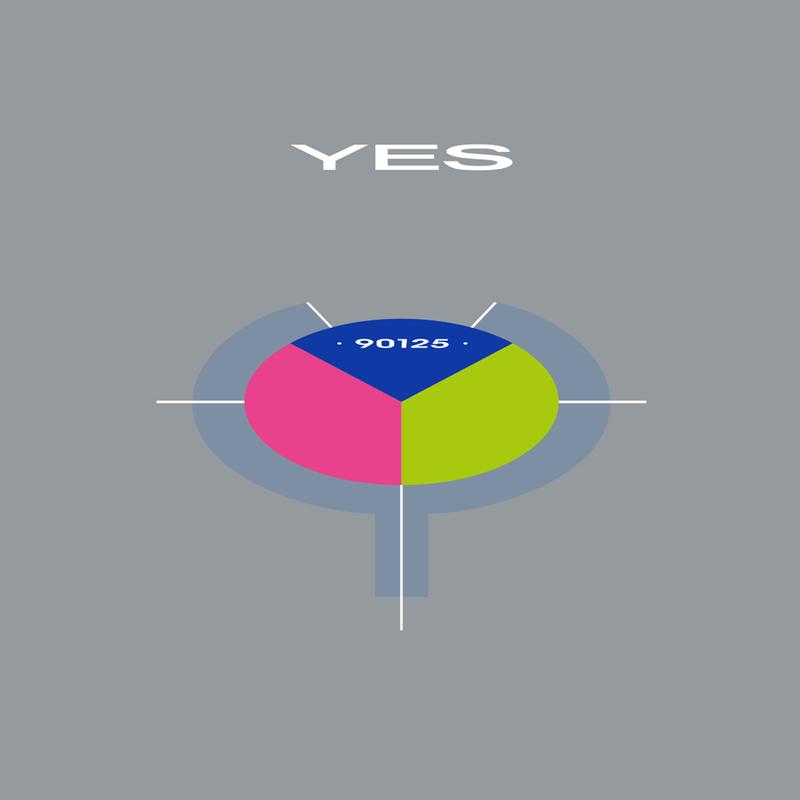
90125 began as a fresh start under a different name. Chris Squire, Alan White, Trevor Rabin and Tony Kaye were working as Cinema; Trevor Horn became the producer, and Jon Anderson joined later. That combination produced a Yes album in 1983 whose title simply adopted its catalogue number and whose music reached a new audience.
“Owner Of A Lonely Heart” became the band’s only number-one single in the United States. Yet the story is larger than the hit. Rabin’s guitar playing and writing met familiar voices and musicians from Yes history. The attraction lies in that meeting: a different approach to songs, carried by a group whose identity cannot be measured only by the length of its compositions.

Musicianship meets studio technology
Work at London’s SARM and AIR studios extended across 1982 and 1983. Trevor Horn’s production combined analogue recording with the possibilities of newer instruments. A Fairlight sample features in “Owner Of A Lonely Heart”, while the Synclavier was used for “Leave It”. Technological change became part of the arrangements without making the album a wholly digital recording.
Anderson, Squire, Rabin, White and Kaye form the band. J. J. Jeczalik and Dave Lawson are also credited for keyboard programming. With music assembled this carefully, it is worth distinguishing the players, additional programming and the work behind the mixing desk. The personnel information preserves those contributions without inventing track assignments where the documentation leaves them open.

Nine pieces behind the number
“Hold On”, “It Can Happen” and “Changes” demonstrate how much lies beyond the famous opening. The short instrumental “Cinema” won a Grammy; “Leave It” then shifts attention towards the voices. “Hearts” supplies the extended conclusion to a programme best explored in its entirety.
Returning listeners might follow one question: where does the new directness meet the band’s appetite for carefully developed musical forms? That approach lets 90125 be more than either a stylistic break or a nostalgic memory. It remains an album that continues the Yes story from a different angle, with its own balance of individual contributions and collective identity.
The Analogue Productions stereo hybrid SACD
CAPA 065 SA, part of the Atlantic 75 Series, contains a stereo SACD layer and a CD layer playable on conventional CD players. Kevin Gray is credited with mastering at Cohearent Audio. This is the hybrid SACD, distinct from the separate 45 RPM vinyl edition, and it is not a multichannel release.
The tape-source description calls for precision. The documented packaging credit identifies a half-inch tape copy as the starting point for the DSD transfer. A conflicting account is reported only second-hand, so an original-master-tape source is not presented here as certain. The nine album tracks appear without bonus material, keeping the focus on this chapter in the band’s history and the many contributions that made it possible.
You order from Michael 45 in Germany. We arrange the US import and dispatch from Hilden.
Also in another edition: 90125
More by Yes: The Yes Album · Close To The Edge
Artist page: All titles by Yes
Customer question: Buying Analogue Productions records in Europe
Musicians
Participants and documented credit status. Track references correspond to the tracklist.
- Jon AndersonvocalsParticipation: All vocal tracks
- Chris Squirebass, vocalsParticipation: Album personnel
- Trevor Rabinguitar, keyboards, vocalsParticipation: Album personnel
- Alan Whitedrums, percussion, vocals, Fairlight CMIParticipation: Album personnel
- Tony KayekeyboardsParticipation: Album personnel
- J. J. Jeczalikkeyboard programmingParticipation: Track assignments unconfirmed
- Dave Lawsonkeyboard programmingParticipation: Track assignments unconfirmed


Roles refer to documented album credits, not automatically to every listed track. Track references indicate documented participation; where several instruments are listed, not every role applies to every track.

Reviews
There are no reviews yet.