

One voice connecting different recording moments
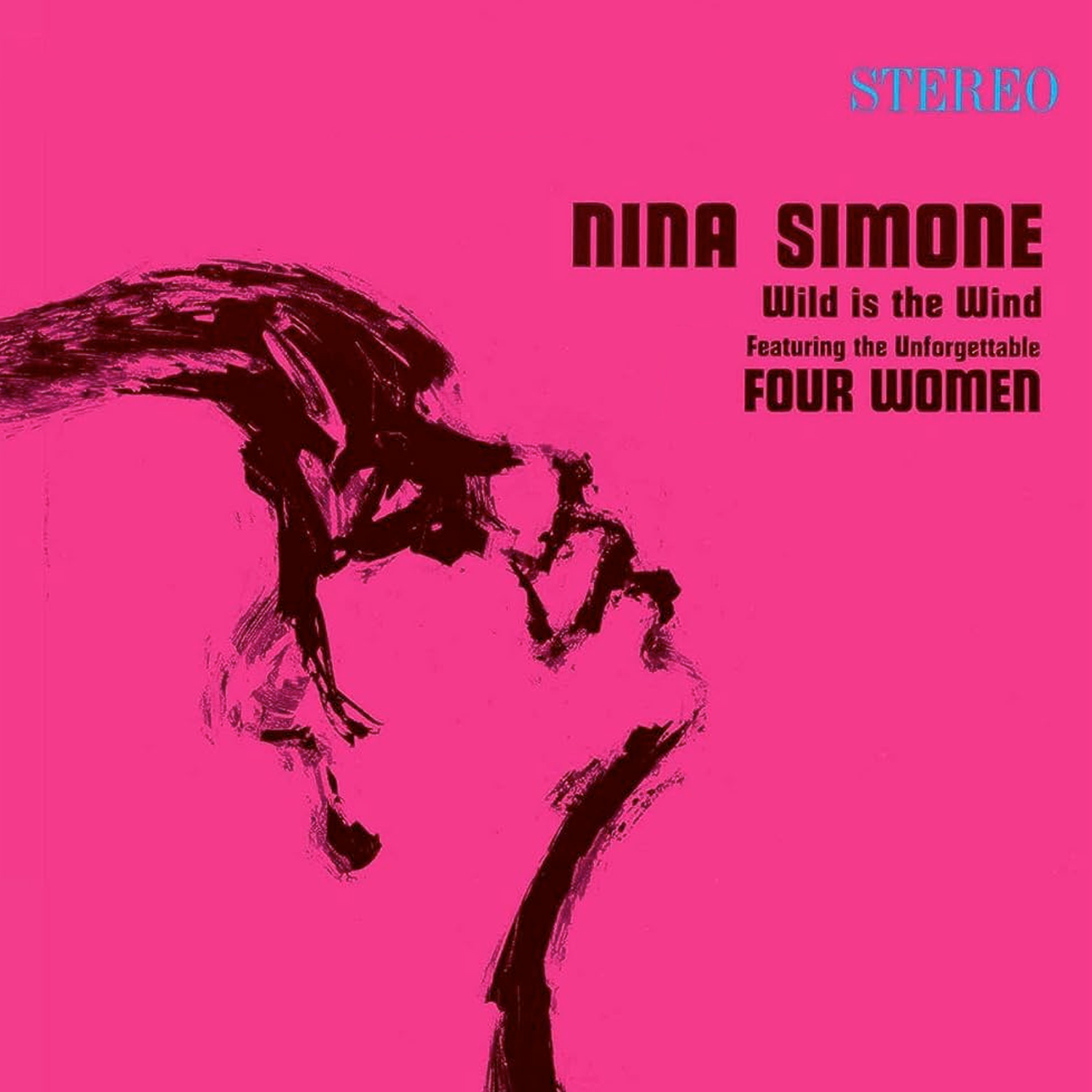
Wild Is The Wind belongs to Nina Simone’s Philips period and was released in 1966. Its origins differ from the familiar picture of a band entering the studio to record a single newly conceived programme. The album gathers recordings from 1964 and 1965 that had remained from earlier sessions. This background helps explain its variety without reducing the collection to a mere clearing of the shelves. If you want to buy Wild Is The Wind on vinyl, this is the Acoustic Sounds Series edition: one 180-gram LP with eleven tracks, playing at 33⅓ RPM.
Simone herself supplies the strongest connection between the selections. Love songs, an original composition, material from the stage and traditional sources sit alongside one another. Different writers and backgrounds are not absorbed into a single musical formula. A singer can unite an album precisely through bringing a recognisable attitude to contrasting texts. With Simone, the voice and her relationship with the piano belong to that personality. The record invites attention to both as elements of one musical language rather than as unrelated accomplishments listed in a biography.
Its eleven pieces include Four Women, Lilac Wine, the extended title track and Black Is The Color Of My True Love’s Hair. That selection already suggests why one stylistic label would explain very little. A politically charged song built around individual characters asks something different from a love lament; an established melody creates a different kind of recognition from an original song. The sequence allows these differences to remain present. The album does not have to be compressed into one mood in order for its connections to become apparent.
Its chronology should not be smoothed into an invented account of a single session either. Several recording moments come together to form the released album. Publication gives them a new relationship: one song now follows or precedes another, and that position can affect the way it is heard. For listeners collecting Simone’s records in context, this kind of assembly is particularly interesting. It presents an artist across several situations while retaining the familiar boundaries and physical sequence of a single LP.

Two arrangers and a deliberately precise account of the credits
The arrangements are documented track by track. Horace Ott is credited for six selections: I Love Your Lovin’ Ways, What More Can I Say, That’s All I Ask, Break Down And Let It All Out, Why Keep On Breaking My Heart and Either Way I Lose. Simone herself is named for Four Women, Lilac Wine, Wild Is The Wind, Black Is The Color Of My True Love’s Hair and If I Should Lose You. This division reveals a substantial part of the musical work without automatically assigning a performing instrument to an arranger.
Ott therefore belongs among the documented musical contributors as an arranger, rather than as an assumed pianist or organist. Simone is identifiable as singer and pianist, with her piano contribution particularly explicitly described for Black Is The Color. The checked original LP and reissue credits, however, do not provide a complete account of the backing band. Familiar personnel from another Simone recording would not be sufficient evidence to add names here. That limit remains visible rather than being covered with information that appears precise but is not securely established for this album.
Hal Mooney produced the record, and Sid Mark supplied its liner notes. These contributions also belong to the album’s history, but they differ from participation as an instrumentalist. The distinction is especially useful with a release assembled from several sessions. A general band list could suggest greater certainty than the sources support. The personnel section below therefore identifies the confirmed musical roles and explains the limits of the surviving credits, instead of presenting production and mastering personnel as though they played on the performances.
This caution does not prevent engagement with the music. You can follow the relationship between voice, piano and accompaniment even when every participant has not been established by name. The uncertainty concerns historical attribution, not whether musical contributions exist. Considering Simone’s own arrangements alongside Ott’s already offers a concrete starting point. What responsibility does the voice take? How much room is given to a melody? How does the relationship between words and musical development change? The album supplies several different settings in which to consider these questions.

Four Women, Lilac Wine and the extended title song
I Love Your Lovin’ Ways opens the first side, followed by Four Women. Simone’s original composition places four female characters beside one another, giving questions of identity and social categorisation an individual human form. It is not an interchangeable love song within an otherwise uniform programme. Its early position makes clear that the record brings together different modes of storytelling. Attention moves towards the perspectives within the text and the way a performer can distinguish them inside a single song, while keeping the composition connected as a whole.
What More Can I Say and Lilac Wine follow. Written by James H. Shelton, Lilac Wine is one of the five pieces arranged by Simone herself. That’s All I Ask and Break Down And Let It All Out then complete the first side. Six selections give this half of the record a changing course, with relatively concise songs alongside more extended statements. If one title captures your attention immediately, a later listen can focus on its surroundings. The next song can alter the impression of the previous one without changing either performance.
Side two begins with Why Keep On Breaking My Heart before arriving at the title track. Wild Is The Wind was written by Dimitri Tiomkin and Ned Washington. At almost seven minutes, it is the longest selection on this LP and occupies a correspondingly substantial part of the programme. An established song can become interesting not only through its melody but also through the time an interpretation allows it. The listener is invited to a different scale of development from that of a short song which gathers its statement more quickly.
Black Is The Color Of My True Love’s Hair, If I Should Lose You and Either Way I Lose finish the side. Black Is The Color draws on traditional material; Simone’s credit for this version should not be confused with a claim that she originated the old song. The deliberately spare relationship between voice, piano and bass provides a distinct counterpart to other arrangements on the album. The final two songs return to loss and relationships without erasing the different perspectives encountered across the full sequence. Their position completes a programme that remains varied even as it closes.
The Acoustic Sounds Series edition
The offered release carries shop catalogue number APHI 75201 and belongs to the Verve/UMe Acoustic Sounds Series. It is a single stereo LP weighing 180 grams and playing at 33⅓ revolutions per minute, issued as a reissue in 2023. Ryan K. Smith at Sterling Sound is credited with mastering from the original analogue tapes. Quality Record Pressings manufactured the record, and Stoughton Printing supplied the traditional tip-on-style gatefold jacket. This combination identifies the particular edition rather than describing every release bearing the album’s title.
The eleven selections remain together on two sides: six on the first and five on the second. This preserves a straightforward album sequence with a single side change. In particular, the group surrounding the long title track on side two can be heard as a continuous section. The physical edition gives the collection a clear frame without needing to conceal its different recording moments. An album assembled from several sessions can still possess a meaningful sequence, one that becomes tangible when the record is placed on the turntable.
For collectors, Wild Is The Wind is consequently interesting both through individual familiar songs and through Simone’s Philips work more broadly. Four Women or the title track may provide the initial reason to approach it; the remaining selections expand the view of her choice of material and her contribution as an arranger. The complete tracklist and qualified credits help identify the programme before purchase. Unconfirmed players are not supplied from general assumptions, and the specifications of this reissue are not silently exchanged with those of another pressing.
No knowledge of every recording date is required to engage with the album. Its appeal lies in the meeting between contrasting song worlds and a distinctive musical personality. The historical account explains how the collection came together; listening reveals how the individual pieces relate to one another. This edition provides the complete eleven-track programme in a clearly identified vinyl presentation, with the relevant production details and the boundaries of the known personnel set out alongside the music.
You order from Michael 45 in Germany. We arrange the US import and dispatch from Hilden.
Musicians
Participants and documented credit status. Track references correspond to the tracklist.
- Nina SimonePortrait reference: 1964vocals, pianoParticipation: Vocals; piano explicitly documented on B3; arrangements A2, A4, B2, B3, B4
- Horace OttarrangementsParticipation: A1, A3, A5, A6, B1, B5

Nina Simone: vocals, piano and five arrangements; Horace Ott: six arrangements, no performing instrument documented. Backing personnel is unnamed in the reissue and original LP credits. Lisle Atkinson is not presented as a confirmed album performer. Black Is The Color uses traditional material with a Simone credit for this version, not an assertion that she originated the song. Hal Mooney: producer; Sid Mark: liner notes; Ryan K. Smith / Sterling Sound: mastering; QRP: pressing; Stoughton: jacket.

Reviews
There are no reviews yet.