A first appearance under a new name
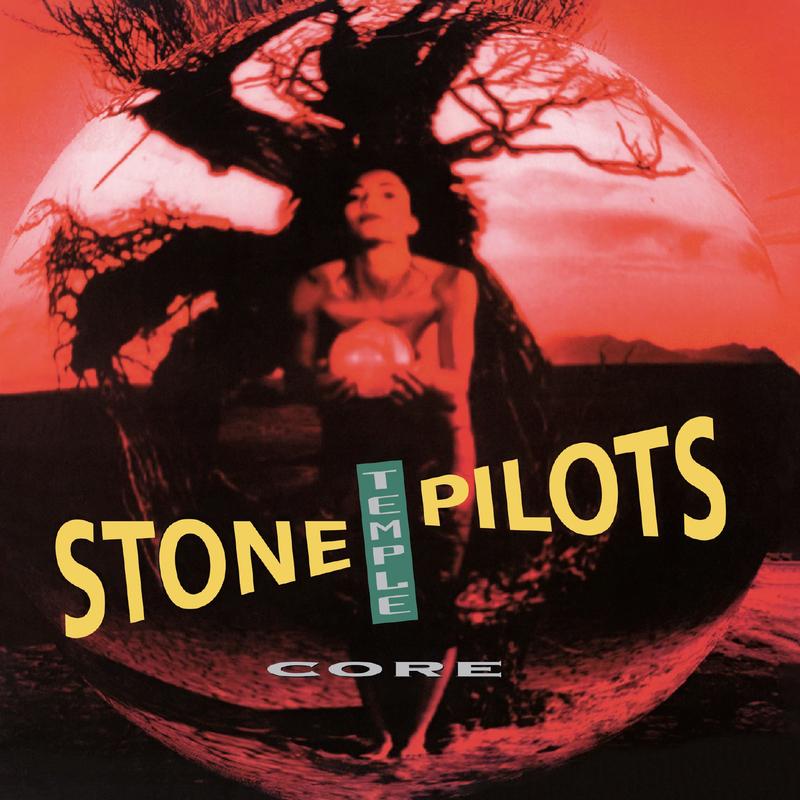
Before the guitars enter on Dead & Bloated, the opening belongs to Scott Weiland’s voice. Core takes that brief moment alone with its singer before placing the band’s weight against him. Stone Temple Pilots’ debut appeared in September 1992. The new name concealed an existing history together: as Mighty Joe Young, the musicians had made demos and developed an audience in Southern California. The change of name came shortly before release because the earlier one was already in use.
Weiland, guitarist Dean DeLeo, bassist Robert DeLeo and drummer Eric Kretz recorded the album with producer Brendan O’Brien at Rumbo Recorders in Los Angeles. Nick DiDia handled the recording engineering. The collaboration would also shape the records that followed. On Core, the quartet’s immediate impact takes precedence: distinctive figures, a mobile foundation and singing that can work close to speech as well as at considerable power. The music has weight, but weight is not its only quality.
The sessions took place in May 1992. Dick Kaneshiro is credited as second engineer, and mixing was carried out at Can-Am Recorders. Tom Baker mastered the original release at Future Disc. These names belong to the album’s creation and should be distinguished from the later mastering of a reissue. They also remind us that a rock band’s coherence on record involves decisions about recording, balance and sequence. The twelve tracks form a considered progression in which a lone vocal entrance can matter as much as all the instruments arriving together.

Plush and another side of the band
Plush shows how much melody this line-up could contain. Its guitar chords carry a vocal line able to hold its own without the full electric accompaniment, something later acoustic performances made especially apparent. The song brought the group the Grammy for Best Hard Rock Performance in 1994. Within the album, it also acts as a meeting point between the instruments’ hardness and Weiland’s feeling for a broadly sustained melody.
Creep brings the more restrained side forward. The two songs occupy different worlds, yet the same four musicians connect them. The brief instrumental No Memory also changes the pace before Sin takes up a larger space. This is one reason to hear Core as a whole: pauses and smaller transitions help define the heavier pieces. Listeners familiar mainly with Sex Type Thing or Wicked Garden encounter an album that repeatedly alters its expression through less densely occupied arrangements.
The writing credits offer another view of the collaboration. Robert DeLeo composed the music for Creep, with lyrics credited to Weiland and Robert DeLeo. Plush combines Robert DeLeo’s music with words by Weiland and Kretz. The drummer therefore contributes beyond the rhythmic framework, just as the bassist shapes more than the lowest instrumental line. Those connections help reveal the group as a shared songwriting project. The names in the credits represent different contributions that meet within the finished recording.

Beneath the wall of guitars
Robert DeLeo’s bass offers a rewarding route into the music. Follow the moments when it supports a guitar figure and those when it adds movement of its own. Eric Kretz holds the relationship together without having to occupy every available gap. Above them, Dean DeLeo works with different chord voicings and instrumental colours. Shifting attention in this way can restore detail to a familiar chorus: the rhythm section or an accompanying figure becomes the point of focus instead of the voice alone.
The extended conclusion, Where the River Goes, gives the group more time than the compact singles. Rather than sending the album out with a quick exclamation mark, it allows its figures and moods to spread. Comparisons with other contemporary bands were part of Core‘s initial reception. The songs provide a more specific way into the record: the melodic curiosity that would become more prominent on Purple is already present within the heavy, direct language of this debut.
Between the better-known titles, Naked Sunday, Piece of Pie and Crackerman help hold the album’s range together. They deserve more attention than the idea of a stop between singles allows. Following the sequence makes it possible to experience changing balances between voice, riff and rhythmic movement. That capacity for rediscovery is valuable in a collection. An album remains interesting when its familiar overall impression opens the way to individual contributions instead of concealing them.
The Atlantic 75 Hybrid Stereo SACD
This edition is Analogue Productions CAPA 028 SA, a Hybrid SACD containing the twelve original tracks in stereo. The CD layer plays on conventional CD players, while SACD-compatible equipment is required for the DSD layer. The programme includes neither the later 5.1 remix nor the supplementary material from the anniversary boxes. It follows the original album sequence from Dead & Bloated through to Where the River Goes.
Ryan K. Smith at Sterling Sound is credited with this mastering. Both publisher and packaging describe the transfer of the original analogue tape to DSD. The source is thus specifically identified as a manufacturer statement. The exact DSD rate and converter are not documented. An analogue source tape does not turn an SACD into an analogue carrier; what matters when choosing this edition is the actual disc, its stereo programme and the identified mastering work.
The series’ 45 RPM vinyl release is a separate edition. Record weight, lacquer cutting and pressing-plant specifications belong to that release and do not transfer to this SACD. Here, the album can unfold without side changes, preserving its sharp interruptions, brief transitions and extended closing lines as a continuous listening sequence. For music lovers, it is an invitation to return to the debut as a complete work, with a character that reaches beyond the familiar rock songs it introduced. You order from Michael 45 in Germany. We arrange the US import and dispatch from Hilden.
Also in another edition: Core
Customer question: Buying Analogue Productions records in Europe
Musicians
Participants and documented credit status. Track references correspond to the tracklist.
- Scott WeilandvocalsParticipation: Album credits; track 4 is instrumental
- Dean DeLeoguitarParticipation: Album personnel
- Robert DeLeobassParticipation: Album personnel
- Eric KretzdrumsParticipation: Album personnel


Album credits do not mean that every instrument appears on every track. Documented track assignments are given beside the relevant roles; further assignments remain unconfirmed.

Reviews
There are no reviews yet.