Artist dossier · Rock / Jazz / Studio craft
Steely Dan: The Art of Leaving Nothing to Chance
Nine studio albums. Two singular minds. Music that keeps opening another door.

Some records demonstrate a sound system. Others explain why you wanted one in the first place. Steely Dan inhabit both worlds. The production can be astonishing; the songs are what make you stay.
A guitar phrase slips past, apparently effortless, then refuses to leave your head. A chorus suggests sunshine while its story has already moved into shadow. A bass line leans between the beats without disturbing the song’s balance. Walter Becker and Donald Fagen wrote music that welcomes you immediately and continues to resist easy explanation. You can discover these records casually and spend decades listening more closely.
I have returned to Steely Dan repeatedly on my channel: in conversation with Chad Kassem, in UHQR comparisons with American white-label promos, against a regular reissue, and through the rediscovery of the two later studio albums. Those videos form the listening thread of this journey. Each verdict concerns the particular copies and the system I used at the time. The history of the music is, of course, a much larger subject.
We begin with a working touring band, move through the studios of Los Angeles and New York, and finish with two later albums that deserve much more than a footnote. If Aja is your starting point, there is plenty left to discover. If all nine records already occupy your shelves, this is an invitation to hear familiar music in a broader context.
1972 — 2003
Nine albums. A remarkable journey.
Choose an album to jump to its chapter.
Becker and Fagen: two writers, many voices
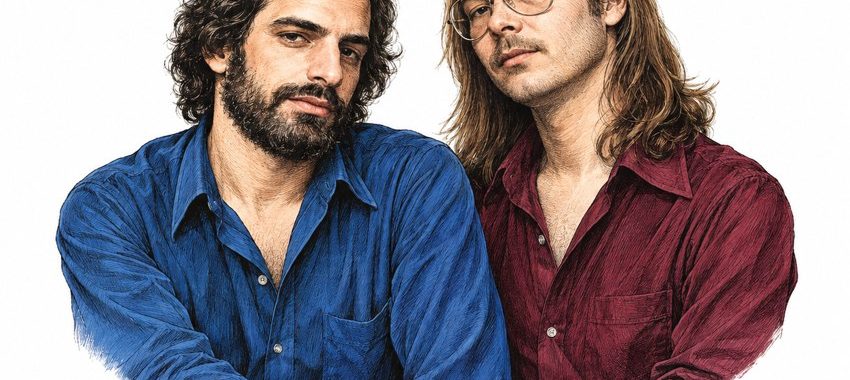
Becker and Fagen met at Bard College in New York State in 1967. Musical curiosity and an unusually oblique sense of humour brought them together. Jazz was part of their vocabulary, alongside rhythm and blues, pop and rock. They found a way to place complicated ideas inside songs that people could sing.
Producer Gary Katz became an important partner on the early albums, while engineer Roger Nichols helped realise their increasingly exacting ideas. Initially, a regular band surrounded Becker and Fagen. Gradually, they chose players according to the needs of individual songs. A drummer, guitarist or saxophonist arrived because of a specific musical quality. The changing personnel in the credits are therefore a guide to listening.
The people behind the precision matter. The attack of a note, its duration and the placement of a beat cannot be reduced to technical cleanliness. Steely Dan’s studio art depends on fitting those individual qualities into closely considered arrangements. These records contain countless decisions. Good reproduction helps us understand what those decisions contribute.
Can’t Buy a Thrill
A band discovers its language

Do It Again opens a world of its own: a circling rhythm, an immediately recognisable vocal line and Denny Dias’s electric sitar. Reelin’ in the Years moves in another direction. The guitar pushes forward, with Elliott Randall’s solo playing becoming a second voice alongside the singer. The debut already shows how widely Steely Dan could vary their musical colours within one record.
In 1972 the group still had a tangible band identity: Becker, Fagen, Dias, Jeff “Skunk” Baxter, drummer Jim Hodder and singer David Palmer. Palmer sings lead on Dirty Work and Brooklyn (Owes the Charmer Under Me). His presence gives those songs a character distinct from Fagen’s performances. That vocal variety belongs specifically to the debut and reminds us that the familiar Steely Dan identity was still taking shape.
Recorded at the Village Recorder in Los Angeles with producer Gary Katz and engineer Roger Nichols, the album places unusual harmonic movement inside accessible songs. It does not require immediate analysis. Alongside the famous singles, Only a Fool Would Say That and Fire in the Hole show a writing partnership whose signature is already recognisable, but whose possibilities remain open.
Comparing the UHQR with an American white-label promo, I was surprised by how clearly I preferred the reissue. I discussed its freshness and spatial presentation in the video. A second comparison, requested by viewers, brought in the regular Universal LP. I considered that a good edition too, while retaining a clear preference for the UHQR. This describes the copies I heard, rather than every pressing ever made of the album.
Steely Dan Can’t Buy a Thrill UHQR vs Original Promo
Video in English · Start 7:10
Steely Dan Can’t Buy a Thrill: UHQR vs 33 RPM
Video in English · Start 3:25

Can’t Buy a Thrill in the shop ↗
AUHQR 0009-45
Also on Hybrid Stereo SACD ↗CAPP 134 SA
Countdown to Ecstasy
Room for the band to move

After the debut, the music stretches out. Countdown to Ecstasy contains eight tracks, including Bodhisattva, Your Gold Teeth and King of the World. Guitars have more room to speak; instrumental passages acquire weight of their own. Fagen now takes all the lead vocals, giving the record a more consistent narrative voice while the band explores broader musical structures.
The attraction lies in the relationship between movement and construction. These are carefully written pieces, yet they retain the energy of a working band. Jeff Baxter and Denny Dias contribute different guitar characters, while Victor Feldman expands the palette through keyboards and percussion.
My Old School offers an immediate entrance. From there, follow the longer arcs, the supporting voices and the rhythmic answers to Fagen’s singing. The result feels like a band developing its ideas across several stages rather than simply taking turns to solo.
My Old School draws on a specific college memory: the drug raid at Bard in May 1969. Its title might suggest a nostalgic homecoming song, but that background changes the expectation. This is a characteristic Steely Dan effect: an inviting musical surface can initially conceal the sting. Hearing story and arrangement together reveals a different kind of looking back. Background ↗
I also compared this UHQR with a white-label promo and found the reissue highly persuasive. The video concerns that particular original pressing. Watching it alongside the debut comparison shows why these early Steely Dan UHQRs attracted so much of my attention: the albums set different musical challenges, making their comparison especially revealing.
Steely Dan UHQR: Countdown To Ecstasy UHQR vs. White Label Promo 1st Pressing
Video in English · Start 8:00

Countdown to Ecstasy in the shop ↗
AUHQR 0010-45
Also on Hybrid Stereo SACD ↗CAPP 135 SA
Pretzel Logic
Big ideas in compact forms

Pretzel Logic changes the scale. In 1974, shorter songs take the place of its predecessor’s extended forms without reducing the music’s density. Rikki Don’t Lose That Number is immediately accessible; the album continues to reveal small turns and unexpected angles. Its achievement is to make them seem natural.
The jazz connection becomes explicit. Parker’s Band points towards Charlie Parker, while East St. Louis Toodle-Oo brings Duke Ellington and Bubber Miley into the programme. Tradition is material that Becker and Fagen can work with while retaining a voice of their own.
The working method is changing too. Jim Gordon and Jeff Porcaro are among the album’s drummers. Selected studio players increasingly supplement the established band. The needs of an individual song begin to determine who occupies each position, pointing towards Katy Lied.
The publisher identifies Bernie Grundman and the original master tape for the UHQR. Start with the concise songs and the album’s position between the early band and the later studio method. A series name cannot replace a title-specific assessment.

Katy Lied
The songs and the studio’s shadow

Katy Lied is one of those records whose technical history can overshadow the music. Yet Black Friday, Bad Sneakers and Doctor Wu give ample reason to stay with the songs. Fagen’s voice connects their different moods, while Michael McDonald’s backing vocals introduce a distinctive new colour.
Jeff Porcaro is a central presence on drums. His playing is a reminder that precision need not mean rigidity. Rhythm has to support the structure and breathe within it. Hear Katy Lied as an ensemble record as well as a collection of memorable individual contributions.

For Your Gold Teeth II, Fagen gave Porcaro a Mingus recording featuring Dannie Richmond as rhythmic guidance. The session story illustrates something valuable: finding a performance can mean stepping away from the song and listening to other music. Jazz is part of the musicians’ shared language. Session background ↗
The difficulties associated with the dbx noise-reduction system belong to the album’s history, but accounts differ about the nature and extent of the damage. They do not support a simple claim that a later edition repaired everything. Naming the original master tape as a source also says nothing conclusive about the condition of that historical material.
In my video on the Katy Lied UHQR, I explain how listening again helped me understand why some Steely Dan fans choose it as their favourite. Set beside the frequently discussed Aja and Gaucho, Katy Lied offers another perspective: ten concentrated songs in which individual players can say a great deal with a small gesture.
4 Major Reissues: Steely Dan, Genesis, CSN & Alfie
Video in English · Start 0:15

The Royal Scam
The guitar becomes a storyteller

The Royal Scam moves the guitar towards centre stage. Larry Carlton is a key figure, alongside Denny Dias, Dean Parks and Elliott Randall. Those names reveal several distinct musical personalities at work; attributing every striking guitar passage to Carlton would erase that variety.
Kid Charlemagne demonstrates how a solo can belong to the drama of a song. The guitar develops the musical thought rather than merely interrupting the vocal. Don’t Take Me Alive takes another approach, while Haitian Divorce opens a different sound world again. The record remains remarkably varied within its guitar-led character.

Kid Charlemagne takes loose inspiration from Owsley Stanley, while The Caves of Altamira turns towards an encounter with cave paintings. Those subjects are far apart, yet inhabit the same musical world. Becker and Fagen were interested in characters and ideas that resist an uncomplicated pop narrative. Song backgrounds ↗
Chuck Rainey’s bass and the contributions of drummers Bernard Purdie and Rick Marotta help form its foundation. Gary Katz produces, with Roger Nichols and Elliot Scheiner involved in engineering. These credits explain why Steely Dan’s studio history is also a history of exceptional supporting musicians.
When I introduced the Royal Scam UHQR in July 2025, an important chapter of the reissue programme had come together. I placed it alongside the other editions and said that ranking them was difficult. The pleasure lies in hearing the catalogue presented this way, with The Royal Scam adding its own guitar-led character to the larger picture.
The CCR Audiophile Grail Is Back—Plus Steely Dan UHQR
Video in English · Start 7:30

Aja
The space behind the detail

Aja is many listeners’ introduction to Steely Dan as an audiophile subject. That is understandable, but its importance extends beyond impressive reproduction. Seven songs combine melodic clarity with a musical flexibility that keeps rewarding attention. Black Cow, Deacon Blues, Peg and Josie each provide a different entrance.
The title track travels particularly far. Wayne Shorter’s saxophone and Steve Gadd’s drums are defining voices. Jazz listeners have a direct point of connection; listeners arriving from pop can follow a song opening its form without losing coherence. Its details have direction rather than simply accumulating.

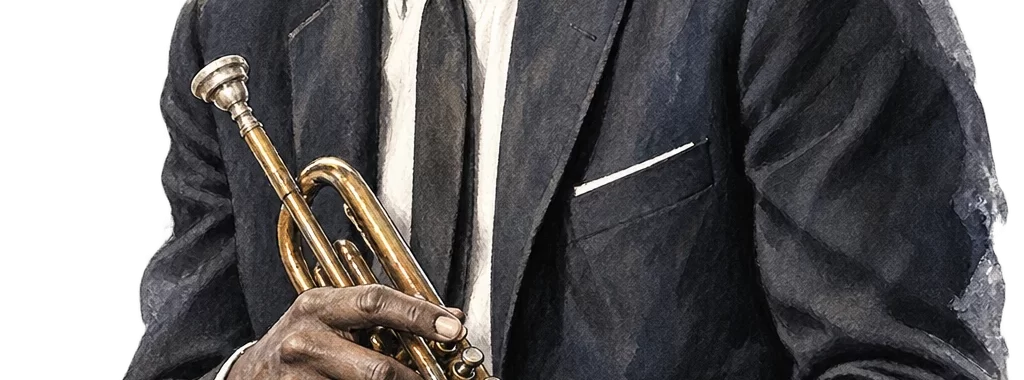
Wayne Shorter’s story also leads to Miles Davis’s second great quintet. The Miles Davis dossier follows that wider context. A name in the credits can open the door to an entirely different collection.
My first response to the Aja UHQR in November 2023 was unusually emphatic: I considered it a candidate for the audiophile reissue of the year. Hear that enthusiasm in context. The video is called First Impression; it offers an invitation to hear the album’s musical and spatial effect.
The source requires careful wording. The original programme announcement identifies an analogue, non-EQ’d tape copy for Aja. The UHQR publisher page also identifies an analogue tape copy. Aja is an exception within the programme and deserves to be described accurately. The result deserves to be judged through listening rather than a simplified label.
First Impression: UHQR Steely Dan: Aja
Video in English · Start 0:27

Gaucho
Tension beneath the polished surface

Gaucho tightens the focus again: seven songs, highly controlled forms and characters who rarely seem entirely comfortable with themselves. Babylon Sisters, Hey Nineteen and Time Out of Mind provide obvious starting points. Beyond their elegance, listen for the tension between an inviting surface and the situations being described.
Released in 1980, the album closes the first studio era. Its production history includes Roger Nichols’s work with the early digital drum system Wendel. Technology belongs to the story without explaining the whole musical effect. The more interesting question is how a groove can be so controlled and remain so compelling.
In my Gaucho UHQR video, I explicitly did not compare it with an original. Aja was my reference as an outstanding reissue. I described Gaucho’s room-filling effect and placed it alongside Aja rather than declaring Aja the better-sounding record. “Gaucho vs. Aja” therefore discusses two different albums, not rival pressings of one album.
Gaucho is another source exception. The programme announcement specifies an analogue copy from 1980, originally EQ’d by Bob Ludwig. That information is more useful than suggesting every Steely Dan UHQR started from the same type of source. The recording, the available tape and the new mastering are separate stages.
Gaucho vs. Aja, David Crosby, Hall & Oates, First Pablo
Video in English · Start 0:35

Two Against Nature
Twenty years later, immediately recognisable

Twenty years separate Gaucho and Two Against Nature. Donald Fagen’s The Nightfly from 1982 belongs to the intervening story, alongside Walter Becker’s solo work and the return to touring. A solo record remains distinct from a Steely Dan studio album, however close the musical connections.
Released in 2000, Two Against Nature resumes the conversation between Becker and Fagen. What a Shame About Me, Jack of Speed and West of Hollywood invite us to hear this later music without measuring everything against Aja. The writing remains recognisable while the perspective has changed.

The Album of the Year Grammy brought the return widespread attention. For listening, the more rewarding approach is to give these songs time. They have characters, rhythmic ideas and extended musical thoughts of their own.
My June 2022 video covers the Analogue Productions 45 RPM edition alongside Everything Must Go. Having compared both with the previous year’s Record Store Day editions, I clearly preferred the AP releases, although I already considered the earlier editions good. These AP double LPs are not UHQR editions, an important distinction when choosing a copy.
New Analogue Production: 2 Great Steely Dan! + Thoughts on AP vs. MoFi
Video in English · Start 6:55

Everything Must Go
A final studio album with a voice of its own
Everything Must Go appeared in 2003, only three years after Two Against Nature. It did not have to bridge a twenty-year gap. The Last Mall, Things I Miss the Most and the title song establish an atmosphere worth hearing on its own terms.
Walter Becker sings lead on Slang of Ages, making the second writer present in a different way. Keith Carlock plays drums and Becker plays bass, within a relatively concentrated ensemble. The personnel offer another useful route into the record.

The journey began with a band and passed through increasingly specialised studio line-ups. Here, the experience of playing together again becomes central. It is not a recreation of the debut but a later collaboration with a confidence of its own.
The favourable comparison with the Record Store Day pressings in my video applies to Everything Must Go as well. For listeners who have concentrated on the seven classic albums, this offers a reason to widen the picture. The last studio album with Walter Becker deserves to close the journey as music, not simply as a historical endpoint.
Return to the video covering both later albums ↑

THE PEOPLE IN THE MUSIC
The musicians behind the Steely Dan name
Guitars with individual character
Denny Dias and Jeff Baxter connect the early albums with a working band. Later, other voices arrive. Larry Carlton matters particularly on The Royal Scam; Elliott Randall had already helped define Reelin’ in the Years. Follow how different players enter a song, leave room beneath the vocal and build a solo. Their contributions matter because of what they give each piece.
Different kinds of rhythmic precision
Jeff Porcaro, Bernard Purdie, Steve Gadd and Keith Carlock mark different chapters. Calling all of them “perfect” tells us very little. Gadd’s contribution to Aja and the ensemble approach on Everything Must Go provide distinct listening reference points. Following the drum parts across the catalogue reveals how the music changes.
Keyboards, saxophone and supporting voices
Victor Feldman broadens the instrumental palette. Wayne Shorter’s appearance on Aja connects the album with a major jazz voice. Michael McDonald’s backing vocals add a characteristic presence to Katy Lied and beyond. These contributions can define a passage before we have even read the name in the credits.
Katz, Nichols and the work behind the recording
Producer Gary Katz and engineer Roger Nichols belong to this story alongside the performers. Recording turns an idea into a preserved performance. Reissue mastering adds another stage, working with the material that survives. Distinguishing recording from reissue helps: a new cut is not a new session, and another format does not replace the musicians’ decisions.
ORIGINAL · REISSUE · FORMAT
Which Steely Dan edition is right for you?
Start with the album you actually want to hear. Aja offers a natural entrance into the elaborate studio world; Can’t Buy a Thrill welcomes listeners through familiar songs. Countdown to Ecstasy and The Royal Scam give guitars greater prominence. Katy Lied rewards listeners ready to look beyond the obvious landmarks. These are musical routes into the catalogue, not a hierarchy of prestige.
With originals, the specific pressing and its condition matter. An American white-label promo is an interesting comparison copy, but the description alone guarantees no particular sound. My preference for the UHQR in two promo comparisons does not make every original redundant. Historical pressings are also artefacts of their time. Record matrix details and condition when comparing different cuts.
The seven classic albums from Can’t Buy a Thrill to Gaucho form the UHQR programme discussed here, presented as 45 RPM double LPs. More side changes are part of the experience. If uninterrupted album flow matters to you, that is a legitimate consideration alongside packaging and materials. A listening verdict concerns source, mastering, pressing and playback together; speed alone cannot predict it.

The Geffen/UMe 180-gram programme identifies high-resolution digital files as the basis for Alex Abrash’s lacquer cutting. It is not simply the UHQR in another sleeve. SACDs are digital discs: a hybrid stereo SACD includes SACD and CD layers and does not play on a turntable. A verdict on a vinyl edition cannot automatically be transferred to the SACD of the same album.
Two Against Nature and Everything Must Go belong here as Analogue Productions 45 RPM double LPs, without being UHQRs. Keeping those formats distinct makes comparisons more useful. There is no obligation to collect everything in one format: a favourite album on vinyl and another on SACD can make perfect sense. What matters is listening.
The UHQR series page provides more context and titles beyond Steely Dan. Edition links in this dossier take you directly to the relevant album, connecting the artist’s history with a specific release.
Making a useful comparison at home
Choose a familiar passage and compare at approximately matched levels. A slightly louder presentation can initially seem more impressive. Then follow musical relationships: can you understand the voice within the ensemble, trace the bass line and hear drum accents without losing the song’s overall shape?
Allow a complete passage to develop rather than switching after every note. Make brief notes about what draws you further into the music and what distracts you. That gives your decision more meaning than general phrases such as “more detail”. The videos provide reference points; listening in your own room remains a separate experience.
WHERE TO LISTEN NEXT
Three routes through the nine albums
Start with the songs
Begin with Can’t Buy a Thrill and Pretzel Logic. Familiar melodies welcome you in, while the differences show how the band changes its forms. Continue with Katy Lied to move further into the studio world.
Start from jazz
Try the title track of Aja, then Your Gold Teeth on Countdown to Ecstasy and Parker’s Band on Pretzel Logic. Each offers a different way of thinking jazz into a song, without requiring the album to behave like a conventional jazz record.
Revisit the later records
Play Two Against Nature and Everything Must Go together before returning to Gaucho. Give the later work a context of its own, then hear the connections and differences across the intervening years.
45 RPM Audiophile
From conversation to record: my Steely Dan videos
The videos also trace the reissue story. In June 2022, Two Against Nature and Everything Must Go were the immediate subject, with further titles still a prospect. In September, I spoke with Chad Kassem about the UHQR programme. He describes a Donald Fagen appearance in Salina in 2017 as the starting point of his story. This is the publisher’s first-hand account, a different perspective from a later listening comparison.
The plans then became records on the turntable: the debut against a white-label promo, the regular Universal edition as another option, Countdown to Ecstasy, then Aja and Gaucho. Presentations of Katy Lied and The Royal Scam continue the sequence. Older videos remain useful even when their preorder dates or prices have expired. They show when an opinion was formed and what it concerned.
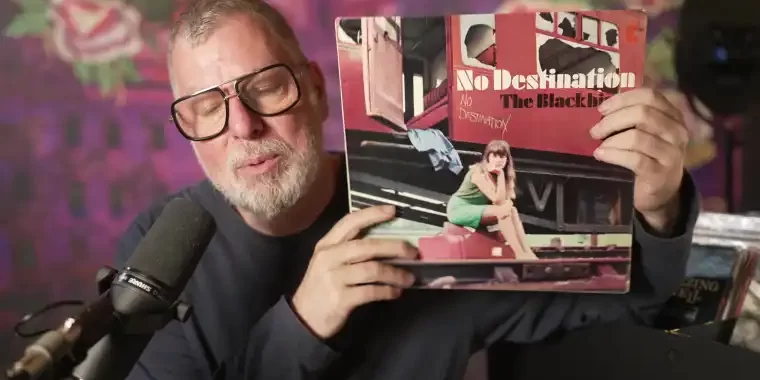
The conversation with Patrick about Steely Dan and originals belongs here too. It opens questions beyond a single comparison: what should a reissue achieve, what remains attractive about an early pressing, and when do we need to identify the exact copy? Album chapters provide direct entry points; the complete video overview below includes the wider discussions.
Chad Kassem on Steely Dan UHQR + Q&A
Video in English · Start 0:21
Patrick & Michael: Steely Dan, Og´s and what comes to mind
Video in English · Start 0:00
Video archive: comparisons, conversations and announcement
- New Analogue Production: 2 Great Steely Dan! + Thoughts on AP vs. MoFi ↗
- Chad Kassem on Steely Dan UHQR + Q&A ↗
- Patrick & Michael on Original Pressings ↗
- Patrick & Michael: Steely Dan, Og´s and what comes to mind ↗
- Steely Dan Can’t Buy a Thrill UHQR vs Original Promo ↗
- Steely Dan Can’t Buy a Thrill: UHQR vs 33 RPM ↗
- Michael45 & Patrick: A Little Thriller and OG Related Discussion ↗
- Steely Dan UHQR: Countdown To Ecstasy UHQR vs. White Label Promo 1st Pressing ↗
- Amazing New Preorder Titles: Pink Floyd – Bob Dylan – Steely Dan and Many More ↗ · historical preorder announcement
- First Impression: UHQR Steely Dan: Aja ↗
- November Highlights With Nadine George and Nick ↗
- Gaucho vs. Aja, David Crosby, Hall & Oates, First Pablo ↗
- 4 Major Reissues: Steely Dan, Genesis, CSN & Alfie ↗
- The CCR Audiophile Grail Is Back—Plus Steely Dan UHQR ↗
Perfection is only the beginning
Across these nine albums, the story keeps moving. The early band, carefully selected studio players, long interruption and later renewal belong together. Countdown to Ecstasy changes the context in which we hear Aja. Everything Must Go gains when it is allowed to be itself rather than another album from the seventies.
The best Steely Dan collection is not necessarily the one with the greatest number of substantial boxes. It is the collection that keeps sending a record to your player: for a guitar solo, a song that has accompanied you for decades, or an edition that reveals something still waiting inside a familiar arrangement.
FAQ
Steely Dan vinyl: common questions
How many studio albums did Steely Dan release?
Nine: Can’t Buy a Thrill (1972), Countdown to Ecstasy (1973), Pretzel Logic (1974), Katy Lied (1975), The Royal Scam (1976), Aja (1977), Gaucho (1980), Two Against Nature (2000) and Everything Must Go (2003). This excludes live albums, compilations and solo releases.
Where should I start with Steely Dan?
Aja introduces the elaborate studio approach; Can’t Buy a Thrill offers familiar songs and the early band. Guitar listeners can continue with The Royal Scam or Countdown to Ecstasy. Let your musical preferences guide the choice.
Are all Steely Dan UHQRs sourced from original master tapes?
No. The programme announcement identifies an analogue tape copy for Aja and a 1980 tape copy originally EQ’d by Bob Ludwig for Gaucho. Sources need to be described album by album.
Are Two Against Nature and Everything Must Go UHQR editions?
The Analogue Productions editions presented here are 45 RPM double LPs, catalogue numbers AAPP 141-45 and AAPP 142-45. They are not UHQR editions.
Is The Nightfly a Steely Dan album?
The Nightfly is Donald Fagen’s 1982 solo album. Its musical connection is close, but it is not one of the nine Steely Dan studio albums.
Did the new Katy Lied edition repair the dbx problems?
No such restoration is established here. Historical accounts of the problem differ, and a favourable review of a reissue is not evidence of a technical repair.
Sources and editorial notes
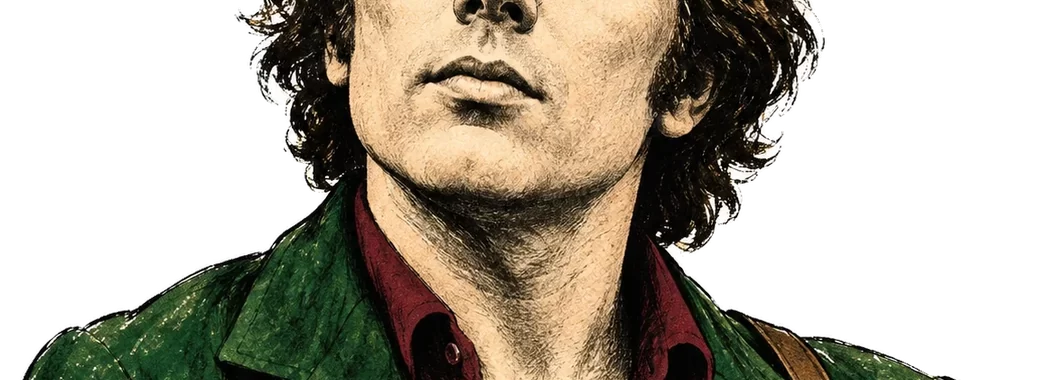
Album and edition information was checked against publisher documentation, discography and the research files. Personal listening statements refer to the linked videos. Illustrations are AI-generated editorial drawings, not historical photographs; edition covers remain unchanged. Michael operates the shop linked in this article.
- Programm und Bandquellen / Programme and tape sources
- Diskografie / Discography
- Bandgeschichte / Band history
- Katy Lied: Aufnahmegeschichte / Recording history
- Roger Nichols und Wendel
- Everything Must Go: Gespräch mit Becker und Fagen / Interview
- Can’t Buy a Thrill
- Countdown to Ecstasy
- Pretzel Logic
- Katy Lied
- The Royal Scam
- Aja
- Gaucho
- Two Against Nature
- Everything Must Go