After the breakthrough, a castle
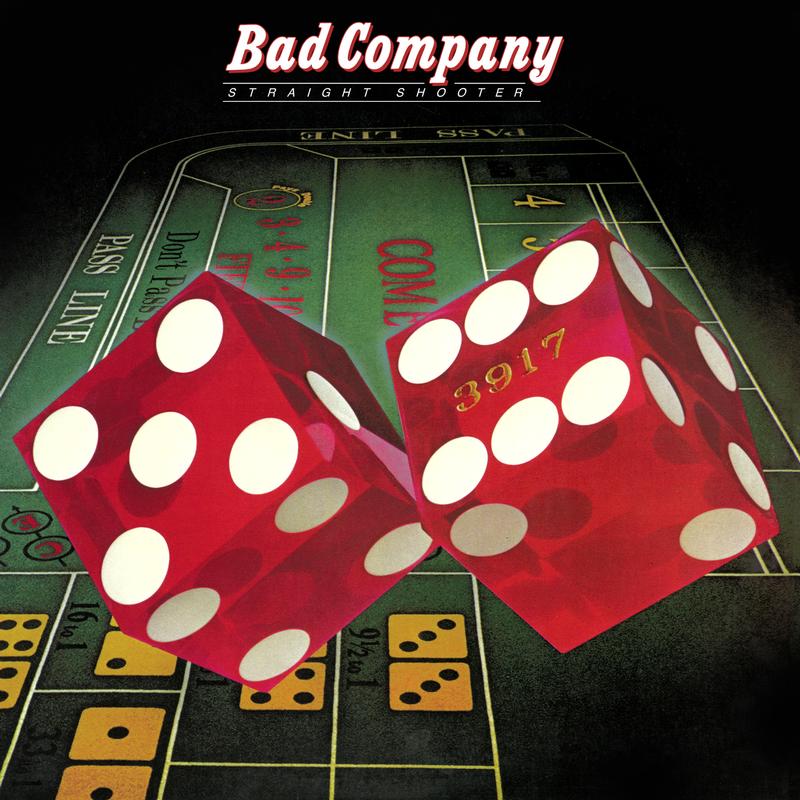
Bad Company recorded Straight Shooter at Clearwell Castle in September 1974. Their debut was only a few months old, and the band had come through a successful period of touring. Paul Rodgers and Simon Kirke brought their shared history in Free, Mick Ralphs his experience with Mott the Hoople, and Boz Burrell his years with King Crimson. Those backgrounds had developed into a group with its own identity, now producing its second album.
Ronnie Lane’s mobile studio brought the recording equipment to Gloucestershire. Ron Nevison handled recording and mixing, with the latter carried out at AIR Studios in London. Later accounts describe the musicians often working through the night. Songs developed together, although some of their starting points were older than Bad Company. That combination of a new working partnership and longer-held ideas helps define this 1975 album.

Finding the other half of a song
Rodgers traced the beginnings of “Feel Like Makin’ Love” to his time with Free. At Clearwell he played the existing idea to Ralphs, who supplied the crucial chorus contribution. The result combines two writers in a song shaped by the movement between a restrained verse and a forceful guitar entrance. It joins “Deal with the Preacher” and “Wild Fire Woman” among their shared compositions here.
Listen to how the transition in “Feel Like Makin’ Love” is prepared. Which instruments hold their positions, and which change their role? Ralphs also opens the album with his own “Good Lovin’ Gone Bad”. His contribution extends well beyond guitar solos to the construction of the programme itself. Moving between the songs reveals how differently the same four musicians can distribute their parts.

Stories beyond the big riff
“Shooting Star” is Rodgers’ extended account of a young musician’s rise and collapse. It became a radio fixture without being released as a single. Its effect depends on a development sustained over several minutes. Following the whole performance from its opening to its final section offers more than returning only to the familiar refrain.
Kirke contributes “Weep No More” and “Anna”. He had already recorded “Anna” on Kossoff Kirke Tetsu Rabbit in 1972; Bad Company gives it another setting. “Weep No More” adds strings, with Jimmy Horowitz involved. Those choices broaden the picture of a band often remembered mainly for its harder material. “Call on Me” closes the eight-song programme, giving Rodgers another substantial space as both singer and writer.
This hybrid stereo SACD
CAPA 037 SA contains the original eight tracks as an Atlantic 75 hybrid stereo SACD. Its CD layer supports playback on conventional CD players, while the SACD layer requires a compatible machine. No multichannel programme or bonus tracks are specified. The running order continues without the side changes of the vinyl edition, keeping the second half of the album immediately connected to the first.
Discogs and retailer Elusive Disc credit Ryan K. Smith at Sterling Sound for mastering. They describe the source as a quarter-inch copy of the original master tape, transferred to DSD. The publisher’s own SACD page does not provide those details, so they remain identified here as retailer and database information. The separately available double LP at 45 RPM is a different edition; its pressing plant, vinyl weight and gatefold packaging are not attributes of this disc.
You order from Michael 45 in Germany. We arrange the US import and dispatch from Hilden.
Also in another edition: Straight Shooter
More by Bad Company: “Bad Company” · Burnin’ Sky
Customer question: Buying Analogue Productions records in Europe
Musicians
Documented selection of participating musicians. Personnel may vary by track; this list does not claim to be complete.
| Name | Instrument / role |
|---|---|
| Paul Rodgers | Vocals, Guitar, Piano |
| Mick Ralphs | Keyboards, Guitar |
| Boz Burrell | Bass |
| Simon Kirke | Drums |

Reviews
There are no reviews yet.